IMWG Criteria | MRI Patterns | Bone Disease | Orthopaedic Management
- IMWG 2014 criteria: 2 or more focal lesions on MRI (5mm+) = symptomatic myeloma
- Pure lytic lesions - myeloma NEVER produces blastic/sclerotic response
- Radiosensitive tumour - radiation highly effective for local control
- Pathological fracture risk - vertebroplasty/kyphoplasty effective for pain
- Spinal cord compression - emergency requiring urgent decompression
- “CRAB criteria: Calcium elevated, Renal insufficiency, Anaemia, Bone lesions
- “MRI more sensitive than CT for detecting bone marrow infiltration
- “Whole-body low-dose CT has replaced skeletal survey
- “Myeloma is radiosensitive - responds well to radiation therapy
Overview and Epidemiology
Multiple myeloma is a plasma cell neoplasm: clonal proliferation of malignant plasma cells in the bone marrow, a monoclonal protein in the blood or urine, and end-organ damage that includes bone disease. It is the second most common haematological malignancy, after non-Hodgkin lymphoma, and accounts for approximately 10% of haematological cancers.
Who. The median age at diagnosis is 65-70 years. The male to female ratio is 1.4:1, and the incidence is two to three times higher in African Americans.
Where the bone disease is. Eighty per cent of patients have bone disease at diagnosis, and the spine is the most common site. The distribution, and what each site produces:
- Frequency
- 49%
- Clinical Significance
- Most common - compression fractures
- Frequency
- 35%
- Clinical Significance
- "Pepper pot" appearance
- Frequency
- 34%
- Clinical Significance
- May cause pathological fractures
- Frequency
- 33%
- Clinical Significance
- Pain, fracture risk
- Frequency
- 20%
- Clinical Significance
- Impending fracture concern
How myeloma destroys bone. Myeloma cells activate osteoclasts and suppress osteoblasts, through:
- RANKL upregulation
- DKK1 (Dickkopf-1), which inhibits Wnt signalling
- MIP-1alpha (macrophage inflammatory protein)
- IL-6, IL-1beta and TNF-alpha secretion
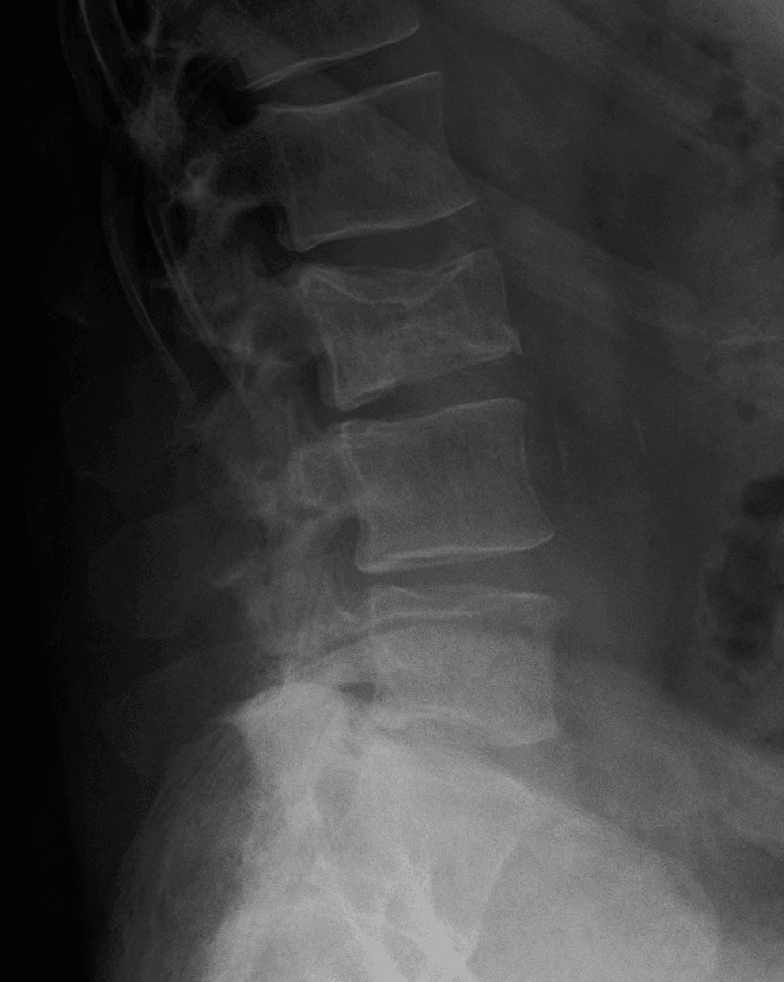
Why the lesions are purely lytic. Because DKK1 suppresses osteoblast activity, there is no bone-forming response: the lesions are the classic, pathognomonic "punched out" lucencies without a sclerotic rim, and a bone scan, which depends on osteoblastic uptake of the radioisotope, is often negative. This is why MRI and CT are preferred over bone scan for myeloma. Metastatic carcinoma, by contrast, may be lytic, blastic or mixed, and its bone scan is usually positive. Myeloma itself never produces a blastic or sclerotic response; when a plasma-cell bone lesion is sclerotic, the diagnosis to consider is POEMS syndrome, dealt with below.
Pathophysiology
Disease Spectrum
Plasma-cell disorders run from a precursor state that needs no treatment to active myeloma that does. The distinctions rest on the M-protein level, the proportion of clonal plasma cells in the marrow, and whether there is end-organ damage or a myeloma-defining event.
Monoclonal gammopathy of undetermined significance is the precursor condition, with a low risk of progression to myeloma of 1% per year. No treatment is required; the patient is observed. MRI is typically normal or shows minimal abnormality.
- M-protein under 3 g/dL
- Clonal plasma cells under 10% in marrow
- No CRAB features or myeloma-defining events
Bone Marrow Infiltration
The MRI pattern carries prognosis. How the marrow is infiltrated on MRI correlates with outcome. A diffuse pattern indicates high tumour burden and correlates with a higher ISS stage and worse survival; these patients often have more severe cytopenias and higher beta-2 microglobulin levels. A focal pattern indicates a better treatment response.
- Description
- No signal abnormality
- Prognosis
- Best
- Treatment Response
- N/A (MGUS/early)
- Description
- Discrete lesions, normal background
- Prognosis
- Good
- Treatment Response
- Generally favourable
- Description
- Homogeneous marrow replacement
- Prognosis
- Worst
- Treatment Response
- Higher tumour burden
- Description
- Focal + diffuse changes
- Prognosis
- Intermediate
- Treatment Response
- Variable
- Description
- Salt-and-pepper heterogeneous
- Prognosis
- Variable
- Treatment Response
- Depends on extent
Classification and Staging
IMWG Diagnostic Criteria (2014)
The required criterion. Diagnosis requires clonal bone marrow plasma cells of 10% or more, or a biopsy-proven plasmacytoma. That alone is not enough: it must be joined by evidence that the disease is damaging an organ, or by a biomarker that predicts it will.
CRAB: end-organ damage. Any one of these, with the clonal plasma cells, defines symptomatic myeloma and the need for treatment:
- Calcium elevated: serum calcium over 11 mg/dL, or 0.25 mmol/L above the upper limit of normal
- Renal insufficiency: creatinine over 2 mg/dL, or creatinine clearance under 40 mL/min
- Anaemia: haemoglobin under 10 g/dL, or more than 2 g/dL below normal
- Bone lesions: one or more osteolytic lesions on imaging
SLiM: the biomarkers added in 2014. Any one of these makes the diagnosis without CRAB, so that treatment can start before end-organ damage:
- Sixty: clonal bone marrow plasma cells of 60% or more
- Light chains: involved to uninvolved serum free light chain ratio of 100 or more
- MRI: two or more focal lesions, each 5 mm or larger
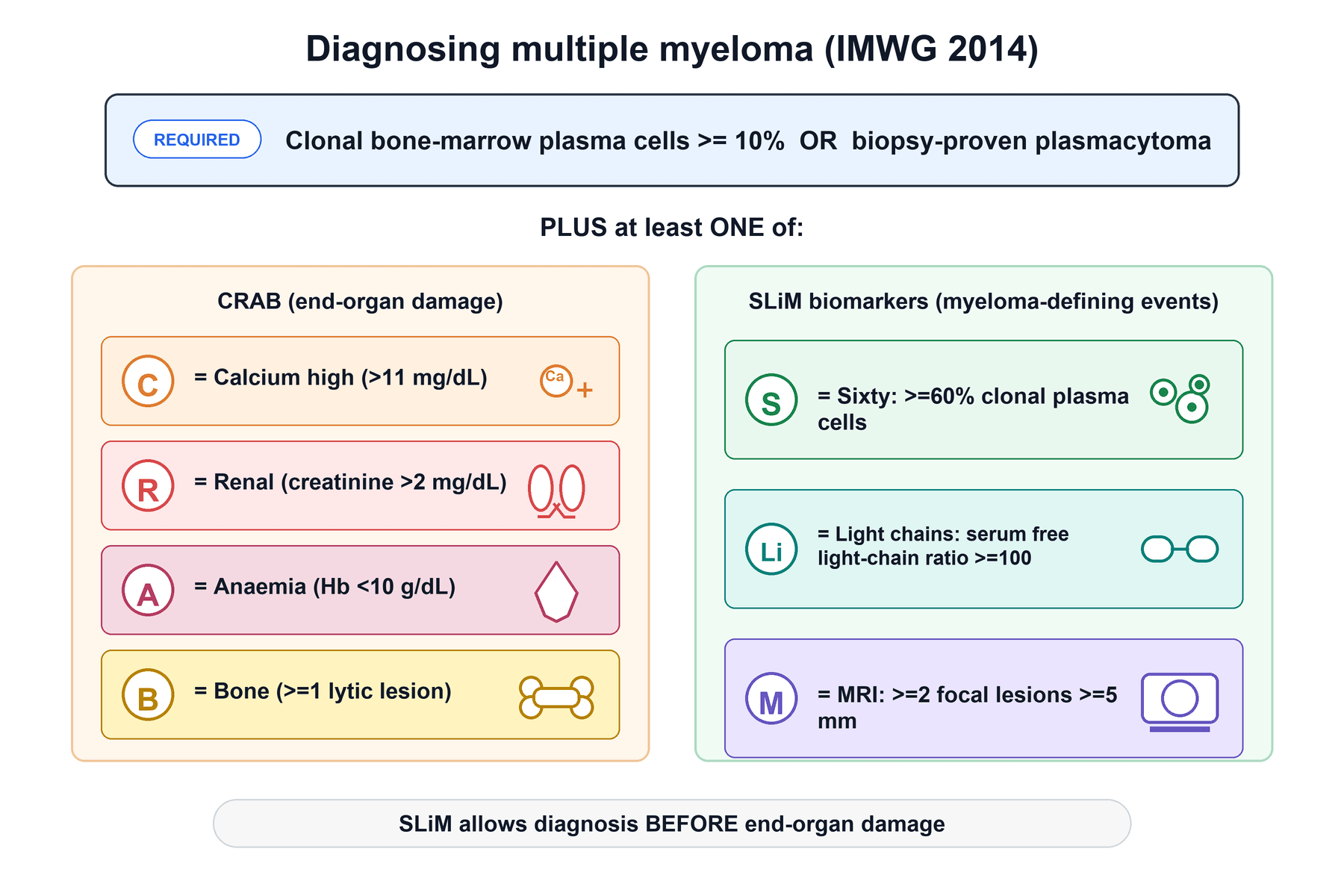
A single focal lesion on MRI does NOT meet IMWG criteria for myeloma diagnosis. However, it should prompt further investigation with CT (one lytic lesion on CT IS diagnostic) or biopsy.
Staging
International Staging System (ISS). Two readily available serum markers: beta-2 microglobulin reflects tumour burden, and albumin reflects performance status.
- Criteria
- Beta-2 microglobulin under 3.5 mg/L AND Albumin 3.5 g/dL or more
- Median Survival
- 62 months
- Criteria
- Neither I nor III
- Median Survival
- 44 months
- Criteria
- Beta-2 microglobulin 5.5 mg/L or more
- Median Survival
- 29 months
Revised ISS (R-ISS). Incorporates cytogenetics and LDH, and provides better prognostication than ISS alone. High-risk cytogenetics are del(17p), t(4;14) and t(14;16).
- Definition
- ISS I + standard-risk cytogenetics + normal LDH
- Definition
- Neither I nor III
- Definition
- ISS III + high-risk cytogenetics OR elevated LDH
POEMS Syndrome (Osteosclerotic Myeloma)
A sclerotic, rather than lytic, plasma-cell bone lesion should prompt thought of POEMS syndrome. POEMS (Polyneuropathy, Organomegaly, Endocrinopathy, Monoclonal protein, Skin changes), also called osteosclerotic myeloma or Crow-Fukase syndrome, is a rare paraneoplastic syndrome driven by an underlying plasma-cell disorder, and it is the classic exception to the "myeloma is always lytic" rule. The neuropathy, not the bone disease, usually dominates the clinical picture.
- POEMS Syndrome
- OSTEOSCLEROTIC or mixed sclerotic-lytic
- Multiple Myeloma
- Pure lytic ('punched out'), never blastic
- POEMS Syndrome
- Chronic progressive peripheral polyneuropathy
- Multiple Myeloma
- Bone pain and CRAB end-organ damage
- POEMS Syndrome
- Almost always lambda-restricted
- Multiple Myeloma
- Kappa or lambda
- POEMS Syndrome
- Usually low (often under 10%)
- Multiple Myeloma
- 10% or more, or biopsy-proven plasmacytoma
- POEMS Syndrome
- Elevated VEGF
- Multiple Myeloma
- M-protein, serum free light chains, beta-2 microglobulin
- POEMS Syndrome
- Organomegaly, endocrinopathy, skin changes, Castleman disease
- Multiple Myeloma
- Hypercalcaemia, renal failure, anaemia
Diagnosis requires the two mandatory criteria - a peripheral neuropathy plus a monoclonal plasma-cell disorder - together with at least one major criterion (osteosclerotic bone lesions, Castleman disease, or an elevated VEGF). A solitary or limited osteosclerotic lesion is treated with radiotherapy, whereas disseminated disease needs systemic anti-plasma-cell therapy.
Clinical Presentation
Bone pain. The most common symptom, present in 70% at presentation, and often back pain from vertebral involvement. It is worse with movement and may improve at rest. Pathological fractures are common.
Systemic symptoms. Fatigue from anaemia, weight loss, recurrent infections from immunoparesis and, rarely, symptoms of hyperviscosity.
Vertebral compression fractures. Present in 55-70% at diagnosis and may be the presenting feature. Multiple levels are common, and the thoracolumbar junction is the most common site.
Spinal cord compression. An emergency presentation, in 5-10% of myeloma patients, usually from vertebral collapse and less commonly from extraosseous extension. It requires urgent assessment and treatment; because the tumour is radiosensitive the prognosis is good if it is treated promptly (see Management).
Radiculopathy. From neural foraminal narrowing or extraosseous tumour extension, and it may present before the diagnosis has been made.
Red flags. The features that should raise myeloma:
- Age over 50 with new back pain
- Pathological fracture (minimal trauma)
- Anaemia, renal insufficiency
- Hypercalcaemia
- Elevated ESR/plasma viscosity
- Recurrent infections
Differential Diagnosis of a Lytic/Destructive Vertebral Lesion
- Discriminating features
- Pure lytic, often bone scan negative, M-protein and free light chains, CRAB; very high MRI sensitivity for marrow infiltration; highly radiosensitive
- Key investigation
- SPEP/UPEP, serum free light chains, marrow biopsy
- Discriminating features
- Lytic, blastic or mixed; bone scan usually positive; known primary (breast, prostate, lung, kidney, thyroid); MRI sensitivity high for lytic lesions; radiosensitivity variable by histology
- Key investigation
- CT chest/abdo/pelvis, tumour markers (PSA, CEA), biopsy
- Discriminating features
- Single lesion, less than 10% marrow plasma cells, no CRAB
- Key investigation
- Whole-body MRI/PET, marrow biopsy
- Discriminating features
- Permeative pattern, large soft-tissue mass relative to bone destruction
- Key investigation
- Biopsy with immunohistochemistry
- Discriminating features
- No marrow replacement on MRI, benign fluid sign, retropulsion uncommon
- Key investigation
- MRI (fat-suppressed), DEXA
- Discriminating features
- Disc involvement and endplate destruction, raised CRP, systemic sepsis
- Key investigation
- MRI with contrast, CT-guided biopsy and culture
The discriminators. Myeloma and metastasis characteristically spare the intervertebral disc, whereas infection crosses the disc space and destroys the adjacent endplates. Marrow replacement on T1 MRI distinguishes a malignant collapse from a benign osteoporotic fracture.
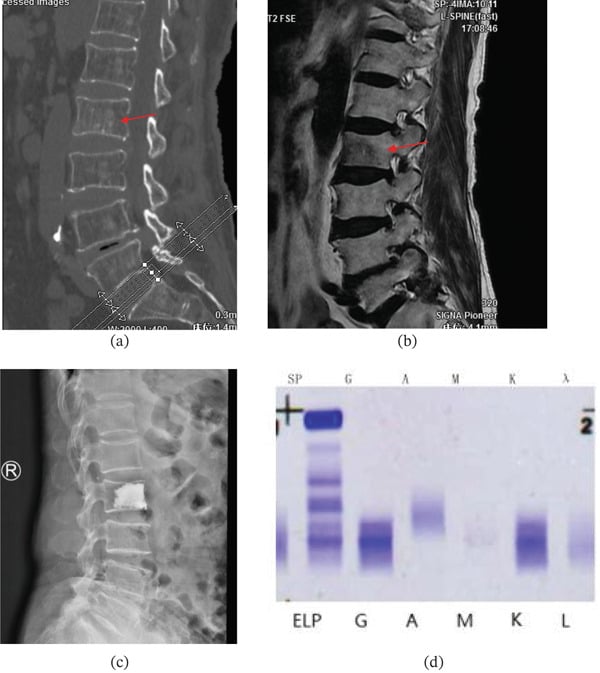
Investigations
Laboratory Studies
The screening panel. The routine bloods:
- FBC (anaemia, rouleaux formation)
- Renal function, electrolytes
- Calcium (hypercalcaemia)
- Total protein, albumin (AG ratio)
- LDH, beta-2 microglobulin
The myeloma-specific tests. The tests that find and type the M-protein:
- Serum protein electrophoresis (SPEP) - M-spike
- Urine protein electrophoresis (UPEP) - Bence-Jones protein
- Serum free light chains (kappa/lambda ratio)
- Immunofixation (identifies M-protein type)
Bone marrow. Aspirate and trephine biopsy give the plasma cell percentage that the diagnosis rests on, and cytogenetics/FISH for the prognostic markers that feed the R-ISS.
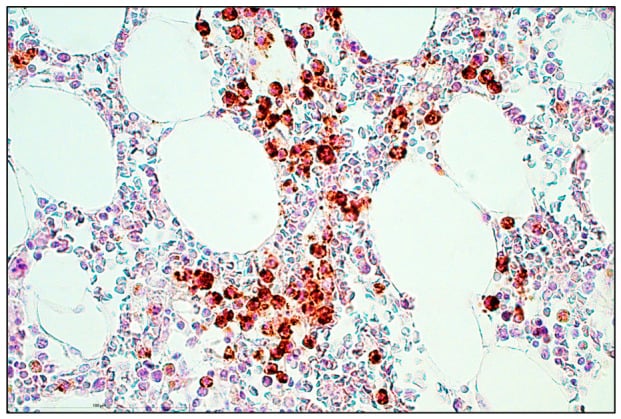
Imaging
Whole-body low-dose CT (WBLDCT). The first-line imaging for initial staging per the IMWG 2019 consensus, having replaced the skeletal survey: it has higher sensitivity than the conventional skeletal survey for osteolytic disease, detects rib and pelvic lesions better, and can assess fracture risk. One lytic lesion of 5 mm or larger on CT is itself a diagnostic criterion. The findings are punched-out lytic lesions with no sclerotic rim (unlike metastases), pathological fractures and osteopenia.
Whole-body MRI (WBMRI). The most sensitive test for bone marrow infiltration: it detects marrow involvement before any lysis has occurred, and two or more focal lesions is a myeloma-defining event. It is superior for assessing cord compression, and it is mandatory when the WBLDCT is negative but myeloma is still suspected. The infiltration patterns (focal, diffuse, mixed, variegated, normal) are described under Pathophysiology.
- T1-weighted: low signal (marrow replacement)
- T2-weighted/STIR: high signal (cellular infiltration)
- DWI: high signal (diffusion restriction)
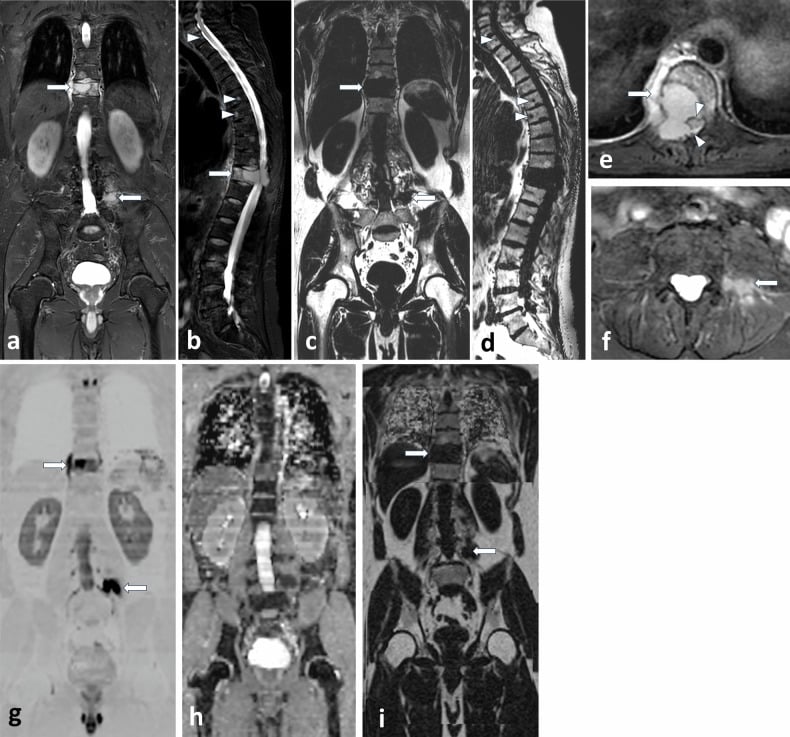
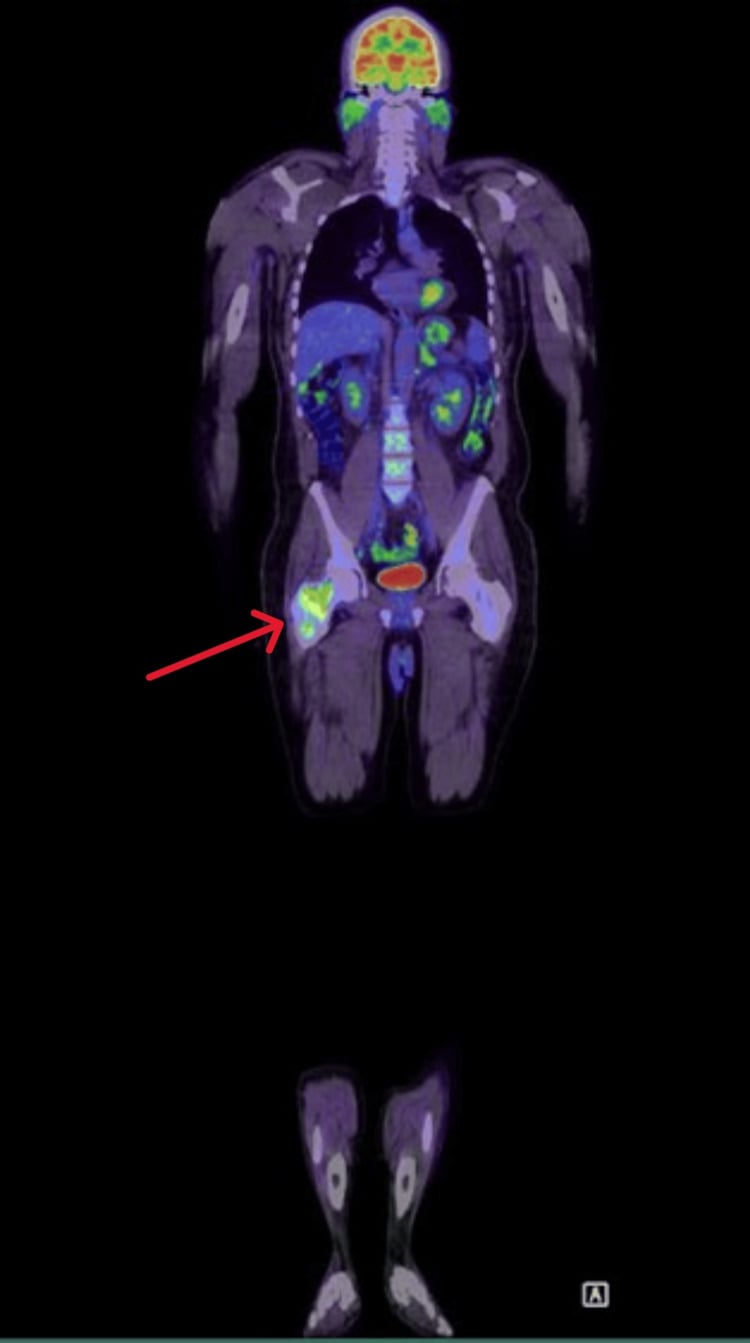
FDG-PET/CT. Complements MRI for comprehensive staging and is useful for specific indications:
- Assessment of extramedullary disease
- Treatment response monitoring
- Detection of minimal residual disease
- Oligo-secretory or non-secretory myeloma
Its advantages are the assessment of metabolic activity, whole-body coverage and prognostic value (the number of focal lesions). Its limitations are false negatives in low-grade disease and the radiation exposure.
Skeletal survey. The traditional study, now replaced by WBLDCT and no longer recommended as first-line imaging: its sensitivity is lower than cross-sectional imaging because a lesion needs 30-50% bone loss before it shows. It is still useful if CT and MRI are unavailable. The classic findings are punched-out lesions with no sclerotic rim, the "pepper pot skull", pathological fractures and generalised osteopenia.
Management
Systemic Treatment
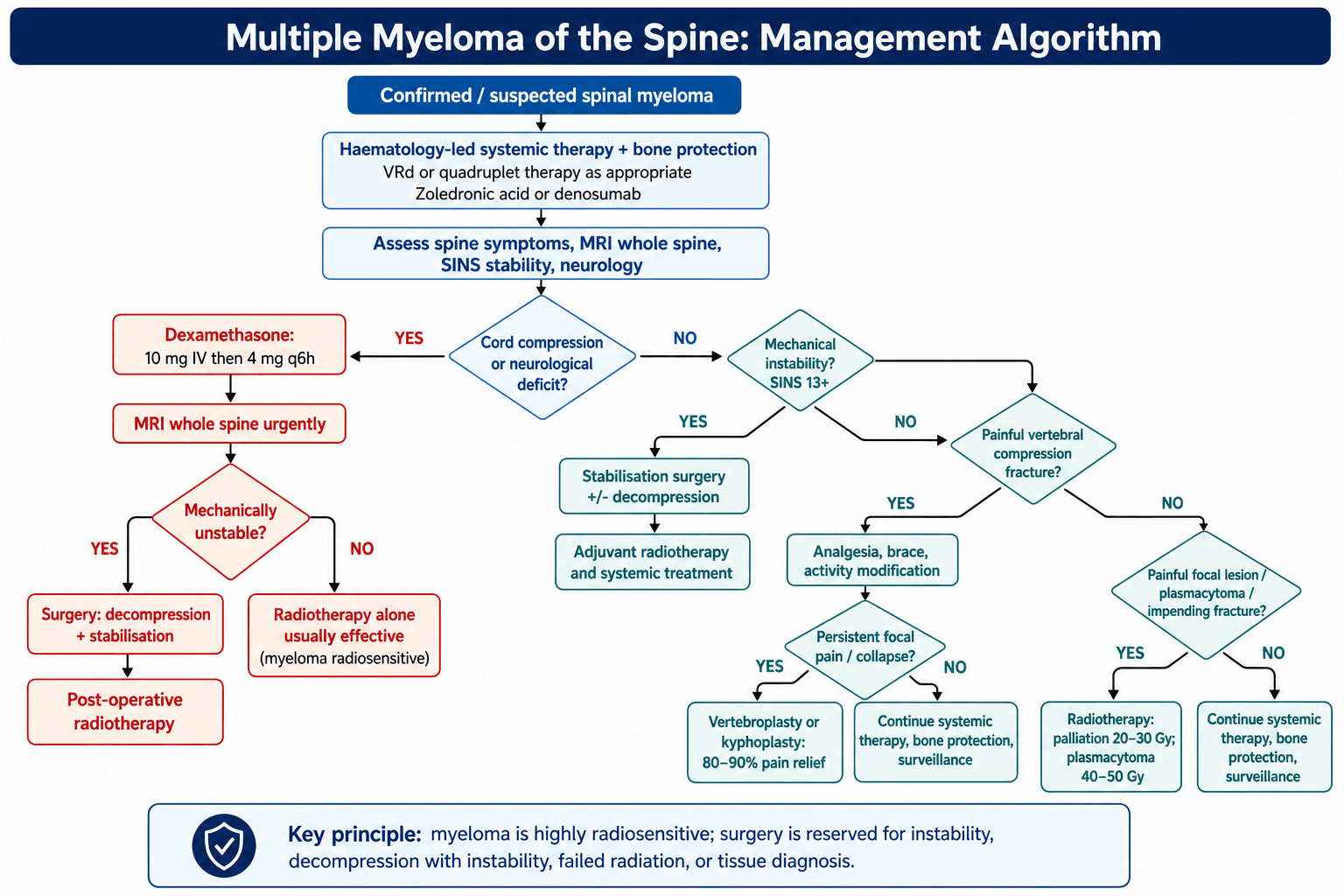
First-line therapy belongs to haematology, but the surgeon should understand it. Induction is a triplet, VRd (bortezomib, lenalidomide, dexamethasone), or a quadruplet that adds daratumumab for fit patients, followed by autologous stem cell transplant for eligible patients under 70.
Bone-targeted therapy is monthly zoledronic acid, with denosumab as the alternative if there is renal impairment. It reduces skeletal events by 40%.
Orthopaedic Management
Most patients are managed non-operatively. Analgesia by the WHO ladder, bracing for vertebral fractures, activity modification and physiotherapy.
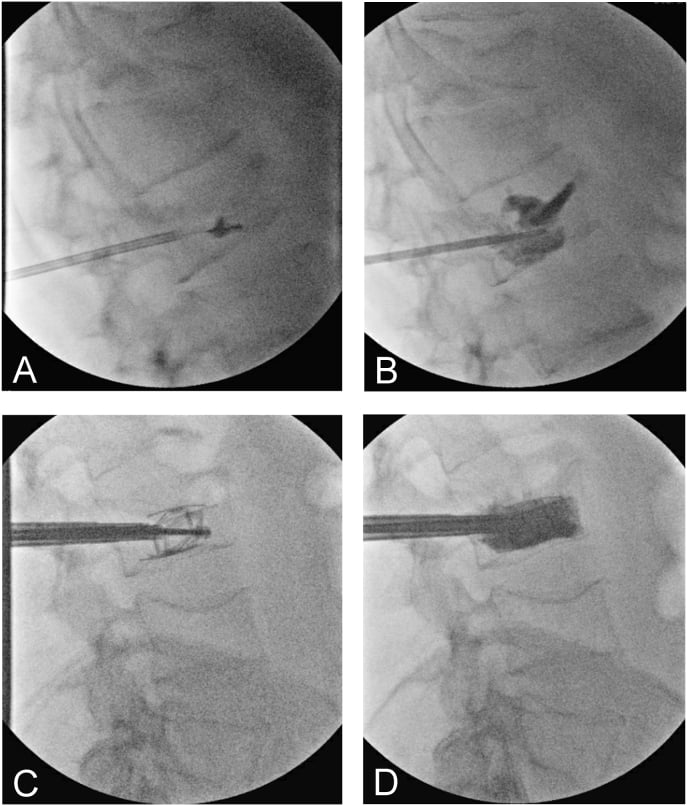
Vertebral augmentation. Kyphoplasty or vertebroplasty is first-line for painful compression fractures and highly effective, with 80-90% pain relief. It can be done under local anaesthesia, multiple levels can be treated in a single session, and it is a good option for pathological compression fractures.
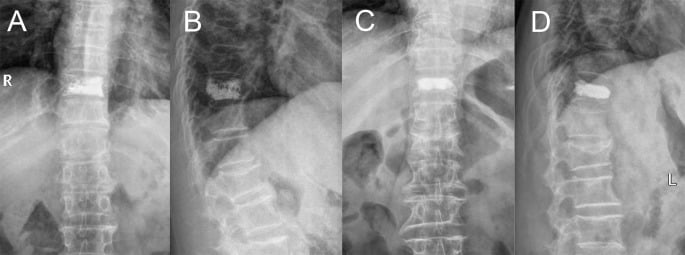
Radiotherapy. Myeloma is highly radiosensitive, and radiation is first-line for local control: local control in 80-90%, pain relief in 70-80%, at lower doses than are effective for carcinoma. The indications are:
- Painful bone lesions
- Impending pathological fracture
- Spinal cord compression
- Solitary plasmacytoma (curative intent)
The typical doses are conventional practice rather than guideline. The IMWG Bone Working Group recommends radiotherapy for uncontrolled pain, impending or symptomatic cord compression and pathological fracture, but does not specify a dose:
- Palliation: 20-30 Gy in 5-10 fractions
- Plasmacytoma: 40-50 Gy for cure
Surgery. Reserved for specific scenarios:
- Mechanical instability (SINS 13+)
- Spinal cord compression with instability
- Failed radiation (rare in myeloma)
- Tissue diagnosis if needed
- Impending long bone fracture (Mirels 9+)
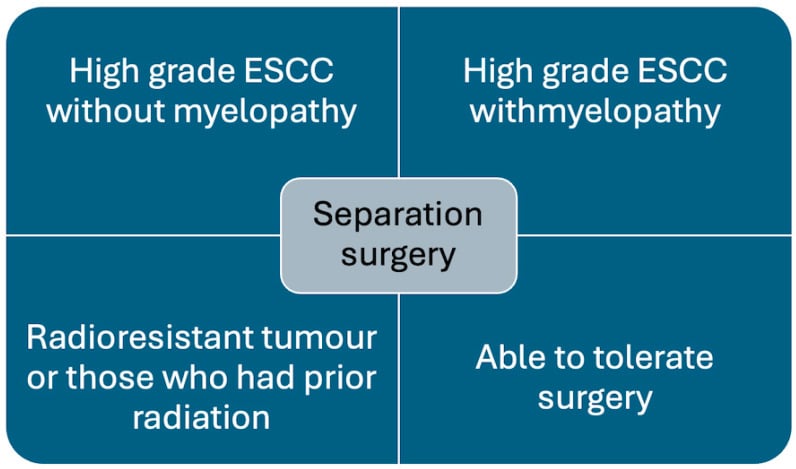
The IMWG Bone Working Group states the spinal indication narrowly: vertebral column instability, or cord compression caused by bone fragments in the canal rather than by soft tumour, which in a radiosensitive disease will often answer to radiotherapy alone. SINS grades the stability question: 0-6 stable, 7-12 potentially unstable and warranting surgical consultation, 13-18 unstable.
The principles are posterior decompression and stabilisation, cement augmentation of the screws, minimal blood loss in a marrow disease, and coordination with haematology. Radiation is usually given post-operatively and gives excellent local control; surgery plus radiation provides definitive local control.
Spinal Cord Compression
An oncological emergency with a better outlook than carcinoma. Unlike metastatic carcinoma, myeloma cord compression has an excellent prognosis if treated promptly, because the tumour is highly radiosensitive. Surgery is not automatically required, as it is in radioresistant tumours: if the spine is mechanically stable, radiation alone is often sufficient.
- Dexamethasone 10mg IV bolus then 4mg q6h
- MRI of the whole spine (skip lesions are common)
- Assess for surgery: mechanically unstable (SINS 13+) means surgery plus radiation; stable (SINS under 7) means radiation alone is effective
- Radiation, which is highly effective
Outcomes. Over 90% of ambulatory patients maintain ambulation, and 50-70% of non-ambulatory patients recover it, which is better than carcinoma.
Complications
Skeletal. Vertebral compression fractures are the dominant skeletal complication (their frequency is given under Clinical Presentation); long bone fractures are less common, and rib fractures occur. Hypercalcaemia, from osteoclast activation, is present in 25-30% at diagnosis and is a medical emergency if severe.
Bisphosphonate therapy. The complications of bone-targeted treatment:
- Osteonecrosis of the jaw (ONJ) - 1-10%
- Renal toxicity (especially zoledronic acid)
- Atypical femoral fractures (rare)
Surgery. The surgical complications and their causes:
- Wound healing issues (immunosuppression)
- Hardware failure (poor bone quality)
- Infection risk (hypogammaglobulinaemia)
Extramedullary disease. Occurs in 10-20% during the disease course, has more aggressive biology, and requires a modified treatment approach.
AL (Light-Chain) Amyloidosis
Amyloidosis is listed among the events that define active disease and trigger treatment, but it is worth developing because the orthopaedic surgeon may be the first to encounter it. AL (primary, light-chain) amyloidosis is a plasma-cell dyscrasia in which misfolded monoclonal immunoglobulin light chains form amyloid fibrils that deposit in tissues; it can occur alone or alongside multiple myeloma. Treatment targets the underlying clone (bortezomib- or daratumumab-based) to switch off light-chain production, plus organ-supportive care.
- Detail
- Misfolded monoclonal light chains (usually lambda) form beta-pleated-sheet amyloid fibrils depositing in organs
- Exam Relevance
- A plasma-cell dyscrasia; a minority of myeloma patients (around 10-15%) have concurrent AL
- Detail
- Cardiac (restrictive cardiomyopathy), renal (nephrotic-range proteinuria), hepatic, autonomic and peripheral neuropathy, GI
- Exam Relevance
- Cardiac involvement dominates prognosis
- Detail
- Bilateral carpal tunnel syndrome (often the presenting feature), 'shoulder pad sign', amyloid arthropathy, soft-tissue and periarticular deposits, macroglossia
- Exam Relevance
- The orthopaedic/hand surgeon may see it first
- Detail
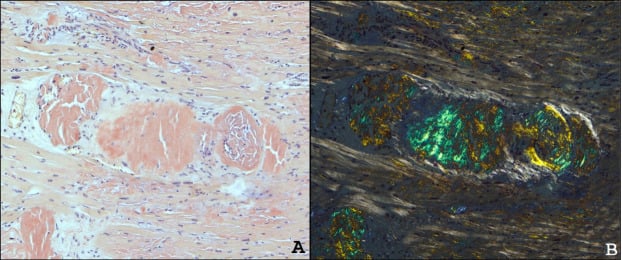
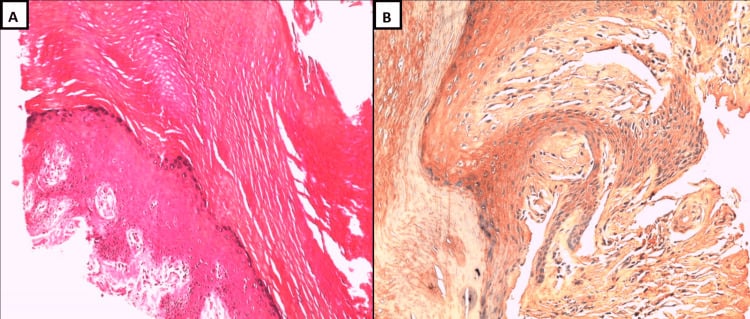
- Tissue biopsy with Congo red stain showing apple-green birefringence under polarised light; abdominal fat-pad aspirate; fibril typing by mass spectrometry
- Exam Relevance
- Congo red plus apple-green birefringence is the classic answer
- Detail
- AL = light-chain amyloid in a plasma-cell dyscrasia; dialysis-related amyloid = beta-2 microglobulin in long-term dialysis
- Exam Relevance
- Different protein and different clinical setting
In a patient with a plasma-cell disorder, bilateral carpal tunnel syndrome, unexplained restrictive cardiomyopathy or nephrotic-range proteinuria, macroglossia or a 'shoulder pad sign' should raise AL amyloidosis.
Guidelines, Registries & Global Practice
Global Epidemiology
Multiple myeloma accounts for roughly 1% of all cancers and about 10% of haematological malignancies, with an age-standardised incidence of approximately 2 per 100,000 worldwide and a marked rise in absolute case numbers driven by ageing populations. Incidence is two- to threefold higher in people of African ancestry than in white populations and lower in East Asian populations, a disparity that persists after adjustment for access to care. The spine is the most common site of skeletal involvement, so the orthopaedic and spinal surgeon is frequently the first clinician to encounter undiagnosed disease through a pathological vertebral fracture.
Major Guidelines, Side by Side
- Position
- SLiM-CRAB diagnostic criteria; WBLDCT first-line imaging, whole-body MRI most sensitive; bone-targeted agent for all patients on therapy
- Evidence basis
- Consensus statements (Rajkumar 2014; Hillengass 2019; Terpos 2021)
- Position
- Offer whole-body MRI first-line for suspected myeloma (CT if MRI unsuitable); zoledronic acid as preferred bone-protective agent; consider cement augmentation for non-responsive pain
- Evidence basis
- Guideline, GRADE-appraised
- Position
- Treat suspected MSCC as an emergency; MRI whole spine within 24 hours; definitive treatment within 24 hours of diagnosis
- Evidence basis
- Guideline / national standard
- Position
- R-ISS staging; triplet/quadruplet induction; bisphosphonate or denosumab for bone disease; radiotherapy for cord compression or uncontrolled pain
- Evidence basis
- Category 1-2A consensus
- Position
- SINS for instability assessment; separation surgery plus radiotherapy for radioresistant compression; myeloma usually radiosensitive so radiotherapy alone often sufficient if stable
- Evidence basis
- Expert consensus
A key cross-guideline point of agreement, and a frequent exam discriminator, is that myeloma is radiosensitive: unlike most solid-tumour metastatic spinal cord compression (where decompressive surgery before radiotherapy improves ambulation, per Patchell), a mechanically stable myeloma cord compression can often be treated with radiotherapy alone.
Registry and Real-World Evidence
Myeloma bone disease is tracked less by arthroplasty-style implant registries than by national cancer and trials networks. Examples include the SEER programme (US), the Haematological Malignancy Research Network (UK), and the Myeloma and Related Diseases Registry (MRDR), which includes Australian and New Zealand cohorts. These provide population-level survival and practice-pattern data, consistently showing improving median survival (now exceeding 5-6 years in transplant-eligible patients) following the introduction of proteasome inhibitors, immunomodulatory drugs and anti-CD38 antibodies, while also documenting persistent under-use of bone-protective therapy and variation in time-to-diagnosis.
Practice Variation
In high-resource settings whole-body MRI or PET/CT and quadruplet induction with autologous transplant are standard. In limited-resource settings skeletal survey and plain radiography remain in use, and access to novel agents, denosumab and timely radiotherapy is restricted, so vertebral augmentation and conventional fractionated radiotherapy carry proportionally greater importance. The orthopaedic priorities, structural stabilisation, pain control and preservation of neurological function, are universal even where systemic options differ.
MCQ Practice Points
Q: What is the SINS score and its role in myeloma spine management?
A: Spinal Instability Neoplastic Score (SINS): Evaluates tumor-related spinal instability. Components: Location, pain, bone quality, radiographic alignment, vertebral body collapse, posterolateral involvement. Score 0-6: Stable. 7-12: Potentially unstable (surgical consultation). 13-18: Unstable (surgical stabilization indicated).
Q: What are the indications for surgical intervention in spinal myeloma?
A: Neurological deficit from cord compression, spinal instability (SINS greater than 12), intractable pain unresponsive to radiation/chemotherapy, pathological fracture with deformity, need for tissue diagnosis when uncertain. Surgery typically combined with radiation and systemic chemotherapy. Goal is palliation and function preservation.
Q: What is the role of vertebroplasty/kyphoplasty in spinal myeloma?
A: Percutaneous cement augmentation provides pain relief and mechanical stability for compression fractures without cord compression. Can be performed under local anesthesia in frail patients. Contraindicated if: posterior wall breach with epidural extension, neurological deficit, coagulopathy. May be combined with radiation.
Q: Why do myeloma lesions not appear on bone scan?
A: Myeloma cells secrete osteoclast-activating factors (RANKL, IL-6) causing pure bone resorption while suppressing osteoblast activity (via DKK1). Bone scan relies on osteoblastic activity for tracer uptake. No osteoblast response = no bone scan uptake. Use skeletal survey, whole-body low-dose CT, or MRI for myeloma staging.
Q: What is the typical surgical approach for myeloma cord compression?
A: Posterior decompression and stabilization most common - allows access to most vertebral levels, provides immediate stability. Circumferential approach (anterior + posterior) for significant anterior compression or vertebral body destruction. Separation surgery concept: Decompression to create space, then radiation for tumor control.
Clinical Decision Scenarios
Practise clinical reasoning and management decisions out loud
“A 68-year-old man presents with 3 months of progressive thoracic back pain. Blood tests show Hb 9.5, creatinine 1.8, calcium 2.8 mmol/L. SPEP shows M-protein 45 g/L. MRI shows multiple T1-hypointense vertebral lesions.”
“A 72-year-old woman with known myeloma presents with 48-hour history of progressive leg weakness. Examination shows 3/5 bilateral LE power. MRI shows T8 vertebral collapse with Bilsky grade 2 epidural compression.”
“A 65-year-old woman with myeloma in remission presents with severe L1 and L3 compression fractures (50% and 40% collapse). SINS 7. She has severe mechanical pain limiting mobility.”
“A 55-year-old man presents with a single T12 lytic lesion. Biopsy confirms plasmacytoma. Bone marrow shows 5% plasma cells. SPEP shows small M-protein 8 g/L. No CRAB features. Whole-body imaging shows no other lesions.”
CRAB Criteria
- C: Calcium over 11 mg/dL
- R: Renal - Creatinine over 2 mg/dL
- A: Anemia - Hb under 10 g/dL
- B: Bone - 1 or more lytic lesions
- Any CRAB + clonal plasma cells = symptomatic myeloma
SLiM Biomarkers (IMWG 2014)
- S: Sixty percent or more plasma cells in marrow
- Li: Light chain ratio 100 or more
- M: MRI - 2 or more focal lesions (5mm+)
- Any SLiM = myeloma WITHOUT needing CRAB
Key Imaging Points
- WBLDCT replaced skeletal survey (first-line)
- MRI most sensitive for marrow infiltration
- 2 or more MRI lesions = diagnostic criterion
- Bone scan often NEGATIVE (no blastic response)
- Pure LYTIC - never blastic in myeloma
MRI Patterns
- Focal: Best prognosis, discrete lesions
- Diffuse: Worst prognosis, homogeneous replacement
- Mixed: Focal + diffuse
- Variegated: Salt-and-pepper heterogeneous
- Normal: MGUS or early disease
Treatment Pearls
- Myeloma is RADIOSENSITIVE - radiation very effective
- Vertebroplasty/kyphoplasty for painful fractures
- Surgery only if unstable (SINS 13+) or failed RT
- Cord compression: If stable = RT alone effective
- Bisphosphonates reduce skeletal events by 40%
vs Metastatic Carcinoma
- Myeloma: Pure lytic, radiosensitive, bone scan negative
- Carcinoma: May be blastic/mixed, variable sensitivity
- Myeloma cord compression: RT alone often sufficient
- Carcinoma cord compression: Usually needs surgery
Evidence Base
IMWG 2014 Updated Diagnostic Criteria (SLiM-CRAB)
- Added validated SLiM biomarkers to the existing CRAB definition
- 2 or more focal lesions on MRI (each 5mm+) = myeloma-defining event
- Clonal bone marrow plasma cells 60% or more = myeloma-defining
- Involved/uninvolved serum free light chain ratio 100 or more = myeloma-defining
Revised International Staging System (R-ISS)
- Pooled analysis of 4,445 newly diagnosed patients from 11 international trials
- Combines ISS with high-risk cytogenetics (del(17p), t(4;14), t(14;16)) and LDH
- 5-year overall survival: R-ISS I 82%, R-ISS II 62%, R-ISS III 40%
- 5-year progression-free survival: 55%, 36% and 24% respectively
IMWG Consensus on Imaging in Plasma Cell Disorders
- Low-dose whole-body CT has higher sensitivity than conventional skeletal survey for bone disease
- WBLDCT recommended as the standard first-line imaging for newly diagnosed disease
- Whole-body MRI is the most sensitive modality for marrow infiltration and cord compression
- PET/CT preferred for treatment response and minimal residual disease assessment
Vertebroplasty/Augmentation in Spinal Malignancy
- Systematic review of 30 studies and 987 patients with metastases or myeloma, aged 45 to 72
- Pain reduction ranged from 47% to 87%, comparable with osteoporotic augmentation
- FIVE DEATHS were attributable to vertebroplasty, with a further 19 patients suffering a serious procedure-related complication - an apparent serious complication rate of about 2%
- No correlation between pain reduction and cement volume, although the complication rate may relate to higher cement volumes
- Only ONE of the 30 included studies was a randomised controlled trial; the authors conclude there is a paucity of good-quality robust data
MRI Marrow Infiltration Pattern and Prognosis
- 228 newly diagnosed symptomatic patients (41% diffuse, 41% focal, 15% normal pattern)
- Diffuse MRI pattern associated with high-risk cytogenetics (50% vs 31%) and poorer survival
- Diffuse pattern + ISS-3 + high-risk cytogenetics defined a very poor group (median OS 21 months)
- Diffuse-pattern patients benefited more from novel agents than conventional chemotherapy
IMWG Bone Working Group: Bone Disease Management
- GRADE-based update from the IMWG Bone Working Group. Zoledronic acid is the PREFERRED bone-targeted agent in newly diagnosed myeloma, with or without bone disease.
- DURATION guidance, which most sources omit: once a very good partial response or better is achieved after at least 12 months of monthly zoledronic acid, the treating physician can consider reducing the frequency or stopping.
- Denosumab can also be considered, particularly in renal impairment, and MIGHT prolong progression-free survival in newly diagnosed patients with bone disease who are eligible for autologous stem-cell transplantation.
- Denosumab discontinuation is challenging because of the REBOUND effect.
- Cement augmentation is effective for painful vertebral compression fractures. Radiotherapy is recommended for uncontrolled pain, impeding or symptomatic cord compression, or pathological fracture.
- Surgery is for prevention and restoration of long-bone pathological fracture, vertebral column INSTABILITY, and cord compression with bone fragments in the spinal canal.
References
- Rajkumar SV, Dimopoulos MA, Palumbo A, et al. International Myeloma Working Group updated criteria for the diagnosis of multiple myeloma. Lancet Oncol. 2014;15(12):e538-48. PMID: 25439696. doi:10.1016/S1470-2045(14)70442-5
- Hillengass J, Usmani S, Rajkumar SV, et al. International Myeloma Working Group consensus recommendations on imaging in monoclonal plasma cell disorders. Lancet Oncol. 2019;20(6):e302-e312. PMID: 31162104. doi:10.1016/S1470-2045(19)30309-2
- Palumbo A, Avet-Loiseau H, Oliva S, et al. Revised International Staging System for Multiple Myeloma: A Report From International Myeloma Working Group. J Clin Oncol. 2015;33(26):2863-9. PMID: 26240224. doi:10.1200/JCO.2015.61.2267
- Moulopoulos LA, Dimopoulos MA, Kastritis E, et al. Diffuse pattern of bone marrow involvement on magnetic resonance imaging is associated with high risk cytogenetics and poor outcome in newly diagnosed, symptomatic patients with multiple myeloma. Am J Hematol. 2012;87(9):861-4. PMID: 22641455. doi:10.1002/ajh.23258
- Chew C, Craig L, Edwards R, Moss J, O'Dwyer PJ. Safety and efficacy of percutaneous vertebroplasty in malignancy: a systematic review. Clin Radiol. 2011;66(1):63-72. PMID: 21147301. doi:10.1016/j.crad.2010.09.011 (print 2011; electronic 16 Nov 2010 - an earlier version of this list and the matching evidence card gave the e-pub year)
- Terpos E, Zamagni E, Lentzsch S, et al. Treatment of multiple myeloma-related bone disease: recommendations from the Bone Working Group of the International Myeloma Working Group. Lancet Oncol. 2021;22(3):e119-e130. PMID: 33545067. doi:10.1016/S1470-2045(20)30559-3