Nerve Sheath Tumors of the Spine
Overview
Nerve sheath tumours make up 25-30% of all intradural spinal tumours. They arise either from Schwann cells, as schwannomas (70-80%), or from nerve sheath fibroblasts, as neurofibromas (20-30%). Both are benign, and both present with radicular pain and progressive myelopathy.
The distinction that drives surgery. A schwannoma is typically solitary, encapsulated and eccentric to its nerve root, and is amenable to complete resection with the nerve preserved. A neurofibroma is more infiltrative, involves the nerve fascicles, often requires sacrifice of the nerve, and is associated with neurofibromatosis type 1 (NF1).
Recognition. Radicular pain is the initial symptom in 80-90% of cases. MRI shows an intradural extramedullary mass that enhances with contrast, the CSF protein is raised, and 15-30% have a dumbbell configuration, with intraspinal and paraspinal components.
The diagnostic pathway.
- MRI of the whole spine with gadolinium, the gold standard
- Screening for neurofibromatosis: café-au-lait spots and family history
- CT for the bony anatomy where there is dumbbell extension
- Pre-operative neurophysiology if a motor root is involved
Two numbers to quote separately. A schwannoma is removed completely in about 95%, but that is not the same as nerve preservation, which this page puts at 85-90%. The tumour comes out completely in 19 of 20; the root is kept intact in roughly 9 of 10.
Anatomy & Pathophysiology
The nerve root. The dorsal (sensory) root enters the posterolateral cord and the ventral (motor) root leaves the anterolateral cord; the two fuse in the foramen to form the mixed spinal nerve. The dorsal root ganglion holds the sensory cell bodies and is a common site of origin for schwannomas.
Where the Schwann cells are. Schwann cells myelinate peripheral nerves and are present on both the dorsal and the ventral roots distal to the root entry and exit zones. Most schwannomas (90%) arise from dorsal sensory roots. Motor root schwannomas are rare (10%) but clinically significant.
Compartments. Schwannomas are described by where they sit relative to the dural sac and the foramen:
- Intradural, within the dural sac: the most common (65%)
- Foraminal, within the neural foramen: 20%
- Dumbbell, both intradural and foraminal or paraspinal: 15%
- Paraspinal, entirely extraforaminal: rare (5%)
Which roots can be sacrificed. Knowing this guides the choice between complete resection and nerve preservation. Sensory (dorsal) roots are generally sacrificable with minimal morbidity, at the cost of dermatomal numbness. The limb roots are not: losing one of C5-T1 causes significant upper limb weakness, and L2-S1 are essential for ambulation.
- Function
- Neck and upper shoulder
- At surgery
- Sacrifice tolerable
- Function
- Shoulder abduction (deltoid)
- At surgery
- Preserve if possible
- Function
- Elbow flexion (biceps), wrist extension
- At surgery
- Preserve
- Function
- Elbow extension (triceps), wrist flexion
- At surgery
- Preserve
- Function
- Hand intrinsics, finger flexion
- At surgery
- Preserve
- Function
- Hand intrinsics
- At surgery
- Preserve
- Function
- Intercostal muscles, dermatomal sensation
- At surgery
- Generally sacrificable with minimal morbidity
- Function
- Hip flexion, knee extension, thigh sensation
- At surgery
- Preserve
- Function
- Foot dorsiflexion, great toe extension
- At surgery
- Critical for gait, preserve
- Function
- Foot plantarflexion, ankle reflex
- At surgery
- Critical for gait, preserve
- Function
- Bladder, bowel, sexual function
- At surgery
- Preserve if possible
Unilateral thoracic root sacrifice causes numbness only, but bilateral sacrifice can cause truncal instability.
Pathology. The table sets the three tumours side by side.
- Schwannoma
- Schwann cells, typically from the dorsal root ganglion
- Neurofibroma
- Nerve sheath fibroblasts and Schwann cells
- MPNST
- De novo, or from a pre-existing neurofibroma
- Schwannoma
- I (benign)
- Neurofibroma
- I (benign), with potential for malignant transformation
- MPNST
- III-IV
- Schwannoma
- Well encapsulated, yellow-tan, eccentric to the nerve
- Neurofibroma
- Fusiform enlargement of the nerve, not encapsulated
- MPNST
- Schwannoma
- Antoni A (compact spindle cells) and Antoni B (loose myxoid) areas; Verocay bodies are palisading nuclei in Antoni A regions
- Neurofibroma
- A mix of Schwann cells, fibroblasts and perineural cells
- MPNST
- Schwannoma
- Diffusely positive
- Neurofibroma
- Focally positive
- MPNST
- Schwannoma
- Slow; displaces the nerve fascicles
- Neurofibroma
- Infiltrative within the nerve fascicles
- MPNST
- Rapid
- Schwannoma
- Neurofibroma
- In 40-50% of spinal neurofibromas
- MPNST
- In 50-70% of cases
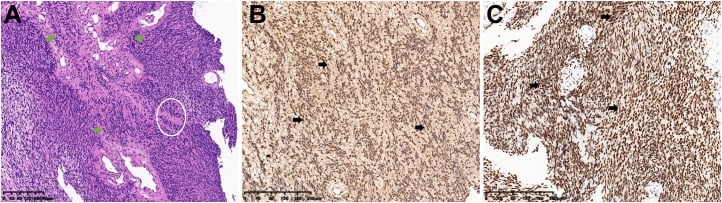
Malignant peripheral nerve sheath tumour (MPNST). MPNST is rare, under 5% of nerve sheath tumours, and presents with rapid growth, pain and neurological deficit. The prognosis is poor even with aggressive treatment, and wide en bloc resection is required. The lifetime risk is markedly increased in NF1, so a rapidly enlarging or painful nerve-sheath mass warrants urgent biopsy.
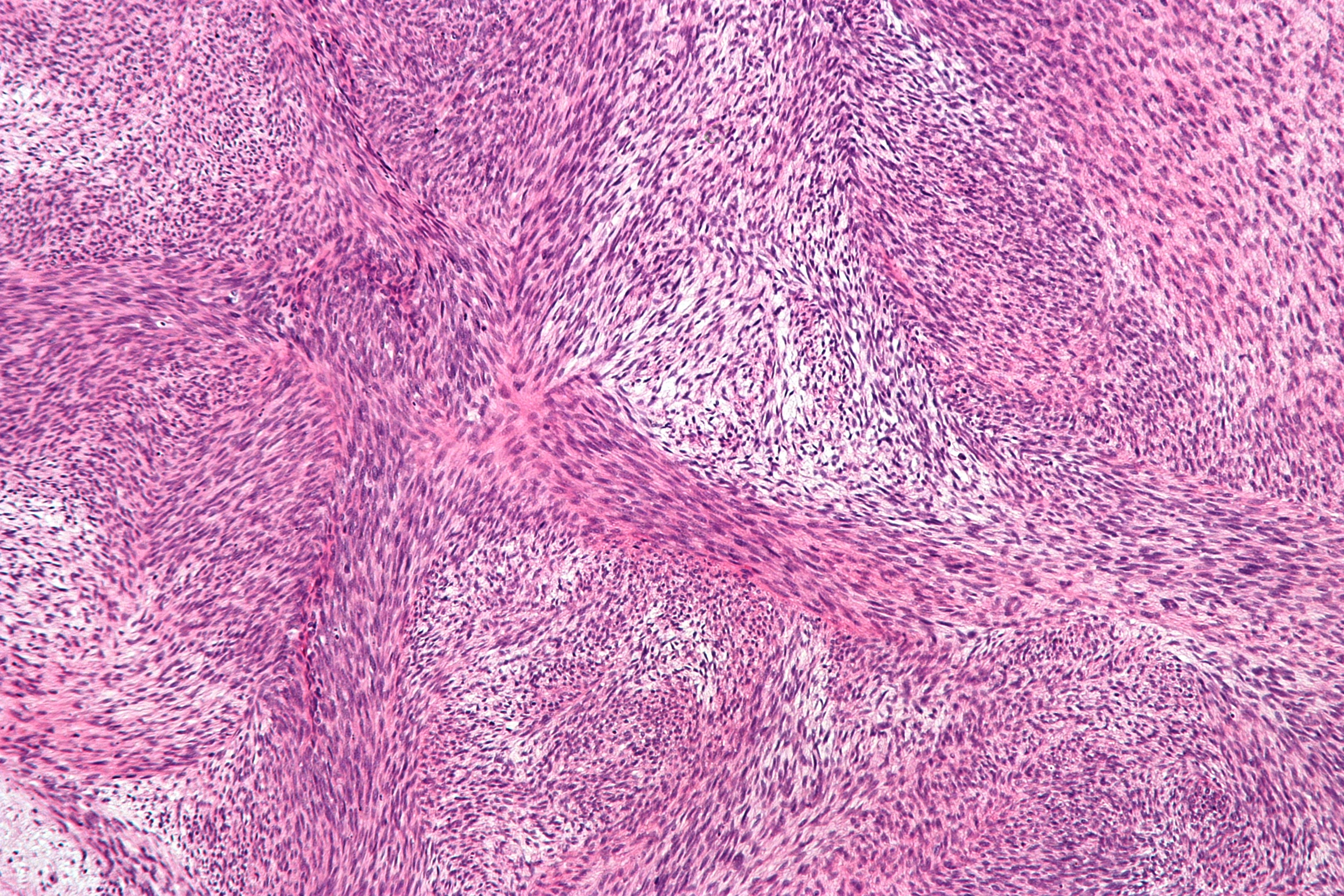
Why the pain is radicular. Compression of and traction on the nerve root, together with inflammation and chemical mediators, produce the pain. It is often nocturnal because the recumbent position increases intraspinal pressure.
Myelopathy. Progressive compression of the cord by a ventral or lateral tumour, and vascular compromise of the cord, produce myelopathy. It is a late manifestation, and the tumour is often large by then.
Natural history. Schwannomas grow slowly, 1-2 mm per year, and may remain asymptomatic for years. Neurofibromas grow variably, faster in NF1. Malignant transformation is rare in schwannomas (under 1%) and higher in NF1 neurofibromas (5-10%).
Clinical Presentation
Symptoms progress through three stages.
Early: radicular pain. Unilateral dermatomal pain is present in 80-90% of patients. It is lancinating or burning, worse with movement, Valsalva, coughing, bending and recumbency, and partly relieved by particular positions. It may precede imaging findings by months to years.
Intermediate: root deficit. Motor and sensory deficits appear: dermatomal paraesthesia and numbness, progressive weakness in a myotomal distribution, atrophy of the affected muscles, reflex asymmetry or loss, and gait disturbance if a lower limb root is involved.
Late: myelopathy. Bilateral weakness below the tumour level, spasticity and hyperreflexia, a sensory level, and bladder and bowel dysfunction. This indicates significant cord compression requiring urgent surgery.
Inspection looks for the stigmata of NF1: café-au-lait spots, axillary or inguinal freckling, subcutaneous neurofibromas, Lisch nodules (iris hamartomas), and scoliosis (the NF1-associated dystrophic curve).
Motor and sensory examination. A root lesion gives myotomal weakness, muscle atrophy from chronic denervation, lower motor neuron fasciculations and dermatomal loss to pinprick and light touch. Cord compression adds pyramidal signs (hyperreflexia, spasticity, Babinski), posterior column dysfunction (vibration and proprioception) and a sensory level.
Special tests.
- Straight leg raise: positive with lumbar or sacral root involvement
- Spurling test: positive with cervical root compression
- Hoffmann and Babinski signs: present with myelopathy
Neurofibromatosis Screening
CAFE SPOTNF1 Diagnostic Criteria — all seven (CAFE SPOT)
Hook:NF1 requires 2 or more of these SEVEN criteria — the older five-item mnemonics omit the optic glioma and the skeletal lesion, so a child with café-au-lait macules and a congenital tibial pseudarthrosis already meets the diagnosis — The 2021 international consensus revision (Legius et al.) adds a heterozygous pathogenic NF1 variant as a criterion in its own right, adds choroidal abnormalities, and requires a child of an UNAFFECTED parent to meet two criteria of which at least one is not pigmentary — precisely to separate NF1 from Legius syndrome, which shares café-au-lait macules and freckling. Identifying NF1 changes surgical planning: multiple tumours, malignant transformation risk, dystrophic scoliosis and genetic counselling.
Features that are not criteria. Learning disability and attention deficit are associated with NF1, as is an increased risk of malignancy: MPNST, phaeochromocytoma, breast cancer, and optic pathway and other gliomas beyond the optic nerve.
NF1 in the spine. Expect multiple nerve sheath tumours (schwannomas and neurofibromas), paraspinal plexiform neurofibromas, dystrophic scoliosis with a short segment and severe angulation, and dural ectasia.
Investigations
MRI
MRI is the gold standard. The protocol:
- Whole-spine sagittal and axial sequences
- T1-weighted, before and after gadolinium
- T2-weighted for cord signal
- STIR for oedema and bone involvement
- Thin (3 mm) cuts through the tumour
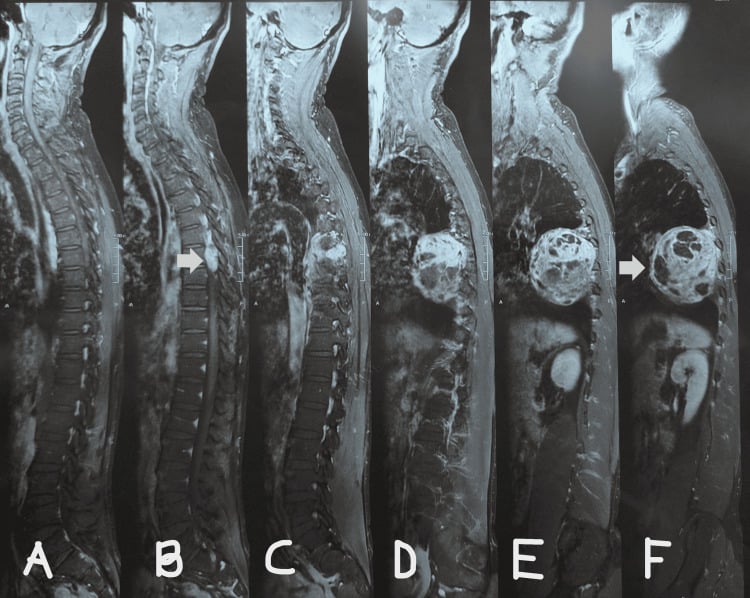
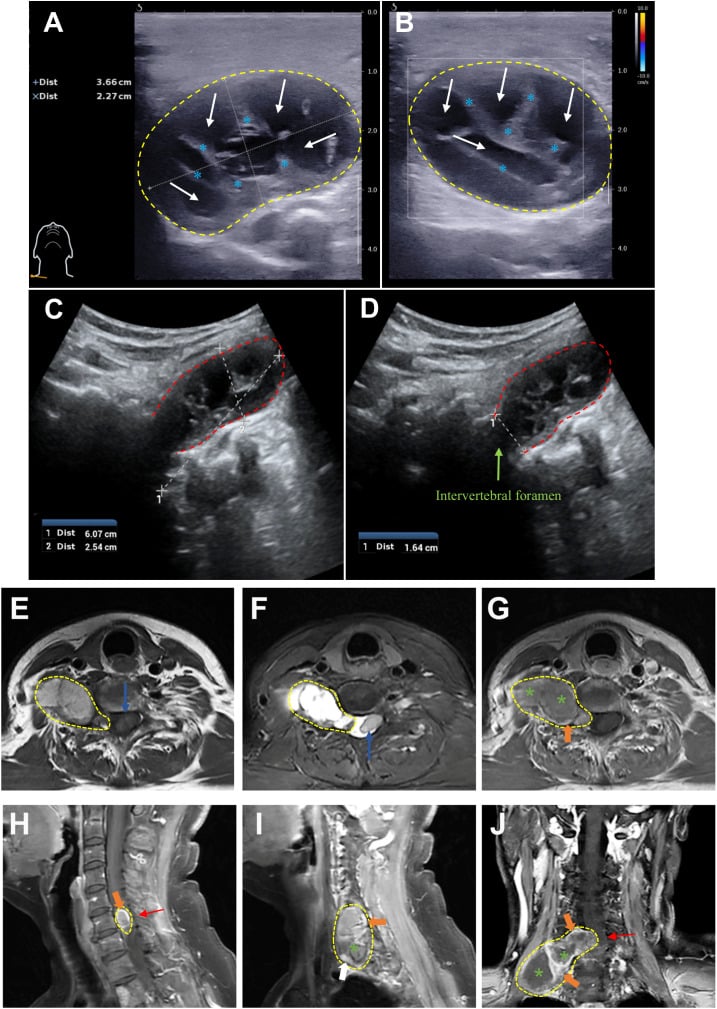
Schwannoma. An ovoid or round mass with well-defined margins, iso- to hypointense to cord on T1 and hyperintense on T2, with hypointense areas where there is fibrosis. Small tumours enhance intensely and homogeneously; large tumours with cystic degeneration enhance heterogeneously. A crescent of CSF around the tumour, the CSF cap, marks it as extramedullary, and the target sign (central low T2 signal with peripheral high signal) is specific but uncommon.
Neurofibroma. Often foraminal or paraspinal, it is a fusiform enlargement of the nerve, isointense on T1, very hyperintense on T2 from its myxoid matrix, and enhances heterogeneously. The target sign is more common than in schwannoma, and the tumours are often multiple in NF1.
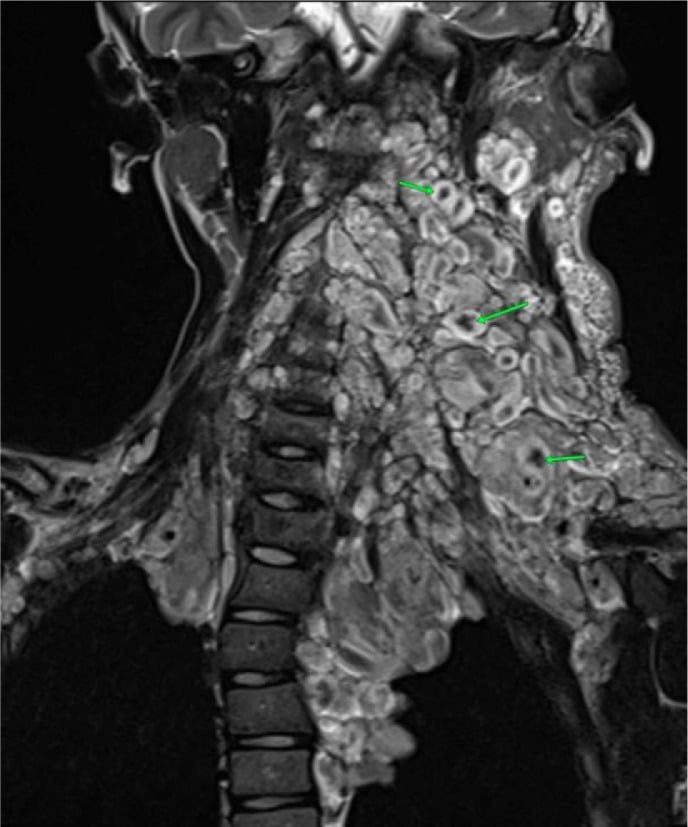
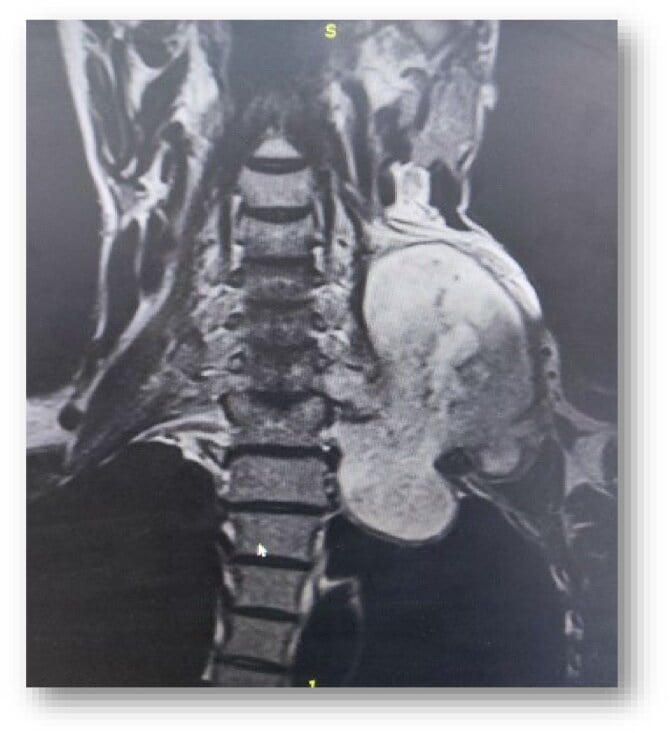
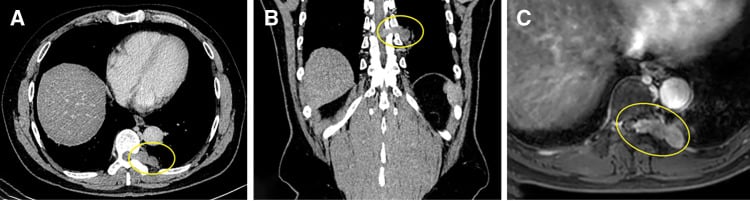
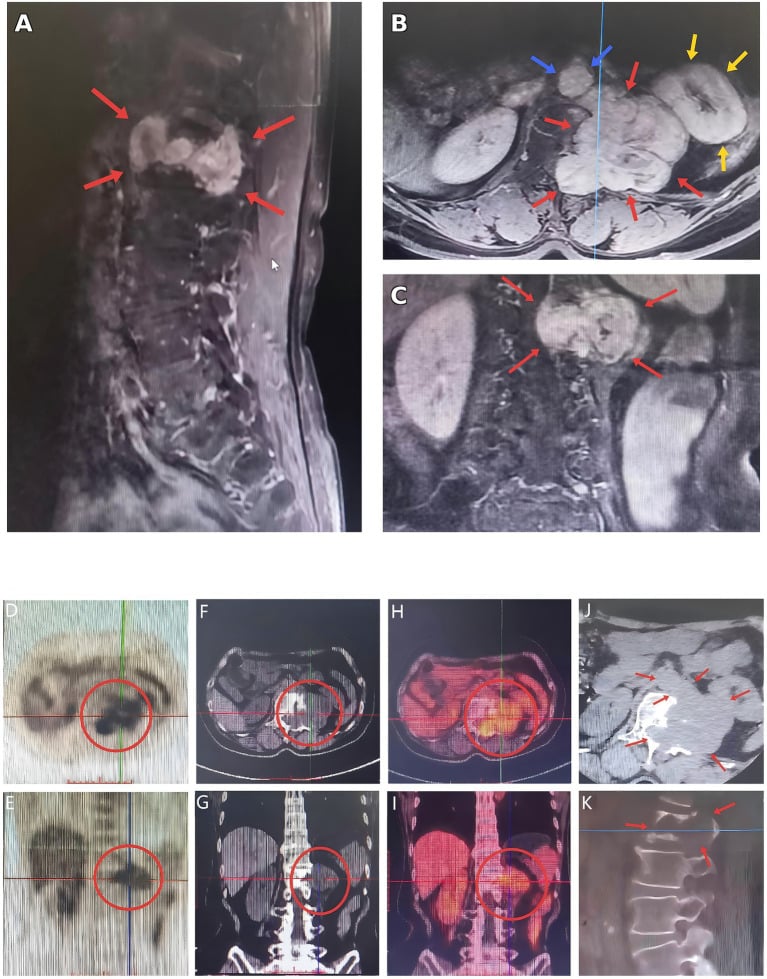
Dumbbell tumours. The intraspinal component is an intradural extramedullary mass, the foraminal component widens the neural foramen (best seen on axial CT), and the paraspinal component is a soft-tissue mass lateral to the spine. The tumour takes an hourglass shape at the foramen and may erode bone and destroy the facet.
CT
CT is for the bone, particularly in dumbbell tumours. It shows the widened neural foramen, facet erosion or destruction, vertebral body scalloping and the paraspinal soft-tissue mass, and it is used to plan foraminal enlargement. Calcification is rare; if present, consider meningioma.
Differential Diagnosis
- Schwannoma
- Posterolateral, eccentric
- Neurofibroma
- Foraminal, central
- Meningioma
- Anterolateral, dural
- Ependymoma (Filum)
- Central, filum terminale
- Schwannoma
- Equal M:F
- Neurofibroma
- Equal or slight F
- Meningioma
- Female 4:1
- Ependymoma (Filum)
- Male 2:1
- Schwannoma
- Cervical, then lumbar, then thoracic
- Neurofibroma
- Lumbar, then cervical, then thoracic
- Meningioma
- Thoracic (80%)
- Ependymoma (Filum)
- Conus/filum
- Schwannoma
- Hyperintense
- Neurofibroma
- Very hyperintense
- Meningioma
- Isointense
- Ependymoma (Filum)
- Hyperintense
- Schwannoma
- Intense, homogeneous
- Neurofibroma
- Heterogeneous
- Meningioma
- Intense, homogeneous
- Ependymoma (Filum)
- Intense, homogeneous
- Schwannoma
- Absent
- Neurofibroma
- Absent
- Meningioma
- Present (70%)
- Ependymoma (Filum)
- Absent
- Schwannoma
- Rare
- Neurofibroma
- Rare
- Meningioma
- Common (25%)
- Ependymoma (Filum)
- Rare
Series disagree on level. The two schwannoma series in the Evidence Base do not follow the table's cervical-first order: Conti's 179 tumours were lumbosacral (87), then thoracic (59), then cervical (33), and lumbar tumours were the commonest in Jeon's 40.
Laboratory Tests, CSF and Neurophysiology
Pre-operative work-up. Full blood count, renal and liver function, a coagulation profile, group and screen (blood products are rarely needed), ECG and anaesthetic assessment.
CSF analysis is rarely needed. The protein is raised in 60-80% of cases, with a normal glucose and cell count.
Froin syndrome. Described by Georges Froin in 1903, and also called the loculation or Nonne-Froin syndrome, it is the set of CSF changes found at lumbar puncture below a lesion that completely obstructs the spinal subarachnoid space. It is the lumbar-puncture fingerprint of a nerve sheath tumour that has obstructed that space, and remains a favourite viva and MCQ item. The classic triad:
- Xanthochromia: yellow discoloration of the CSF produced by its very high protein content, and at times by prior microhaemorrhage
- Markedly elevated protein (hyperproteinorrachia), often over 1000 mg/dL, with a normal cell count, a dissociation termed albuminocytological dissociation
- Spontaneous hypercoagulation: the fluid clots on standing because of its high fibrinogen and protein load
The mechanism. A large intradural extramedullary tumour (schwannoma, neurofibroma or meningioma) fills the canal and isolates the CSF caudal to it. The stagnant fluid below the block equilibrates with plasma proteins across leaky tumour vessels while normal CSF turnover ceases, so protein accumulates dramatically. Because the sample is drawn below the block, glucose and cell count are typically normal, which distinguishes Froin's picture from infective or malignant meningitis.
Recognise it, do not reproduce it. The block was historically demonstrated with the Queckenstedt test: manual jugular compression fails to raise lumbar CSF pressure when the subarachnoid space is obstructed. MRI has now replaced both the Queckenstedt test and diagnostic lumbar puncture. A Froin-type CSF picture should prompt urgent whole-spine gadolinium MRI rather than repeated taps, and lumbar puncture below a suspected complete block is best avoided because of the risk of neurological deterioration as fluid is withdrawn across the obstruction.
Neurophysiology. EMG and nerve conduction studies localise root involvement and record pre-operative motor and sensory baselines. Intraoperatively, SSEPs monitor the sensory roots and triggered EMG the motor roots.
Management
Surgical Indications
Absolute indications. Operate for any of:
- Progressive neurological deficit
- Myelopathy (cord compression)
- Intractable radicular pain affecting quality of life
- Suspicion of malignancy (rapid growth, NF1 patient)
Relative indications.
- Asymptomatic tumour with radiological progression
- Large tumour, over 2 cm, even if minimally symptomatic
- Dumbbell tumour with foraminal widening
- Patient preference after discussion of the natural history
Observation. Small asymptomatic tumours (under 1 cm), elderly or medically unfit patients, and the multiple tumours of NF1, where the symptomatic lesions are prioritised, can be observed with serial MRI every 6-12 months to assess growth.
Standard Posterior Approach
A posterior laminectomy approach suits purely intradural tumours and those with a small foraminal component that does not need facetectomy, which is the majority of nerve sheath tumours.
Set-up. Prone on a radiolucent table, in Mayfield fixation for the cervical spine or padded prone for the thoracolumbar spine. Intraoperative neuromonitoring uses SSEP, with triggered EMG to identify motor roots, and fluoroscopy localises the exact tumour level.
Exposure. A midline incision over the affected levels and subperiosteal muscle dissection lead to a hemilaminectomy on the tumour side, preserving the contralateral lamina and facets; it may be extended to a laminectomy if the tumour crosses the midline. Preserve the facet capsule to prevent instability.
Dural opening. A midline durotomy with tacking sutures opens the intradural space for inspection under the microscope. Identify the tumour, usually posterolateral, and its relationship to the nerve root and cord.
Resecting a schwannoma.
- Sharply incise the arachnoid over the tumour
- Identify the nerve root of origin, usually dorsal
- Coagulate the feeding vessels with bipolar
- Dissect circumferentially around the capsule, preserving the fascicles splayed over its surface
- Stimulate the root with triggered EMG to confirm motor versus sensory
- Divide the root proximally and distally if it is sensory and non-essential; attempt nerve preservation if it is a motor root
- Remove the tumour en bloc
Resecting a neurofibroma. The tumour is more infiltrative into the fascicles. Attempt intracapsular debulking first and assess root function with stimulation. On a motor root, accept subtotal resection to preserve function; on a sensory root (C1-C4, T2-T12), the nerve may be sacrificed for gross total resection.
Closure. Meticulous haemostasis, a watertight dural closure with a running 4-0 suture and dural sealant, then muscle and fascia in layers and a subcuticular skin closure.
Dumbbell Tumours
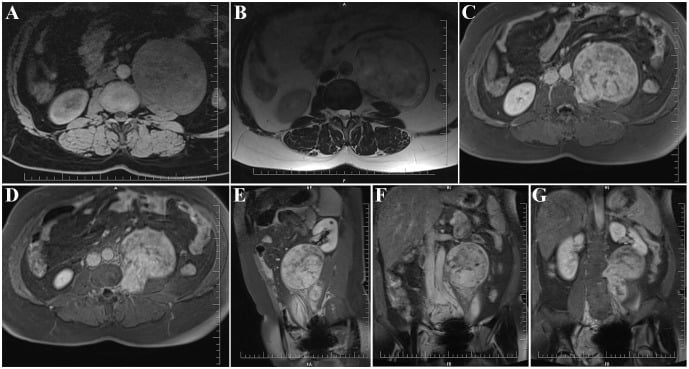
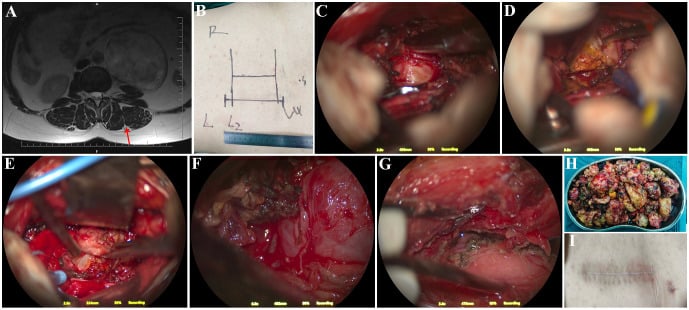
Small to moderate (extraforaminal component under 3 cm). A posterior approach with unilateral laminectomy plus medial facetectomy (under 50%), widening the foramen with a high-speed drill. Remove the intraspinal component first, then deliver the extraforaminal component through the foramen. Pedicle screw fixation may be required if more than 50% of the facet is removed.
Large (extraforaminal component over 3 cm). Consider a staged or combined approach:
- Posterior approach with complete facetectomy and fusion
- Anterior or lateral retropleural or retroperitoneal approach for the paraspinal component, then posterior for the intraspinal component
- Combined single-stage anterior-posterior approach
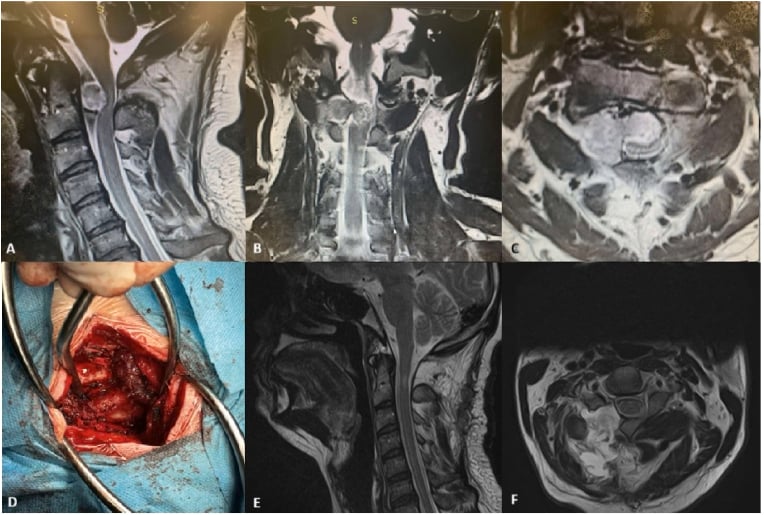
Cervical. A large paraspinal component is approached from the front, through the anterolateral (Henry) approach to the cervical spine. Mobilise the carotid sheath and oesophagus, identify and protect the vertebral artery, and resect the paraspinal component; the foramen may be accessed from anteriorly. The intradural component is removed through a staged posterior approach.
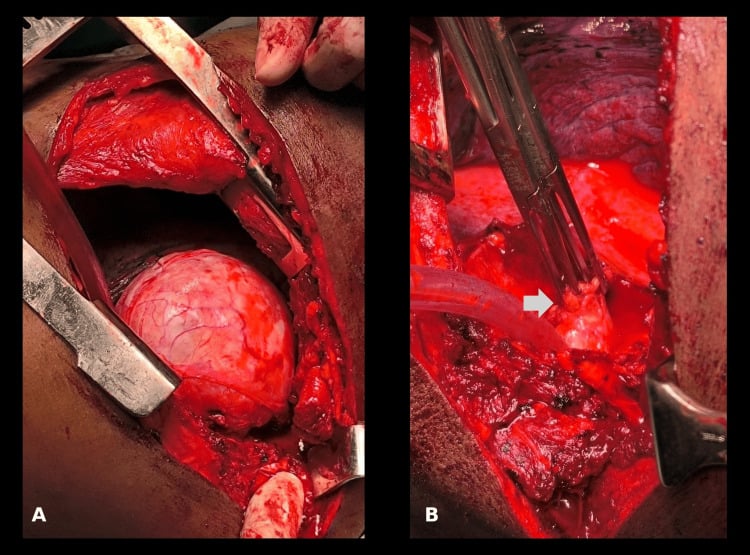
Thoracic. A transthoracic or thoracoscopic approach in the lateral decubitus position, through a rib resection or thoracoscopic ports, mobilises the lung and parietal pleura and gives excellent visualisation of the paraspinal tumour. A hemilaminectomy deals with the intradural component.
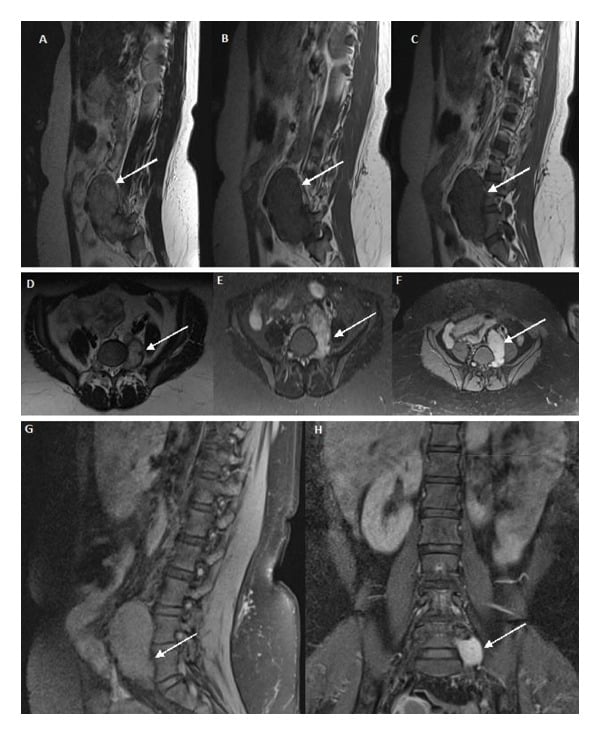
Lumbar. A retroperitoneal or transperitoneal approach gives anterior access to the psoas and paraspinal region. Mobilise the great vessels and ureter and resect the paraspinal component; a posterior laminectomy removes the intradural tumour.
Nerve Root Preservation
Planning. Review the MRI to determine the root of origin, predict from its location whether it is motor or sensory, and discuss with the patient the potential for root sacrifice and the deficit to expect.
Identifying the root. Stimulate the proximal root with triggered EMG. A low-threshold response (under 0.5 mA) indicates a motor root; a high threshold or no response indicates a sensory root. Stimulate the distal root after resection to confirm function.
Preserving it. A schwannoma displaces the nerve eccentrically and leaves the fascicles on its capsule, where sharp dissection along the capsule can preserve them. If the tumour arises from a motor root, attempt intracapsular debulking to preserve the root, and accept subtotal resection if nerve preservation is critical.
The sacrifice decision.
- Sensory roots (C1-C4, T2-T12, and S3-S5 on one side): safe to sacrifice for gross total resection
- Motor roots (C5-T1, L2-S2): attempt preservation
- A motor root that is completely non-functional (no EMG response, severe atrophy): sacrifice acceptable
- Bilateral motor root sacrifice: never acceptable
Complications
Expected deficits versus complications. Some deficits are the planned price of the operation: dermatomal numbness is expected after a sensory root is sacrificed and is usually well tolerated, and weakness or numbness after any root sacrifice depends on the root. Anticipate these, and distinguish them from complications that need intervention.
- Incidence
- 2-5%
- Presentation
- Wound drainage or positional headache
- Management
- Bed rest, acetazolamide, pressure dressing; surgical repair if persistent beyond 5-7 days or a large-volume leak
- Incidence
- 1-2%
- Presentation
- Acute neurological deterioration, severe pain
- Management
- Urgent MRI confirms; emergency evacuation if the cord is compressed
- Incidence
- 2-3%
- Presentation
- Management
- Antibiotics and local wound care
- Incidence
- Under 1%
- Presentation
- Management
- Surgical washout and IV antibiotics
- Incidence
- Presentation
- Motor weakness, suggesting nerve injury during dissection
- Management
- High-dose steroids, close observation, rehabilitation
Wound infection in the largest series. Safaee's 221 nerve sheath tumours (Evidence Base) had a wound infection rate of 5%, above the figure in the table, and an overall complication rate of 32%, most often new or worsening sensory symptoms.
Spinal instability. The risk factors are bilateral facetectomy of more than 50%, multilevel laminectomy and pre-existing scoliosis. It presents with mechanical back pain and progressive deformity. Prevention is prophylactic fusion when facet resection is high-risk; management is posterior instrumented fusion if symptomatic.
Tumour recurrence.
- Schwannoma: under 5% after gross total resection, higher after subtotal resection
- Neurofibroma: 10-15%, higher in NF1
- MPNST: high recurrence even after gross total resection, with a poor prognosis
Surveillance MRI follows at 3 months, 1 year and then every 2 years for a schwannoma, and annually for a neurofibroma and in NF1.
Chronic pain. Persistent or new radicular pain affects 5-10% of patients and usually improves over months. The mechanisms are nerve injury, epidural scarring and arachnoiditis; management is multimodal analgesia, neuropathic pain medication and pain clinic referral.
Giant Sacral Nerve Sheath Tumors: Approach and Sphincter-Root Preservation
Sacral nerve sheath tumours behave differently from those higher in the spine. The S2-S5 roots carry bladder, bowel and sexual function, and the roomy sacral canal lets a tumour grow silently.
Why they present late and large. The capacious sacral canal and pre-sacral space allow a schwannoma or neurofibroma to reach a very large ("giant") size before it produces symptoms. Presentation is therefore insidious, with vague low back or pelvic pain, a palpable pre-sacral or buttock mass, or bladder, bowel and sexual dysfunction, rather than a sharp radiculopathy.
Imaging. CT shows a well-marginated lytic lesion that scallops and expands the sacrum with a smooth sclerotic rim, while MRI defines the intracanal and pre-sacral extent. The principal alternatives to exclude are chordoma (midline, calcifies, destroys bone) and metastasis.
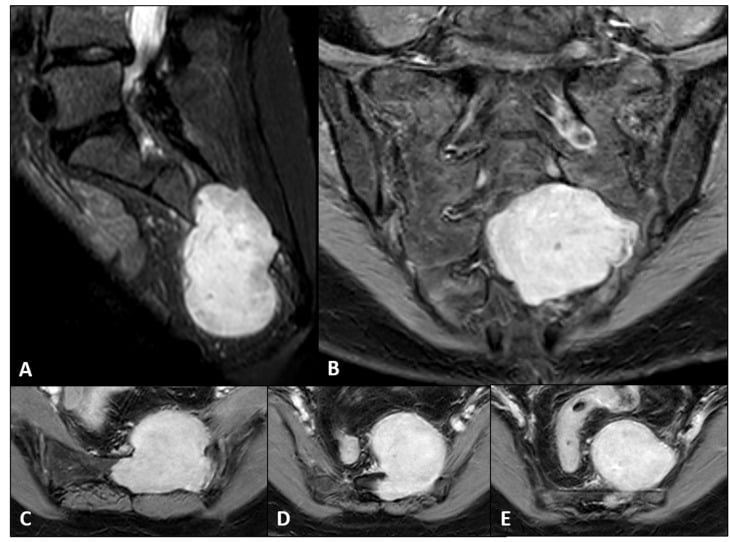
Approach selection.
- Posterior (trans-sacral) approach: suffices for tumours largely confined to the sacral canal and dorsal sacrum
- Combined anterior (trans-abdominal or retroperitoneal) plus posterior approach, sometimes staged: for large pre-sacral components; the anterior stage controls the middle sacral and internal iliac vessels and protects the rectum, ureters and lumbosacral plexus before the posterior sacral resection
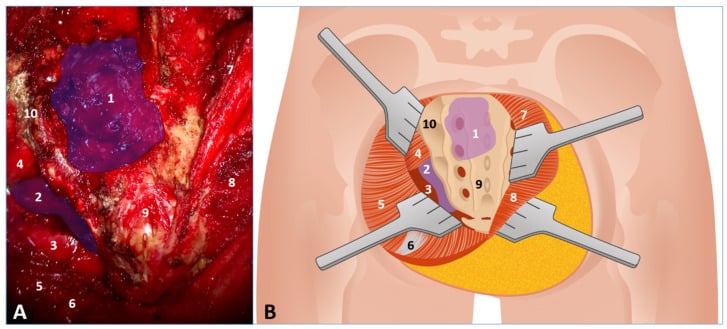
Resection versus continence. Unlike an expendable thoracic sensory root, the sacral roots carry pelvic autonomic function, so gross total resection must be balanced against sphincter preservation. The working principles:
- Preserving both S2 roots and at least one S3 generally maintains useful bladder, bowel and sexual function
- Bilateral sacrifice of S2 and below typically produces a neurogenic bladder and bowel with sexual dysfunction
- Unilateral sacrifice of an entire S1-S5 side is usually tolerated if the contralateral roots are intact
Match the resection to the histology. For a benign schwannoma it is acceptable to leave tumour on a functioning sphincter root (planned subtotal resection) rather than render the patient incontinent, which makes the giant sacral schwannoma one of the few settings where subtotal resection is deliberately accepted. Aggressive en bloc excision is reserved for malignant lesions such as MPNST, where oncological margins dominate. As elsewhere, intraoperative EMG and root stimulation guide which roots can be safely divided.
Guidelines, Registries & Global Practice
Global Epidemiology
- Nerve sheath tumours account for roughly 25–30% of intradural extramedullary spinal tumours; schwannomas predominate (70–80%) over neurofibromas.
- Peak incidence is in the fourth to sixth decades with no strong sex predilection (unlike spinal meningioma, which is markedly female-predominant).
- Most are sporadic and solitary. Multiplicity should prompt evaluation for a tumour-predisposition syndrome — NF1, NF2, or schwannomatosis (including SMARCB1/LZTR1-related disease).
- MPNST is rare overall but its lifetime risk rises to roughly 8–13% in NF1, making new pain or rapid growth in an NF1 patient a red flag worldwide.
Diagnostic & Syndrome Criteria (Side by Side)
- Defining lesions
- Cafe-au-lait macules, skinfold freckling, Lisch nodules, neurofibromas/plexiform
- Gene
- NF1 (chr 17)
- Spinal relevance
- Multiple neurofibromas, dystrophic scoliosis, dural ectasia, MPNST risk
- Defining lesions
- Bilateral vestibular schwannomas, meningiomas, ependymomas
- Gene
- NF2 / merlin (chr 22)
- Spinal relevance
- Multiple spinal schwannomas and meningiomas; worst surgical prognosis
- Defining lesions
- Multiple non-vestibular schwannomas, often painful
- Gene
- SMARCB1, LZTR1 (chr 22)
- Spinal relevance
- Multiple peripheral/spinal schwannomas without vestibular tumours
Society Guidance & Practice Variation
- No single dedicated society "guideline" governs sporadic spinal nerve sheath tumour surgery; practice is guided by WHO CNS tumour classification (5th edition, 2021) for pathology and grading, NIH/revised international diagnostic criteria for NF1, and the Manchester criteria for NF2.
- Surgical principles are broadly concordant across AANS/CNS (US), the British Association of Spine Surgeons / SBNS (UK), EANS (Europe) and EFORT teaching: gross total microsurgical resection with neural preservation for symptomatic or growing tumours, observation with interval MRI for small asymptomatic lesions.
- WHO/NF management is increasingly delivered through specialist neurofibromatosis multidisciplinary clinics in high-resource settings, with genetic counselling and whole-neuraxis surveillance imaging.
Registry & Surveillance Notes
- Unlike arthroplasty, there is no large international implant registry for these tumours; outcome data derive from single-centre and multi-institutional surgical series and from national NF natural-history cohorts.
- High-resource settings: routine MRI with gadolinium, intraoperative neuromonitoring, microsurgical and minimally invasive corridors, and access to SRS and MDT NF clinics.
- Limited-resource settings: later presentation (larger tumours, established myelopathy), reliance on CT or non-contrast MRI, fewer neuromonitoring resources, and a lower threshold for open laminectomy with fusion where minimally invasive instrumentation is unavailable. The core operative principle — safe maximal resection with neural preservation — remains universal.
Controversies & Areas of Uncertainty
Nerve sheath tumour surgery is mature, but several decisions remain genuinely contested and are favourite viva discussion points.
- Routine vs selective intraoperative neuromonitoring. Triggered EMG and SSEP/MEP undeniably aid root identification, and in the largest series monitoring tracked with higher gross-total resection rates (79% vs 66%). However, no randomised trial demonstrates that monitoring reduces permanent deficits, and complication rates were similar with and without it. Practice ranges from mandatory for every intradural case to selective use for motor-root lesions.
- Extent of resection of the parent root. Classic teaching is to preserve the root of origin, yet historical data show the parent root is frequently already non-functional and sacrifice of even C5–T1 or L3–S1 roots produces a detectable deficit in only about a quarter of cases. The modern compromise is intracapsular debulking with functional preservation when stimulation confirms a live motor root, and en bloc removal when it does not.
- Prophylactic fusion after facetectomy. There is no consensus threshold. Many surgeons fuse after greater than 50% unilateral facet resection or any bilateral facetectomy, but minimally invasive far-lateral corridors have removed giant dumbbell tumours with no instrumentation, challenging the assumption that wide bony exposure mandates fusion.
- Management of asymptomatic and NF-associated tumours. Whether to operate on small asymptomatic lesions, and how aggressively to treat the multiple tumours of NF1/NF2 and schwannomatosis, is individualised. Most centres observe small stable lesions and operate selectively on symptomatic or growing ones, reserving prophylactic surgery for radiological progression.
- Role of stereotactic radiosurgery (SRS). SRS is established for intracranial schwannomas but its role for spinal nerve sheath tumours is limited to poor surgical candidates, residual/recurrent disease, or multiple NF-related lesions; durable high-level evidence is lacking and surgery remains first-line for accessible symptomatic tumours.
- MPNST adjuvant therapy. The benefit of radiotherapy and chemotherapy is uncertain. Foundational data showed no clear survival benefit, while more recent practice favours adjuvant radiotherapy for local control after marginal margins; complete resection remains the only consistently prognostic intervention.
Clinical Decision Scenarios
Practise clinical reasoning and management decisions out loud
“A 52-year-old woman presents with 8-month history of progressive left L5 radicular pain and foot drop. Examination shows 3/5 left ankle dorsiflexion, 4/5 extensor hallucis longus, numbness in L5 distribution, absent left ankle reflex. MRI shows 2.5 cm well-circumscribed intradural extramedullary mass at L4-L5 level, posterolateral left side, intense homogeneous enhancement. No foraminal extension.”
“A 45-year-old man presents with right arm pain and progressive weakness for 6 months. Examination shows 4/5 right deltoid, 4/5 biceps, diminished sensation in C5 dermatome. MRI shows 3 cm dumbbell nerve sheath tumor at C4-C5 level with intraspinal and large paraspinal components. CT shows widened right C4-C5 foramen with facet erosion. No neurofibromatosis features.”
“A 34-year-old man with known neurofibromatosis type 1 (multiple cafe-au-lait macules, axillary freckling, several cutaneous neurofibromas) reports 6 weeks of escalating, constant thoracic back pain that now wakes him at night, plus new left lower-limb weakness. He has a known stable plexiform neurofibroma at T9-T10 that has been observed for years. On examination there is a sensory level at T10, 4/5 hip flexion, and brisk lower-limb reflexes. Contrast MRI shows the T9-T10 lesion has grown markedly since the prior scan with heterogeneous enhancement, central necrosis, and infiltrative margins.”
Quick Recognition
- Radicular pain + intradural extramedullary enhancing mass on MRI = nerve sheath tumor
- Schwannoma 70-80% (well-defined, homogeneous enhancement)
- Neurofibroma 20-30% (infiltrative, very hyperintense T2, NF1 association)
- Dumbbell 15-30% (widened foramen on CT)
Schwannoma vs Neurofibroma
- Schwannoma: encapsulated, eccentric to nerve, nerve fascicles on capsule surface
- Schwannoma: GTR 95%, nerve preservation 85%, recurrence less than 5%
- Neurofibroma: infiltrative, within fascicles
- Neurofibroma: GTR 74%, nerve preservation 58%, recurrence 10-15%, NF1 association 40-50%
Critical Nerve Roots
- MUST preserve: C5-T1 (arm function), L2-S1 (leg function especially L5 foot dorsiflexion, S1 plantarflexion)
- Can sacrifice: C1-C4 (neck sensation), T2-T12 (intercostal, truncal sensation), S3-S5 (if unilateral)
- Never sacrifice bilateral motor roots
Surgical Approach
- Standard: posterior hemilaminectomy on tumor side, preserve facets less than 50%
- Dumbbell less than 3 cm: posterior with medial facetectomy, widen foramen
- Dumbbell greater than 3 cm: combined anterior (paraspinal) + posterior (intraspinal) or single-stage with facetectomy + fusion
Resection Technique
- Schwannoma: circumferential dissection along capsule, nerve fascicles displaced on surface
- Preserve fascicles, en bloc removal, GTR achievable 95%
- Neurofibroma: infiltrative, attempt intracapsular debulking, nerve preservation priority
- Accept STR if motor root involved
Neuromonitoring
- Triggered EMG essential for root identification
- Stimulation threshold less than 0.5 mA = motor root (preserve)
- High threshold or no response = sensory root (sacrificable if non-essential)
- Stimulate proximal and distal to tumor
- Changes surgical plan in 23% of cases
Dumbbell Tumor Keys
- CT for bony anatomy (widened foramen, facet erosion)
- Widen foramen with high-speed drill
- Remove intraspinal component first, deliver paraspinal through foramen
- If large paraspinal (greater than 3 cm), consider anterior approach
- Fusion if greater than 50% facet resection
NF1 Screening
- NIH criteria (need 2+): 6+ café-au-lait macules, axillary/inguinal freckling, 2+ Lisch nodules (iris)
- First-degree relative with NF1, plexiform neurofibroma or 2+ neurofibromas
- NF1: multiple tumors, prioritize symptomatic, annual surveillance
- 5-10% MPNST risk
Expected Outcomes
- GTR 94% overall
- Neurological improvement 68%
- New deficit 8% (mostly planned root sacrifice)
- Recurrence: schwannoma less than 5%, neurofibroma 10-15%, MPNST high
- Surveillance: MRI 3 months, 1 year, then every 2 years (annually for NF1)
Viva Talking Points
- Intraoperative EMG improves nerve preservation (89% vs 78%)
- Schwannoma nerve preservation achievable in 85-90% due to eccentric location
- Dumbbell tumors: posterior approach for most, anterior/combined if large paraspinal
- NF1 changes prognosis: higher recurrence, malignant transformation risk
- MPNST: wide en bloc resection + XRT, poor prognosis (5-year OS 34%)
Evidence Base
Long-Term Outcome After Spinal Schwannoma Resection
- Life expectancy after resection matched that of the general population
- About one-fifth of patients considered themselves symptom-free at long-term follow-up
- Most common late complaints: local pain (46%), radiating pain (43%), paraparesis (31%), radicular deficit (28%)
- Late complications in 21%: spinal arachnoiditis (6%), spinal deformity (6%), troublesome pain (7%), cystic myelopathy (2%)
Spinal Neurinomas: 179 Consecutive Cases
- Total removal achieved at first operation in 174 of 179 lesions (97%)
- Clinical recovery in 108 cases; segmental pain was the most common presenting symptom
- Distribution: lumbosacral (87), then dorsal/thoracic (59), then cervical (33)
- Three malignant neurinomas — all recurred locally despite total excision and radiotherapy
- Eleven patients harboured neurofibromatosis (7 NF1, 4 NF2); NF2 carried the worst outcome
Recurrence Risk and the Case for Total Excision
- 95% of patients improved by at least one postoperative motor grade
- Two recurrences (5%) — both had undergone subtotal removal at the first operation
- Both recurrent cases had a worse prognosis than non-recurrent cases
- Predominantly intradural-extramedullary tumours (38 of 40); lumbar location most common
Risk of Deficit After Sacrifice of the Involved Nerve Root
- Only 7 of 31 patients (23%) developed a detectable postoperative motor or sensory deficit, and all deficits were partial
- Sacrifice of the entire motor and sensory radix in 15 cases caused no relevant deficit in 11 (76%)
- Preoperative EMG denervation predicted deficit: 5 of 13 denervated roots vs 0 of 10 non-denervated roots developed deficit
- Roots giving origin to schwannoma are frequently already non-functional at the time of surgery
Complications and Neuromonitoring in 221 Nerve Sheath Tumors
- Overall complication rate 32% (70/221); most common was new/worsening sensory symptoms (15%)
- New/worsening motor deficit 5%; CSF leak or pseudomeningocele 4%; wound infection 5%
- Complications higher in cervical (36%) and lumbosacral (38%) than thoracic (18%) lesions (p=0.021)
- Intraoperative neuromonitoring was associated with a higher gross-total resection rate (79% vs 66%, p=0.022)
- NF2 carried a higher complication rate than NF1 (64% vs 31%)
Giant Dumbbell Schwannoma: Minimally Invasive Resection
- Gross total resection achieved in all 15 patients
- Spinal instrumentation/fusion was not required in any case
- Thoracic and lumbar levels were the most frequent locations
- Mini-open far-lateral access offered a low-morbidity alternative to open facetectomy plus fusion in experienced hands
MPNST: Prognosis and the Neurofibromatosis Association
- Neurofibromatosis present in 62 of 120 patients (52%)
- Tumour size over 5 cm and the presence of neurofibromatosis each independently worsened prognosis (p less than 0.05); together survival was greatly reduced
- Total rather than subtotal resection improved survival, most markedly for small lesions
- Adjuvant radiotherapy or chemotherapy did not appear to alter survival in this cohort
- Tumour grade and mitotic rate did not correlate significantly with survival
References
-
Seppälä MT, Haltia MJ, Sankila RJ, Jääskeläinen JE, Heiskanen O. Long-term outcome after removal of spinal schwannoma: a clinicopathological study of 187 cases. J Neurosurg. 1995;83(4):621-626. PMID 7674010.
-
Conti P, Pansini G, Mouchaty H, Capuano C, Conti R. Spinal neurinomas: retrospective analysis and long-term outcome of 179 consecutively operated cases and review of the literature. Surg Neurol. 2004;61(1):34-43. PMID 14706374.
-
Jeon JH, Hwang HS, Jeong JH, Park SH, Moon JG, Kim CH. Spinal schwannoma; analysis of 40 cases. J Korean Neurosurg Soc. 2008;43(3):135-138. PMID 19096620.
-
Ducatman BS, Scheithauer BW, Piepgras DG, Reiman HM, Ilstrup DM. Malignant peripheral nerve sheath tumors. A clinicopathologic study of 120 cases. Cancer. 1986;57(10):2006-2021. PMID 3082508.
-
Kim P, Ebersold MJ, Onofrio BM, Quast LM. Surgery of spinal nerve schwannoma. Risk of neurological deficit after resection of involved root. J Neurosurg. 1989;71(6):810-814. PMID 2585070.
-
Safaee MM, Lyon R, Barbaro NM, et al. Neurological outcomes and surgical complications in 221 spinal nerve sheath tumors. J Neurosurg Spine. 2016;26(1):103-111. PMID 27472744.
-
Poblete J, Martinez Anda JJ, Rebollar Mendoza AA, et al. Minimally invasive surgical technique for the management of giant dumbbell spinal schwannoma. J Neurol Surg A Cent Eur Neurosurg. 2023;84(3):219-226. PMID 34911086.
-
WHO Classification of Tumours Editorial Board. Central Nervous System Tumours. 5th ed. Lyon: IARC; 2021.
-
Klekamp J, Samii M. Surgery of Spinal Tumors. Berlin: Springer-Verlag; 2007.
Related pages: Schwannoma and Neurofibroma for the two lesions in full, including the histology and the peripheral (non-spinal) presentations; Malignant Peripheral Nerve Sheath Tumour for the transformation this page screens against; Neurofibromatosis for the syndromes and the 2021 revised criteria in detail, and for the dystrophic scoliosis that accompanies paraspinal plexiform disease; Intradural Extramedullary Tumours for the wider differential at that compartment and Metastatic Spine Disease for the commonest competing diagnosis; MRI Neurography for the imaging signs; and Cauda Equina Syndrome for the presentation a lumbosacral lesion can produce.