Whole Joint Disease | Cartilage-Bone-Synovium Crosstalk | Biomechanical-Inflammatory Interplay
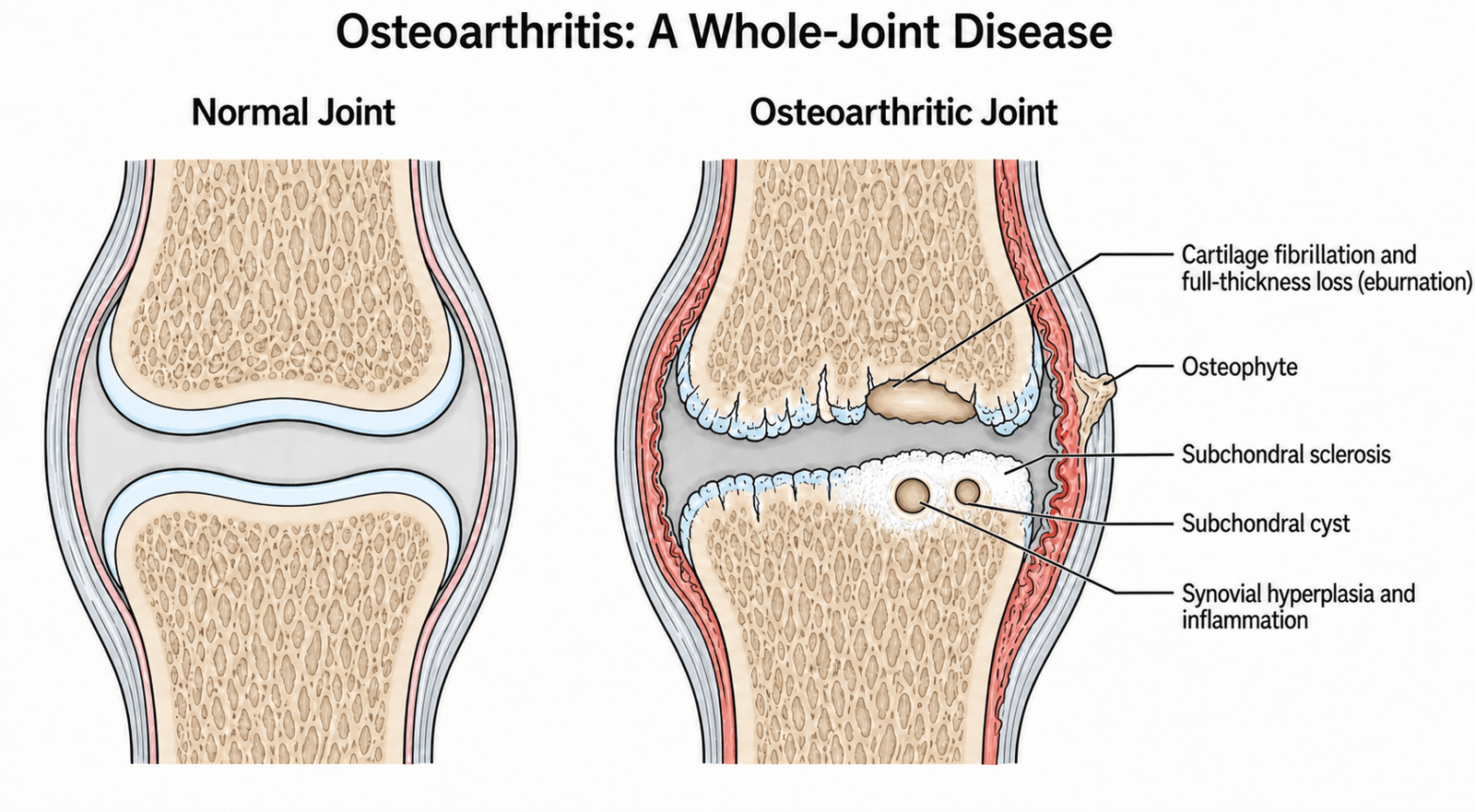
- OA is a whole joint disease affecting cartilage, bone, synovium, and soft tissues
- Imbalance of anabolic vs catabolic pathways drives progression
- IL-1beta and TNF-alpha are master inflammatory mediators
- Subchondral bone sclerosis and cysts contribute to pain and progression
- No disease-modifying OA drugs (DMOADs) currently approved
- “Early OA: cartilage water content increases (proteoglycan loss, swelling)
- “MMP-13 is primary collagenase; ADAMTS-4/5 are aggrecanases
- “Senescent cells accumulate and drive inflammation (SASP phenotype)
- “Subchondral bone changes may precede or follow cartilage loss
Overview and Introduction
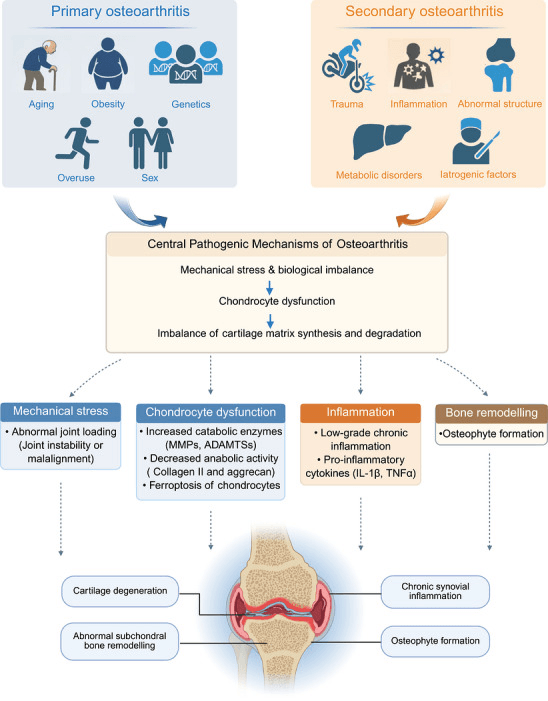
From wear and tear to whole-joint disease. Osteoarthritis (OA) was historically viewed as simple "wear and tear" of cartilage. It is now recognised as a complex, multifactorial disease of the entire joint organ, driven by biomechanical and inflammatory mechanisms. Cartilage degradation, subchondral bone remodelling, osteophyte formation, synovial inflammation, meniscal degeneration and ligament changes all take part, and the tissues interact.
An active process. The paradigm has shifted from passive degeneration to an active disease of failed repair, in which chondrocytes attempt regeneration but produce inferior matrix. That understanding has opened therapeutic avenues targeting inflammation, senescence and metabolic pathways.
Risk factors. OA is the leading cause of disability in the elderly, and age is the greatest risk factor.
- Age - prevalence doubles each decade
- Obesity - mechanical and metabolic (adipokines)
- Joint injury - post-traumatic OA in 50% of ACL or meniscal tears
- Genetics - 40-60% heritability
- Female sex - higher prevalence after menopause
What the patient notices. Stiffness comes from capsular fibrosis and osteophytes, and dysfunction from cartilage loss and deformity. Pain has several sources, none of them the cartilage, and is taken separately below.
Primary vs Secondary Osteoarthritis
The risk factors above map onto the classic aetiological division examiners expect.
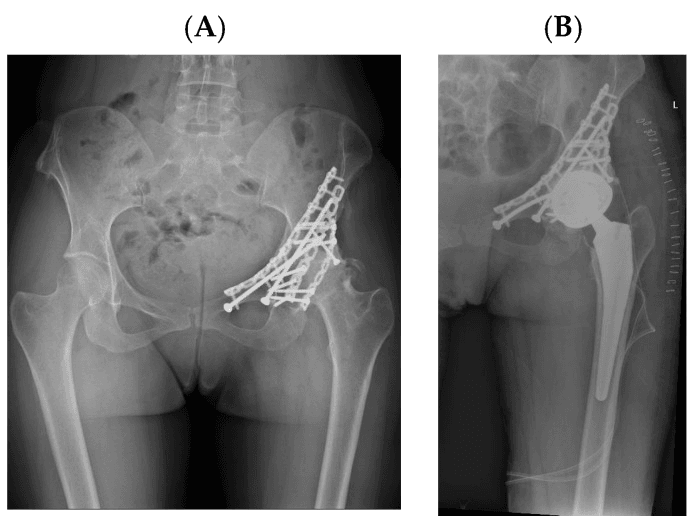
Primary (idiopathic) OA. There is no identifiable underlying cause. It is age-related and often polyarticular (hands, knees, hips, spine), with a strong genetic contribution: GWAS studies identify susceptibility loci at GDF5, COL11A1 and SMAD3.
Secondary OA. OA driven by an identifiable insult that alters joint mechanics or cartilage biology:
- Post-traumatic - intra-articular fracture, ACL or meniscal injury, malunion; the archetype of "mechanical" OA
- Developmental/congenital - DDH, SCFE, Perthes, epiphyseal dysplasia (residual incongruity or dysplasia)
- Metabolic/deposition - haemochromatosis, ochronosis (alkaptonuria), gout/CPPD, Wilson disease, acromegaly
- Inflammatory - end-stage rheumatoid or other inflammatory arthritis
- Other - avascular necrosis, Charcot (neuropathic) joints and post-septic joint destruction
Why the label matters. Secondary causes are often younger, monoarticular and modifiable: correct the mechanics, treat the metabolic disease. The label directs the search for a treatable driver rather than accepting "wear and tear".
Q: A 35-year-old has isolated single-joint OA — what must you exclude before calling it "primary"? A: Secondary OA. Primary OA is typically older and polyarticular; young monoarticular OA is secondary until proven otherwise, so work through the causes above before accepting "primary".
Concepts and Molecular Mechanisms
The imbalance. OA is a failure of joint homeostasis in which catabolic processes overwhelm anabolic repair, creating a self-perpetuating cycle of degradation. The catabolic side is IL-1β, TNF-α, the MMPs and the ADAMTS enzymes; the anabolic side is IGF-1, TGF-β and the BMPs. The net result is 3-5 times more degradation than synthesis.
Tissue crosstalk. The tissues of the joint talk in both directions. Cartilage degradation products activate synovial inflammation, and synovial cytokines in turn accelerate cartilage catabolism. Subchondral bone changes alter the mechanical loading on cartilage, and osteophytes form as attempted stabilisation.
Cartilage Pathophysiology
Early Changes
OA cartilage changes in structure and composition, beginning at the molecular level before gross damage appears.
Evolution of Cartilage Changes
Proteoglycan loss comes first. ADAMTS degrades aggrecan, and water content increases as matrix osmolarity decreases, so the cartilage swells. Chondrocytes proliferate in an attempt at repair.
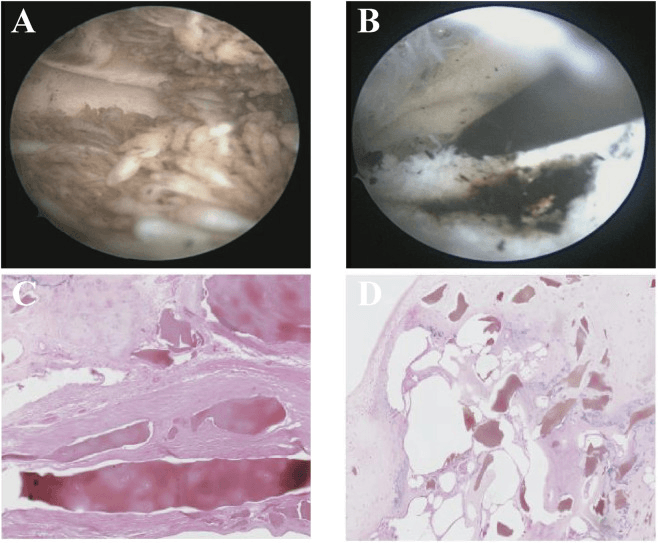
Surface fibrillation follows as the collagen network is disrupted and fissures develop parallel to the surface. Chondrocytes die in damaged areas, and failed repair leaves inferior matrix.
Deep ulceration erodes the cartilage to subchondral bone, which is exposed (eburnation). Chondrocyte apoptosis predominates and repair capacity is exhausted.
The water paradox. Early OA cartilage paradoxically holds more water: content rises from 70% to 80%+ as proteoglycan is lost. Collagen shows a net loss despite repair attempts, its crosslinking is altered towards more immature crosslinks, and the fibrillar architecture of the matrix is disrupted.
Catabolic Enzymes
Matrix degradation is mediated by specific proteases upregulated in OA chondrocytes. MMP-13 is the primary collagenase, degrading type II collagen, and ADAMTS-4 and ADAMTS-5 are the aggrecanases that cleave the aggrecan core.
- Substrate
- Collagen II (primary)
- Regulatory Cytokines
- IL-1, TNF, mechanical stress
- Inhibitors
- TIMP-1, TIMP-2
- Substrate
- Aggrecan (aggrecanase-1)
- Regulatory Cytokines
- IL-1, TNF, Wnt signalling
- Inhibitors
- TIMP-3
- Substrate
- Aggrecan (aggrecanase-2)
- Regulatory Cytokines
- Constitutive + IL-1 induced
- Inhibitors
- TIMP-3
- Substrate
- Aggrecan, proteoglycans
- Regulatory Cytokines
- IL-1, TNF
- Inhibitors
- TIMP-1, TIMP-3
IL-1β signalling. IL-1β is the master catabolic cytokine, upregulating the MMPs, and TNF-α synergises with it. The cascade runs in order:
- IL-1β binds the IL-1R1 receptor
- The IL-1RAcP co-receptor is recruited
- The MyD88 adapter protein is activated
- NF-κB and MAPK (p38, ERK, JNK) pathways are triggered
- Transcription factors translocate to the nucleus
- MMP-13, ADAMTS-4/5, iNOS and COX-2 are upregulated
- Collagen II and aggrecan synthesis are downregulated
Prostaglandin E2, from COX-2, drives inflammation and pain.
Despite strong preclinical rationale, IL-1 inhibitors (anakinra, canakinumab) failed to show significant benefit in OA clinical trials, and canakinumab subgroups showed limited benefit. The failure reflects multiple redundant pathways, and combination therapies may be necessary.
Chondrocyte Phenotypic Changes
OA chondrocytes change phenotype in an attempt to repair the damaged matrix, and in doing so contribute to the disease.
Cell clusters. Chondrocytes proliferate near damaged areas and attempt to synthesise new matrix, but it is of inferior quality, with more type I collagen. The response is short-lived and the cells eventually undergo apoptosis; clusters are the sign of a failed repair attempt.
Hypertrophic differentiation. Chondrocytes express type X collagen, normally found only in the growth plate, and upregulate MMP-13, VEGF and RUNX2. They recapitulate the endochondral ossification programme, promoting calcification and vascular invasion, and contribute to osteophyte formation.
Senescence. Senescent cells accumulate with ageing and OA and adopt the senescence-associated secretory phenotype (SASP), secreting IL-6, IL-8, MMPs and growth factors. SASP drives chronic inflammation and progression even in the absence of acute inflammation. Senescent cells are a target for senolytics, drugs that clear them.
Subchondral Bone Pathophysiology
Bone Remodelling
Subchondral bone undergoes active remodelling in OA that may precede or accelerate cartilage loss.
Early changes. Bone turnover markers rise (CTX-I, NTX-I) and trabeculae thicken, with a 40% increase in bone volume. Mineralisation density is altered, and microdamage and microcracks appear.
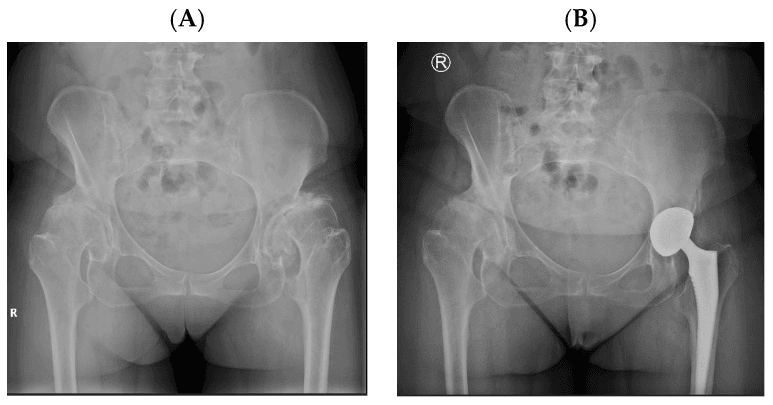
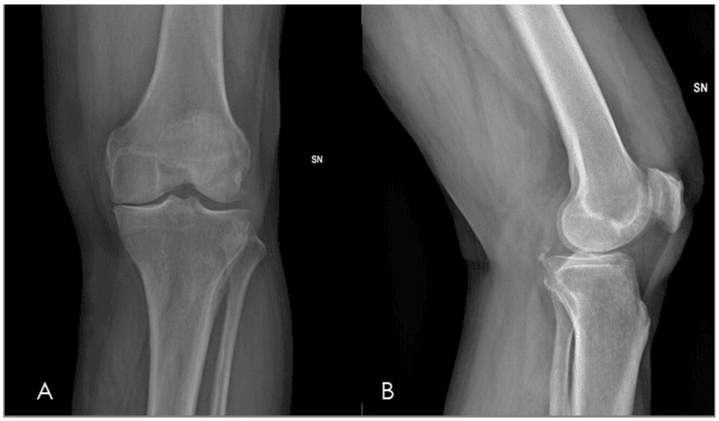
Advanced changes. Sclerosis becomes visible on radiographs, subchondral cysts (geodes) form, bone marrow lesions appear on MRI, and osteophytes grow at the joint margins.
- Mechanism
- Increased bone formation over resorption
- Clinical Consequence
- Increased stiffness, reduced shock absorption
- Imaging
- Dense white bone on X-ray
- Mechanism
- Fluid intrusion through cracks or focal necrosis
- Clinical Consequence
- Structural weakness, pain
- Imaging
- Lucent areas on X-ray
- Mechanism
- Microdamage, oedema, ischaemia
- Clinical Consequence
- Strong pain correlation
- Imaging
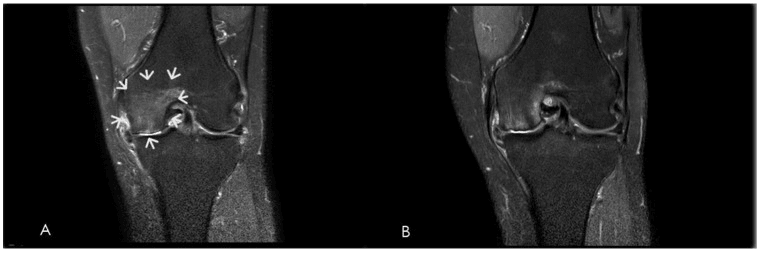
- High T2 signal on MRI
- Mechanism
- Endochondral ossification at margins
- Clinical Consequence
- Stiffness, impingement
- Imaging
- Bony projections on X-ray
Why stiffer bone matters. Sclerotic bone is denser, with thickened trabeculae, and stiffer. It absorbs shock less well and passes more load to the cartilage above it.
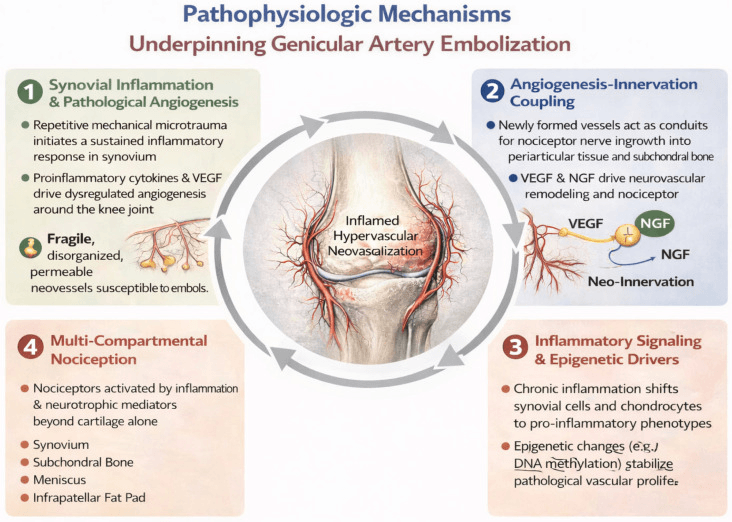
Angiogenesis. The subchondral bone also shows increased vascularity, with neurovascular invasion.
Bone Marrow Lesions (BMLs)
BMLs are areas of high signal on T2-weighted or STIR MRI, representing bone marrow oedema, microfracture, ischaemia or necrosis. They correlate strongly with knee pain severity and predict progression of cartilage loss. Unlike structural damage, they fluctuate over time, and they may respond to bone-targeted therapies.
Treating the bone. Bisphosphonates may reduce BML size and pain, and unloading (for example a valgus brace for medial BMLs) may help. Targeting bone may be as important as targeting cartilage.
Synovial Inflammation
Low-Grade Synovitis
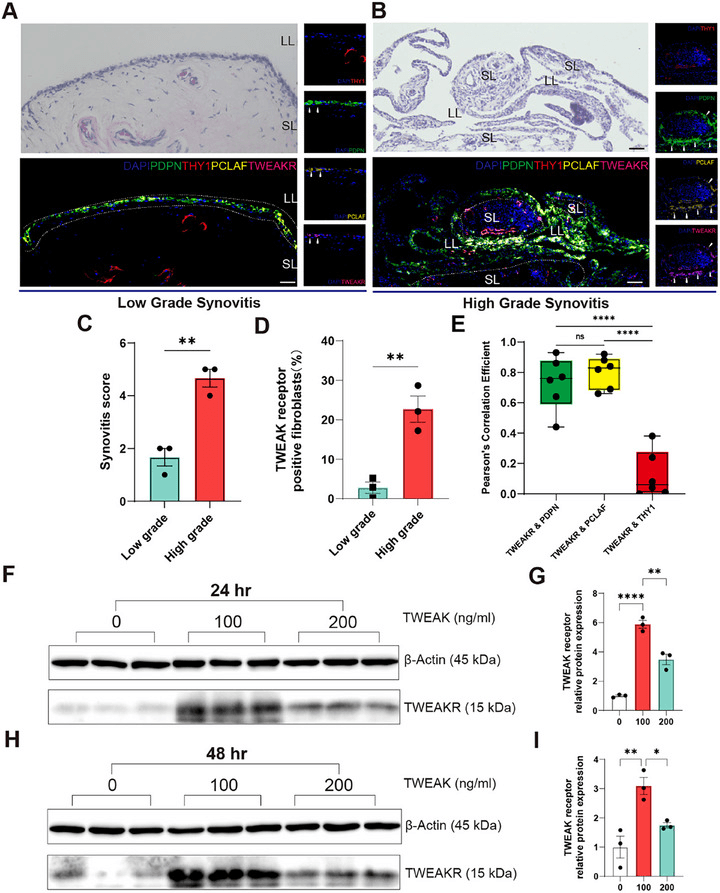
OA synovium shows chronic low-grade inflammation, distinct from rheumatoid arthritis but still contributing to symptoms and progression, even without infection.
The membrane. The synovium thickens to 2-3 times normal, and the lining layer, normally 1-2 cells thick, becomes 4-10. Macrophages and lymphocytes infiltrate, vascularity increases, and the sublining shows fibrosis and inflammation. Matrix fragments (wear particles) are released and the complement cascade is activated.
What it releases. The inflamed synovium produces cytokines (IL-1β, TNF-α, IL-6, IL-8), chemokines (MCP-1, RANTES), growth factors (VEGF and nerve growth factor, NGF) and enzymes (MMPs, ADAMTS, hyaluronidase).
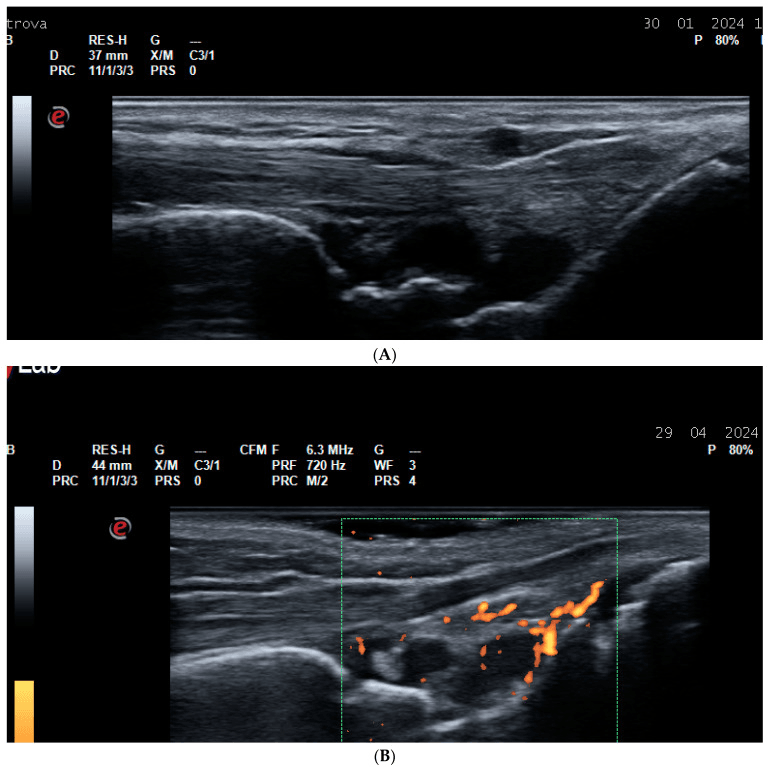
Synovial inflammation correlates with pain more strongly than cartilage loss. Power Doppler ultrasound or contrast MRI detecting synovitis predicts which patients will have pain. This explains why some patients with severe radiographic OA have minimal symptoms (low synovitis) while others with mild radiographic changes have severe pain (high synovitis).
Complement Activation
The complement system, classically associated with immune responses, is activated in OA synovium and contributes to tissue damage. Cartilage degradation products trigger the alternative pathway, generating C5a and the membrane attack complex (MAC); the result amplifies the inflammatory response and contributes to synovial and cartilage damage. Complement inhibitors are being investigated as potential DMOADs.
Where Does OA Pain Come From? (Cartilage Is Painless)
Cartilage cannot hurt. Articular cartilage is aneural and avascular, so thinning or full-thickness loss is intrinsically painless. That is why a "bone-on-bone" radiograph can be near-symptomless, and why cartilage-centric endpoints, and cartilage-growing drugs such as sprifermin, do not track pain.
The innervated structures. Pain arises from the rest of the joint organ:
- Subchondral bone - bone marrow lesions, raised intraosseous pressure, microfracture and sensory nerve ingrowth
- Synovium - synovitis, effusion and released cytokines and NGF sensitise nociceptors
- Periosteum over osteophytes, and the stretched capsule and ligaments
Nerve growth factor. NGF is upregulated in the OA joint and drives peripheral sensitisation.
Central sensitisation. Chronic nociceptive input remodels spinal and central pain processing, so pain can persist and spread out of proportion to structural damage. It is a major reason for the structure-symptom disconnect.
Q: Why did anti-NGF both relieve pain and damage joints? A: NGF drives nociception, so anti-NGF (tanezumab) relieves pain but, by removing the protective pain limit on loading, caused rapidly progressive OA.
Differential Diagnosis of Arthropathy
Distinguishing OA from inflammatory and crystal arthropathies is a recurring viva and MCQ theme. OA is mechanically driven with low-grade catabolic inflammation, and its synovial fluid is non-inflammatory; the comparison is with immune-mediated and crystal-driven disease.
- Osteoarthritis
- Mechanical + low-grade catabolic inflammation
- Rheumatoid Arthritis
- Autoimmune synovial pannus (T/B cell, TNF/IL-6)
- Gout / CPPD
- Crystal-induced innate inflammation (NLRP3, IL-1beta)
- Osteoarthritis
- DIP, 1st CMC, hips, knees, weight-bearing
- Rheumatoid Arthritis
- MCP, PIP, wrists, symmetrical small joints
- Gout / CPPD
- 1st MTP (gout), knee/wrist (CPPD)
- Osteoarthritis
- Less than 30 min, worse after activity
- Rheumatoid Arthritis
- Over 60 min morning stiffness
- Gout / CPPD
- Acute attacks, rapid onset
- Osteoarthritis
- Under 2000/mm3 (non-inflammatory)
- Rheumatoid Arthritis
- Over 2000, often over 50000/mm3 inflammatory
- Gout / CPPD
- Inflammatory; negatively (urate) or positively (CPPD) birefringent crystals
- Osteoarthritis
- JSN, osteophytes, sclerosis, subchondral cysts
- Rheumatoid Arthritis
- Periarticular osteopenia, erosions, symmetric JSN
- Gout / CPPD
- Erosions with overhanging edges (gout); chondrocalcinosis (CPPD)
- Osteoarthritis
- Absent; CRP normal/mildly raised
- Rheumatoid Arthritis
- RF, anti-CCP positive; raised CRP/ESR
- Gout / CPPD
- Hyperuricaemia (gout); metabolic associations (CPPD)
Clinical Relevance and Therapeutic Targets
Current Therapeutic Landscape
No disease-modifying drug. No disease-modifying OA drug (DMOAD) has been approved despite extensive research, so current treatments are symptomatic and joint replacement remains definitive for end-stage disease. The mechanisms explain the limits of what is available:
- NSAIDs - COX-2 inhibition reduces pain but does not slow progression; they are anti-inflammatory, not anti-catabolic
- Viscosupplementation (hyaluronic acid) - modest, short-term benefit, limited in duration because it does not address the underlying catabolism
- Corticosteroid injection - anti-inflammatory, temporary relief
- Analgesics - paracetamol, tramadol
Investigational targets. The same mechanisms guide the development of biologics, senolytics and targeted therapies.
- Anti-NGF antibodies - reduced pain, with safety concerns over joint damage and fractures
- FGF-18 (sprifermin) - early promise for cartilage regeneration, though the thickness gain has not brought symptom benefit
- Wnt pathway inhibitors - target aberrant signalling
- Senolytics - clear senescent cells
Emerging Concepts
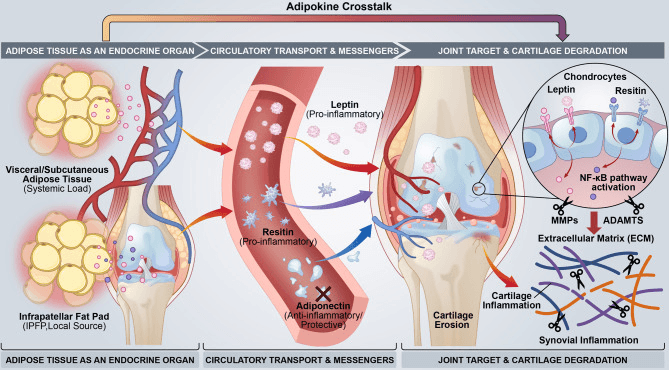
Metabolic OA. Obesity contributes through metabolic mechanisms (adipokines, inflammation), not just mechanical overload. Leptin, adiponectin and resistin from adipose tissue promote OA.
Genetic risk. Genetic risk scores may predict progression and guide personalised therapies.
Microbiome. There is emerging evidence that the gut microbiome influences OA via systemic inflammation, and dysbiosis may contribute to disease.
Guidelines, Registries & Global Practice
Global Epidemiology
- OA is the most common joint disease worldwide and a leading global cause of years lived with disability; the knee is the most affected large joint.
- Prevalence rises steeply with age and is higher in women, particularly after menopause; obesity is the strongest modifiable risk factor.
- OA is the dominant indication for hip and knee arthroplasty across major joint registries (NJR, AJRR, AOANJRR, SHAR, NZJR), accounting for the large majority of primary procedures.
- Burden is rising globally with population ageing and rising obesity, with growing impact in low- and middle-income countries.
Guidelines Compared (Management Principles)
- Core-Recommended (Strong)
- Exercise, weight management, self-management for all
- Position on Pharmacotherapy / Injections
- Topical/oral NSAIDs core; intra-articular corticosteroid conditional; strongly against opioids
- Core-Recommended (Strong)
- Therapeutic exercise, weight loss, education first-line
- Position on Pharmacotherapy / Injections
- Topical NSAIDs (knee) preferred; oral NSAIDs lowest effective dose; against glucosamine and hyaluronic acid injection
- Core-Recommended (Strong)
- Exercise, weight loss, NSAIDs (strong evidence)
- Position on Pharmacotherapy / Injections
- Against hyaluronic acid for knee OA; corticosteroid injection limited/short-term
- Core-Recommended (Strong)
- Land-based exercise, weight loss, patient education
- Position on Pharmacotherapy / Injections
- Topical/oral NSAIDs; intra-articular corticosteroid conditional; duloxetine option for chronic pain
There is broad international agreement that core non-pharmacological treatment (exercise, weight loss, education) precedes drugs, that no pharmacological agent is disease-modifying, and that arthroscopic lavage/debridement is not recommended for OA. Divergence is mainly over hyaluronic acid (against in NICE/AAOS) and the weight given to intra-articular corticosteroid.
Sourcing for the table above. The OARSI row is drawn from Bannuru et al, OARSI guidelines for the non-surgical management of knee, hip, and polyarticular osteoarthritis, Osteoarthritis Cartilage 2019;27(11):1578-1589 (PMID 31278997), which designates arthritis education and structured land-based exercise as Core Treatments, strongly recommends topical NSAIDs for knee OA, and places intra-articular hyaluronic acid at Level 1B/2 for the knee depending on comorbidity while not recommending it for hip or polyarticular disease. The NICE, AAOS and ACR/EULAR rows summarise the positions of those bodies' own published osteoarthritis guidelines; guideline editions are revised, so confirm against the current version before quoting a position clinically.
Registry & Research Notes
- Joint registries confirm OA as the overwhelming primary indication for arthroplasty and provide long-term implant survival data informing end-stage decision-making.
- DMOAD development is global: ADAMTS-5/aggrecanase inhibitors, FGF-18 (sprifermin), Wnt inhibitors and senolytics are in trials across multiple regions, but none is approved.
Related pages: Knee Osteoarthritis and Hip Osteoarthritis for the clinical assessment and management this mechanism underpins; Articular Cartilage Structure for the normal matrix whose failure is described here, and Cartilage Healing and Repair for why the tissue cannot restore it; Synovial Fluid and Synovium for the low-grade synovitis that predicts pain better than cartilage loss; and Crystalline Arthropathy and Inflammatory Arthritis for the arthropathies the differential on this page separates OA from.
High- vs Limited-Resource Practice Variation
- High-resource settings: ready access to MRI phenotyping, intra-articular therapies, and timely arthroplasty for end-stage disease.
- Limited-resource settings: emphasis on low-cost high-value interventions (structured exercise, weight loss, simple analgesia); imaging often limited to plain radiographs, and arthroplasty access may be constrained—making conservative, non-operative optimisation especially important.
Controversies & Areas of Uncertainty
OA pathophysiology remains an active research field, and examiners use its unresolved debates to test depth of understanding.
Bone or cartilage first? Whether subchondral bone change initiates cartilage loss or follows it is unresolved. BMLs predict structural progression and subchondral cysts (MOST data), and bone turnover changes are early, supporting a primary bone role. But the crosstalk is bidirectional, so neither is purely cause nor effect and both contribute to progression.
Inflammatory or mechanical phenotype? OA is increasingly viewed as multiple phenotypes: post-traumatic, metabolic/obesity, ageing/senescence and inflammatory. Whether these warrant distinct targeted therapies, and how to stratify patients at the bedside, is unsettled.
Why have DMOAD trials failed? IL-1 inhibition foundered on pathway redundancy. Sprifermin increased cartilage thickness without symptom benefit, the structure-symptom disconnect, and anti-NGF therapy improved pain but caused rapidly progressive OA. The right endpoint and target population remain debated.
Structure-symptom discordance. Radiographic severity correlates poorly with pain. Synovitis, BMLs and central sensitisation likely explain much of the symptom burden, challenging the cartilage-centric outcome measures used in trials.
MCQ Practice Points
Q: What is the primary catabolic cytokine driving cartilage degradation in OA? A: Interleukin-1 beta (IL-1beta) - Upregulates MMP-13 and ADAMTS-4/5, downregulates matrix synthesis via NF-kappaB and MAPK pathways. TNF-alpha synergizes but IL-1 is the master regulator.
Q: Which matrix metalloproteinase is the primary collagenase in OA cartilage degradation? A: MMP-13 - Specifically cleaves collagen type II, the main structural protein of articular cartilage. Highly upregulated in OA chondrocytes by IL-1beta.
Q: What do bone marrow lesions (BMLs) on MRI represent and what is their clinical significance? A: Areas of edema, microfracture, and ischemia in subchondral bone, appearing as high signal on T2/STIR. Strongly correlate with pain severity and predict cartilage loss progression.
Q: What is SASP and how does it contribute to OA? A: Senescence-Associated Secretory Phenotype - Senescent chondrocytes secrete pro-inflammatory factors (IL-6, IL-8, MMPs) that drive chronic inflammation and tissue degradation. Targetable with senolytics.
Q: Which enzymes are primarily responsible for aggrecan degradation in OA? A: ADAMTS-4 (aggrecanase-1) and ADAMTS-5 (aggrecanase-2) - Cleave the aggrecan core protein at specific sites. Proteoglycan loss is an early event in OA before collagen degradation.
Exam Viva Scenarios
Practise clinical reasoning and management decisions out loud
“Examiner asks: Explain why osteoarthritis is now considered a disease of the whole joint, not just cartilage.”
“A researcher colleague asks why chondrocytes form cell clusters in OA but still fail to repair the damaged cartilage effectively.”
“Examiner asks: Despite decades of research and clear molecular targets, no disease-modifying OA drug is approved. Explain why DMOAD development has been so difficult, using specific trial examples.”
Whole Joint Disease Components
- Cartilage: catabolic-anabolic imbalance (3-5x degradation)
- Bone: sclerosis, BMLs, cysts, 40% volume increase
- Synovium: low-grade inflammation, 2-3x thickness
- Soft tissues: meniscal degeneration, osteophytes
Key Molecular Mediators
- IL-1beta = master catabolic cytokine (upregulates MMPs)
- MMP-13 = primary collagenase (cleaves collagen II)
- ADAMTS-4/5 = aggrecanases (cleave aggrecan core)
- TNF-alpha = synergizes with IL-1beta
Cartilage Changes
- Early: proteoglycan loss, water content increases to 80%
- Intermediate: surface fibrillation, chondrocyte clusters
- Advanced: full-thickness loss, chondrocyte apoptosis
- Failed repair: inferior matrix (type I collagen)
Subchondral Bone Changes
- Sclerosis = increased bone density and stiffness
- BMLs = edema on MRI, correlate with pain
- Cysts = fluid intrusion through cracks
- May precede or follow cartilage loss (bidirectional)
Cellular Pathology
- Chondrocyte clusters = failed repair attempts
- Senescent cells accumulate with age
- SASP = senescence secretory phenotype (IL-6, IL-8, MMPs)
- Hypertrophic differentiation = type X collagen, MMP-13
Key Evidence and Targets
- Glasson 2005: ADAMTS-5 is primary aggrecanase (Nature)
- Crema/MOST 2010: BMLs predict subchondral cysts (OR 12.9)
- Jeon 2017: Senolytics attenuate post-traumatic OA in mice
- Sprifermin/Tanezumab: structure or pain gain but not approved DMOADs
Evidence Base
ADAMTS-5 Is the Primary Aggrecanase in OA (Landmark)
- Mice with deletion of the ADAMTS-5 catalytic domain were studied after surgically induced joint instability
- ADAMTS-5 knockout mice showed significantly reduced cartilage destruction versus wild-type
- First single-gene deletion shown to abrogate the course of cartilage destruction in an OA model
- Identified ADAMTS-5 (aggrecanase-2) as the primary aggrecanase responsible for aggrecan degradation
Inflammation in Osteoarthritis (Mechanistic Review)
- Stress and proinflammatory signals shift quiescent chondrocytes to a catabolic phenotype
- Multiple pathways converge on upregulation of aggrecanases and collagenases, especially MMP-13
- Proinflammatory factors arise from chondrocytes and synovium even without overt inflammation
- Key transcription factors include NF-kappaB, C/EBPbeta, ETS, Runx2 and HIF-2alpha
Senescent Cell Clearance Attenuates Post-Traumatic OA
- Senescent cells accumulated in articular cartilage and synovium after ACL transection in mice
- Selective elimination of senescent cells attenuated post-traumatic OA, reduced pain and increased cartilage
- Intra-articular senolytic injection validated the effect in transgenic, non-transgenic and aged mice
- Removing senescent cells from human OA chondrocytes reduced inflammatory markers and increased matrix genes