Stem Cells & Mesenchymal Stromal Cells (MSCs) in Orthopaedics
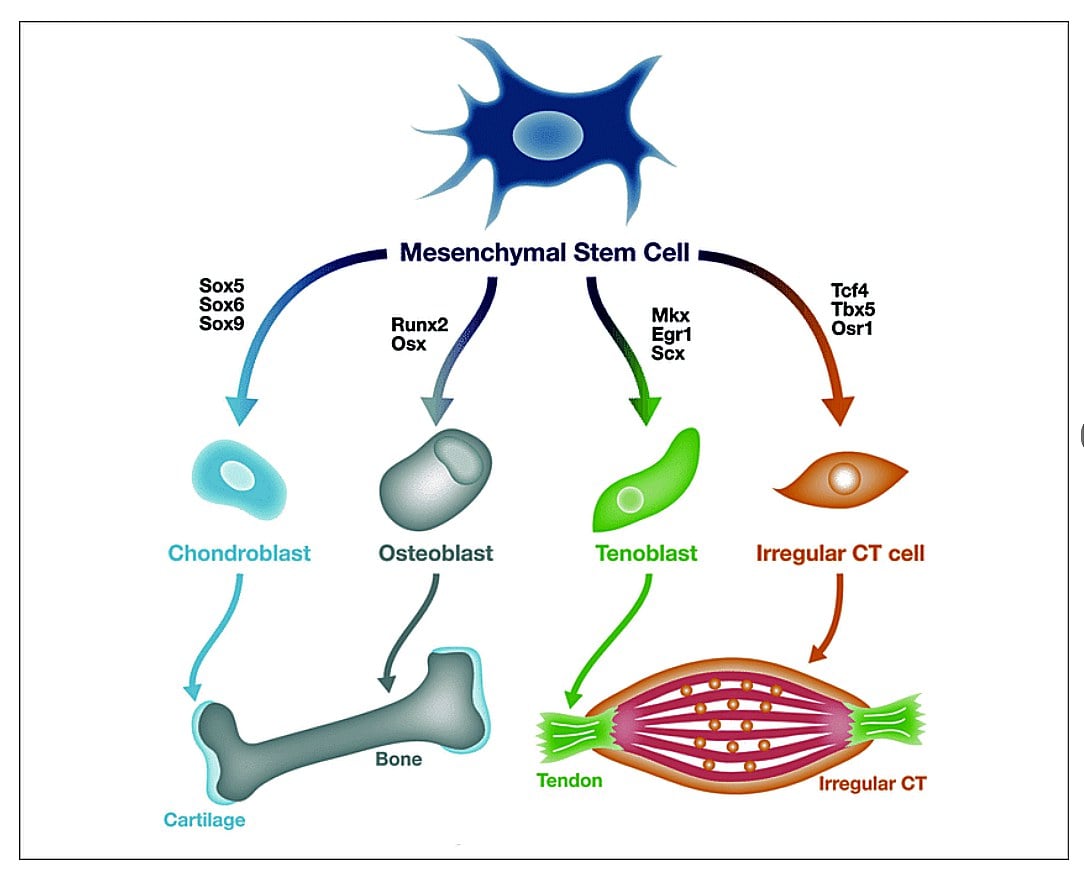
MSCs were thought to home to injury, engraft, and directly become large amounts of new bone or cartilage. In practice, long-term engraftment is limited.
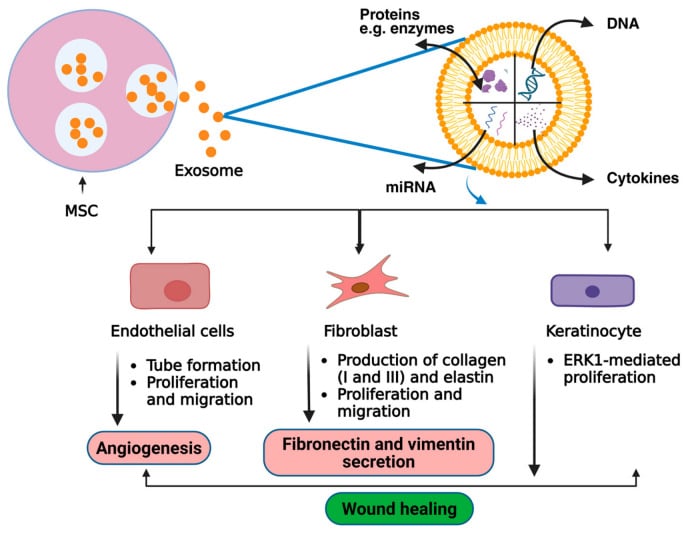
MSCs act largely by paracrine and immunomodulatory signalling - secreting growth factors, cytokines and extracellular vesicles that recruit and activate host cells and dampen inflammation (hence the term "medicinal signalling cells").
MSC-79
Hook:MSC = adherent, CD73/90/105 positive, haematopoietic-marker negative, trilineage capable.
SIGNAL
Hook:MSCs SIGNAL more than they build - paracrine and immunomodulatory, not bulk engraftment.
Overview & Introduction
Regenerative medicine is a recurring basic-science viva theme, and "stem cells" is where candidates most often go wrong by overstating what the cells do. The disciplined way to hold this topic is three layers: the definitions (what a stem cell is, the potency hierarchy, and the precise ISCT criteria that make a cell an MSC), the mechanism (the modern paracrine/immunomodulatory model — "medicinal signalling cells" — rather than engraftment), and the honest clinical reality (minimally-manipulated BMAC versus tightly-regulated culture-expanded products, with heterogeneous, largely early-phase evidence). Get those three right and you can answer almost any examiner question — and avoid the trap of claiming MSCs regrow tissue by becoming it.
Concepts: The Stem-Cell Hierarchy
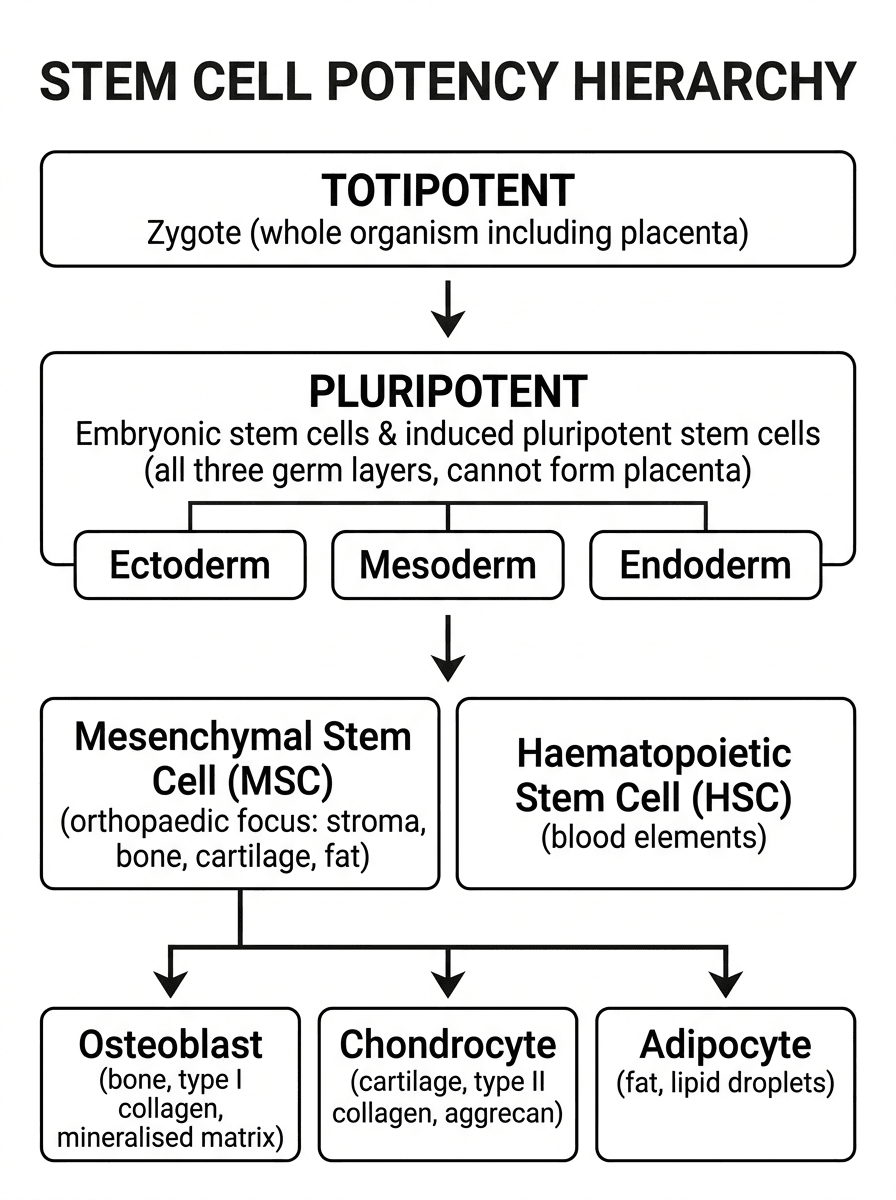
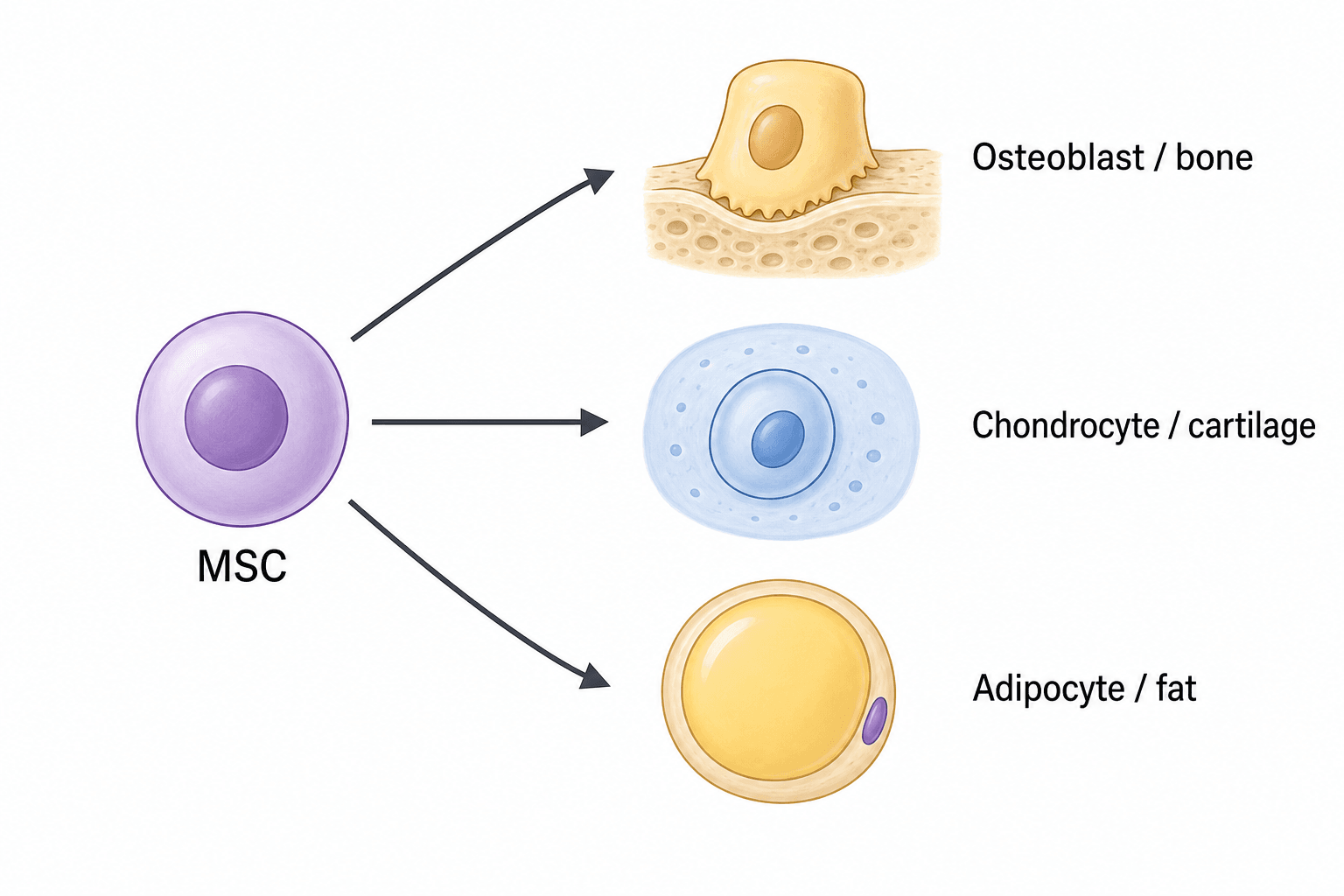
A stem cell has two defining properties: self-renewal (it can divide to make more of itself) and differentiation (it can become specialised cell types). Potency grades this capacity: totipotent (whole organism incl. placenta) → pluripotent (all three germ layers - embryonic stem cells, and induced pluripotent stem cells (iPSCs) reprogrammed from adult cells) → multipotent (restricted lineages, e.g. mesenchymal and haematopoietic stem cells) → unipotent (one lineage). Orthopaedic regenerative medicine works with adult multipotent MSCs, avoiding the ethical and tumorigenicity concerns of embryonic/pluripotent cells.
What Is an MSC? (ISCT Criteria)
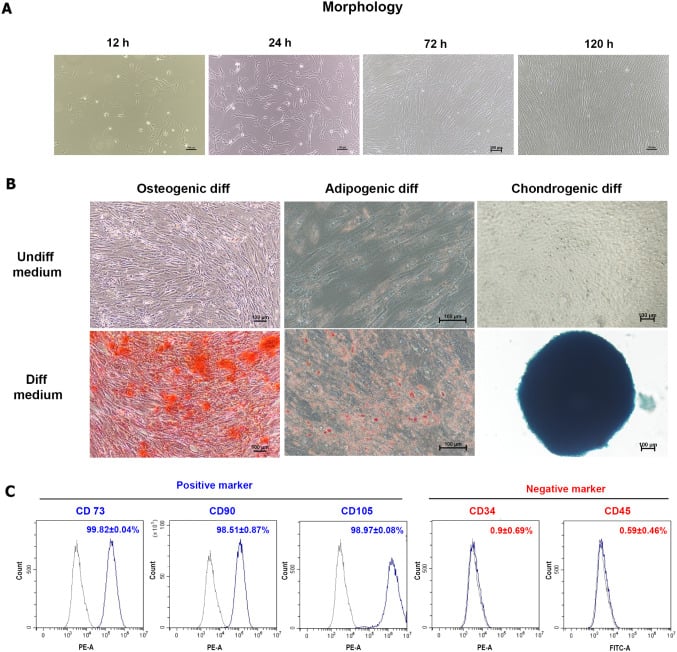
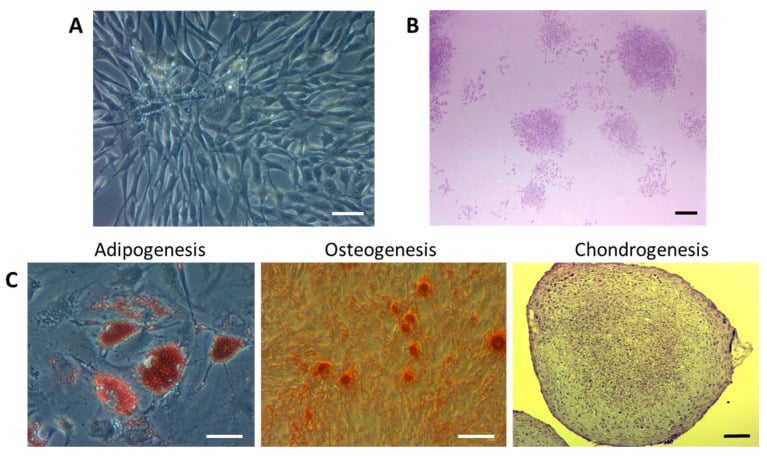
Because "MSC" had been used loosely, the International Society for Cellular Therapy (ISCT) set minimal criteria for a multipotent mesenchymal stromal cell:
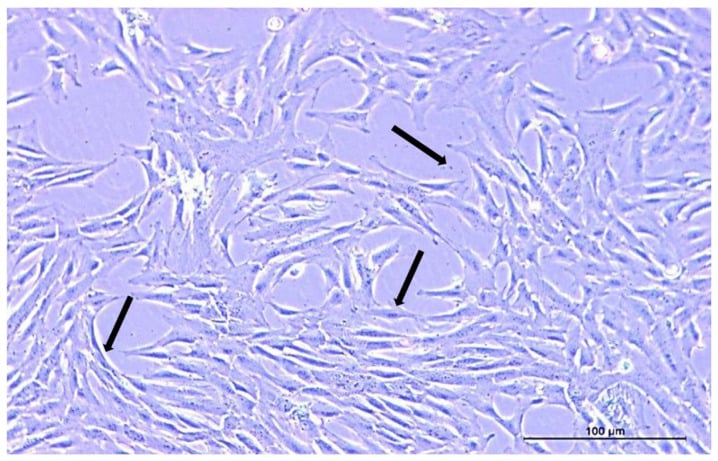
- Plastic adherence in standard culture.
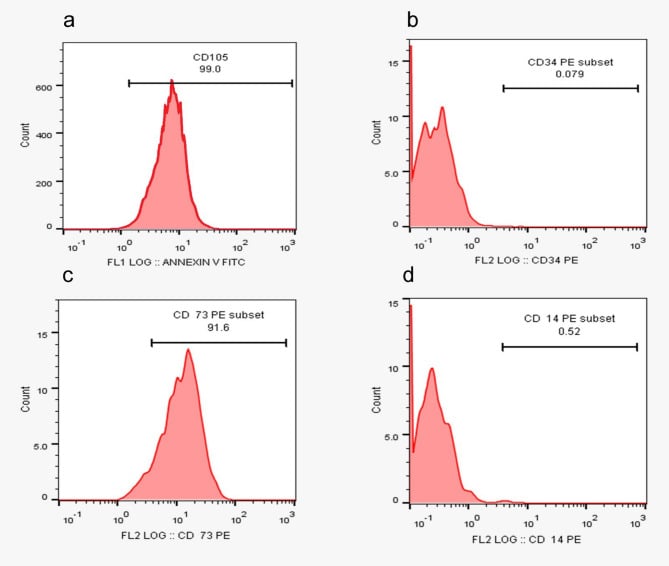
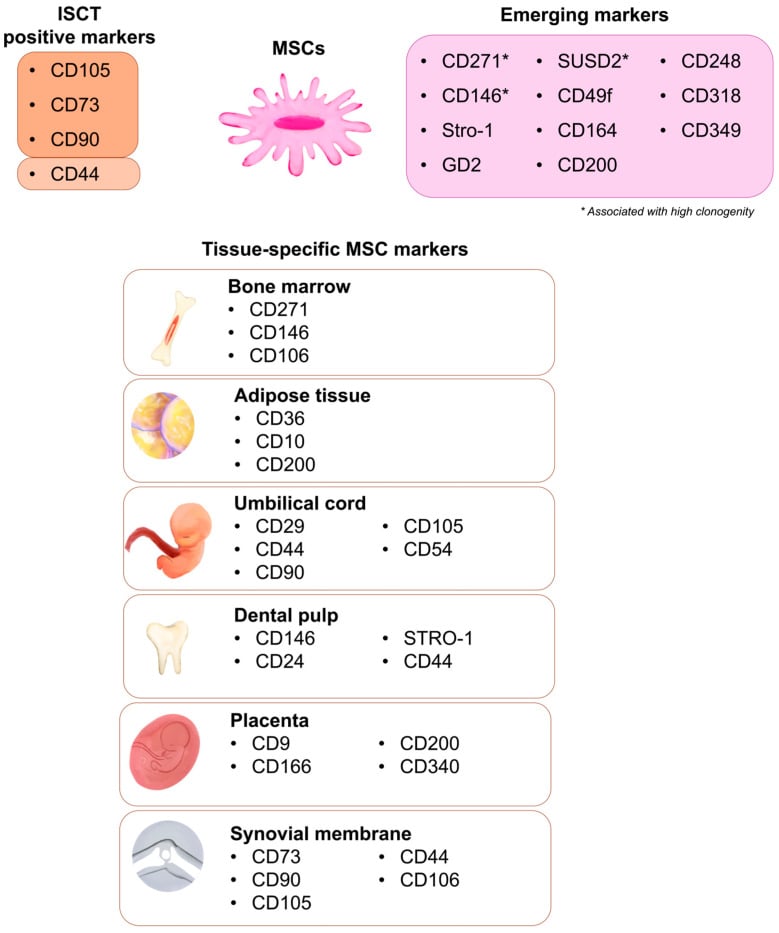
- Surface marker profile - POSITIVE for CD73, CD90, CD105; and NEGATIVE for the haematopoietic/endothelial markers CD45, CD34, CD14 (or CD11b), CD79a (or CD19) and HLA-DR.
- Trilineage differentiation in vitro into osteoblasts, chondrocytes and adipocytes.
Sources & Mechanism of Action
- Bone marrow (BM-MSCs) - the classic source (iliac crest aspirate); well-characterised but MSCs are a small fraction of marrow cells.
- Adipose tissue (AD-MSCs) - abundant and easily harvested by lipoaspiration; high yield.
- Umbilical cord / Wharton's jelly and perinatal tissues - young, proliferative cells; a potential "off-the-shelf" allogeneic source, though differentiation is less consistent than BM-MSCs.
- Others: synovium, periosteum, dental pulp, muscle.
"A small fraction of marrow" is examinable as actual numbers and method:
- CFU-F assay (colony-forming unit-fibroblast): the standard functional quantification — marrow cells plated at low density, and each MSC forms a discrete adherent fibroblastic colony, so the colony count estimates MSC frequency and clonogenicity.
- MSCs are rare: roughly 1 in 10,000 to 100,000 marrow nucleated cells (about 0.001-0.01%), and their number and potency DECLINE with donor age and comorbidity — directly relevant because the typical BMAC/OA patient is older, so an autologous concentrate yields fewer, less potent cells.
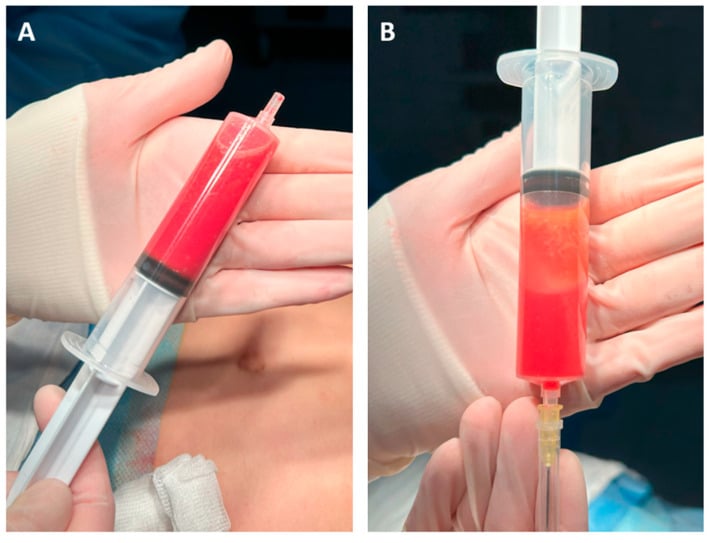
- Harvest technique determines yield: aspirate small volumes (~2 mL per site) and reposition the needle to multiple sites on the iliac crest, because a large single-site aspiration dilutes the sample with peripheral blood and lowers the MSC concentration — the practical reason BMAC counts are so variable.
Clinical Applications & Caveats
- Form used
- BMAC, AD-MSCs (+/- scaffold)
- Evidence status
- Promising, mostly early-phase/heterogeneous
- Form used
- BMAC, adipose-derived
- Evidence status
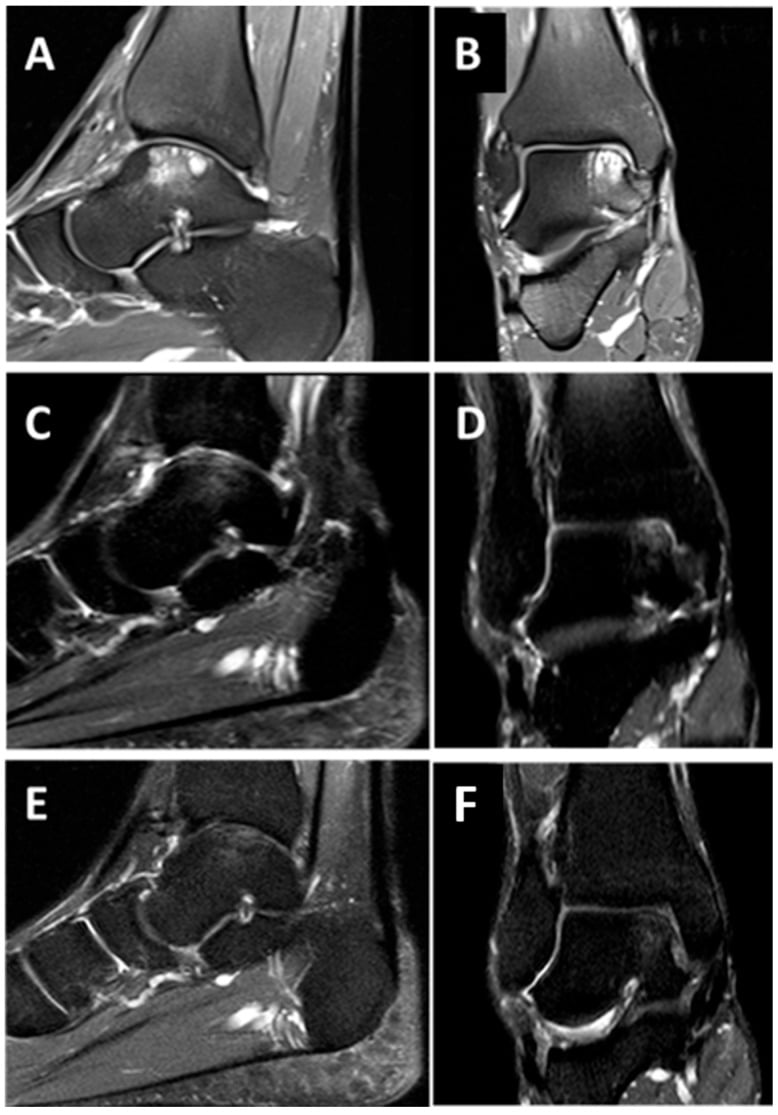
- Level 1 symptomatic benefit, no structural benefit: in 261 patients with K-L grade 3, culture-expanded ADMSCs beat placebo on VAS (25.2 vs 15.5) and WOMAC (21.7 vs 14.3) at 6 months, while MRI showed no difference in cartilage defects
- Form used
- BMAC, MSC + graft/scaffold
- Evidence status
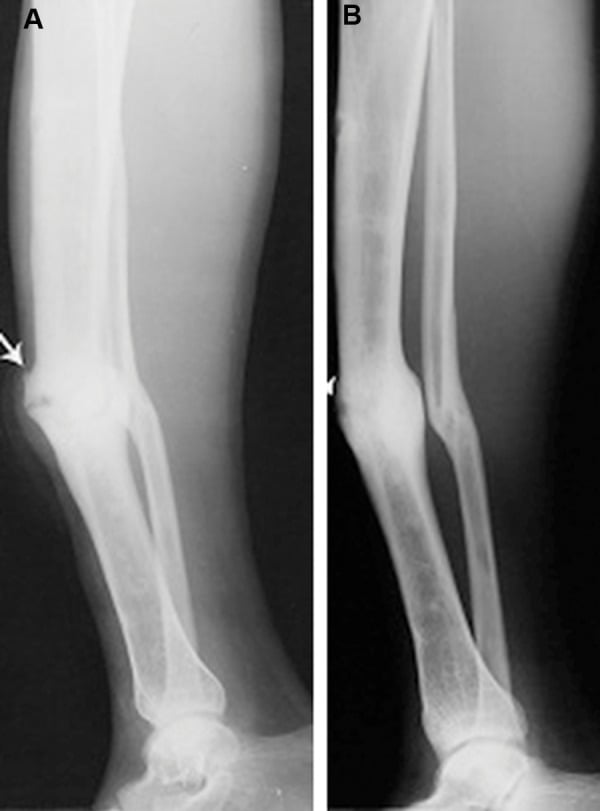
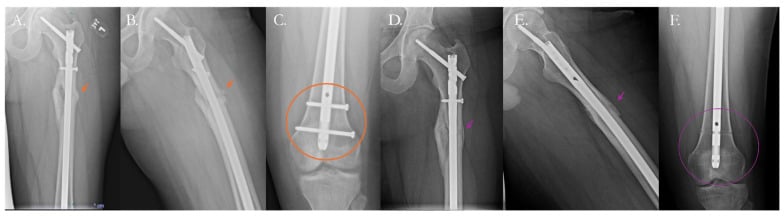
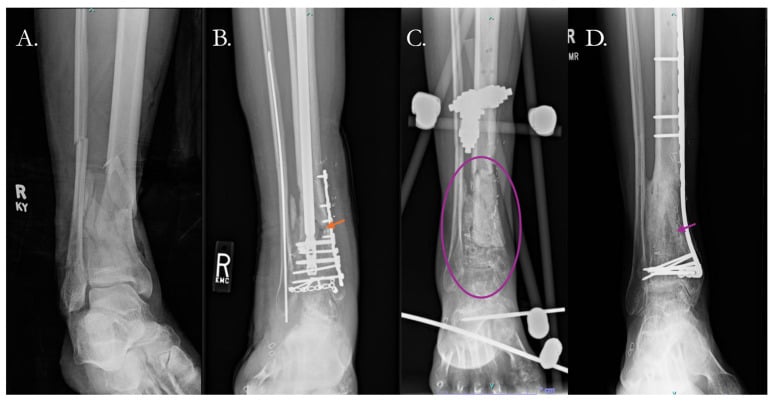
- Effective, and DOSE-DEPENDENT: union in 53 of 60 atrophic tibial nonunions, but the seven failures received marrow of significantly lower progenitor concentration (634 vs over 1500 per cm3, p=0.001)
- Form used
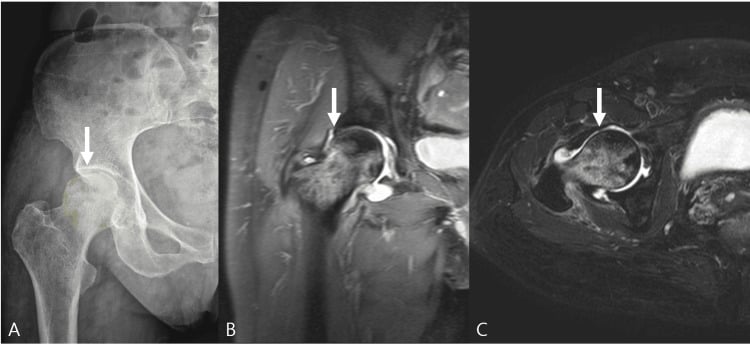
- Core decompression + BMAC
- Evidence status
- Some benefit in early (pre-collapse) disease
- Form used
- MSC-based
- Evidence status
- Investigational
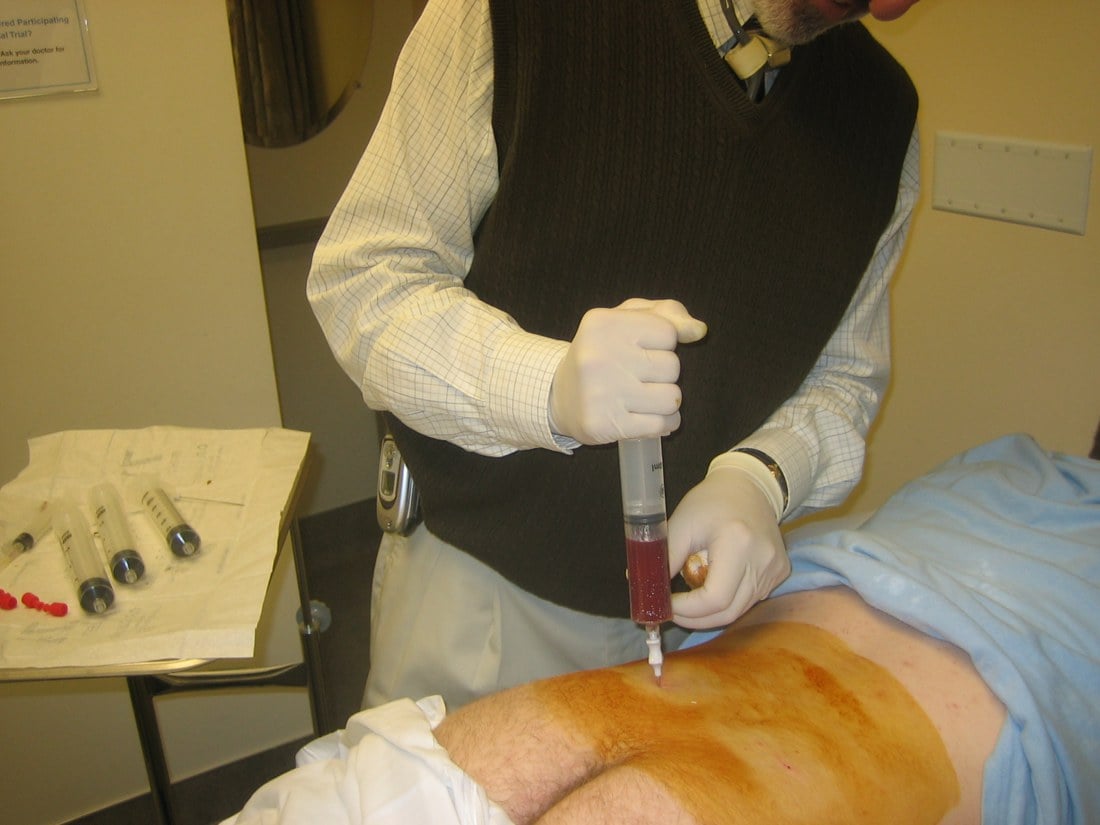
A crucial distinction is minimal manipulation versus culture expansion. Point-of-care BMAC (concentrated, same-procedure, minimally manipulated) is regulated more permissively, whereas culture-EXPANDED MSCs are classified as advanced-therapy medicinal products / cell-therapy products and are tightly regulated (e.g. by the FDA and EMA). The overall evidence is heterogeneous and largely early-phase, products and dosing are not standardised, and direct-to-consumer "stem-cell clinics" frequently make claims that outstrip the evidence (with safety concerns). The mature position is cautious, evidence-guided use with honest counselling about the investigational status of most indications.
For the nonunion/bone-defect application, examiners want MSCs placed within graft biology — the three properties of a bone graft:
- Osteogenesis — living cells (osteoblasts/MSCs) that directly form bone: this is precisely what MSCs/BMAC supply (autograft and marrow are osteogenic; allograft and synthetics are not).
- Osteoinduction — signals (notably BMPs, plus TGF-β/IGF) that recruit and drive host MSCs down the osteoblastic line.
- Osteoconduction — a passive scaffold (cancellous autograft, allograft, ceramics) for vascular and cellular ingrowth.
These map onto the Diamond Concept of fracture/nonunion healing — osteogenic cells + osteoconductive scaffold + osteoinductive growth factors + mechanical stability (+ adequate vascularity) — all of which must be present. MSCs/BMAC are the cellular (osteogenic) arm, which is why they are used as an adjunct combined with a graft/scaffold and stable fixation in nonunion, not as a stand-alone cure.
Clinical Decision Scenarios
Practise clinical reasoning and management decisions out loud
“What is a mesenchymal stromal cell, how is it defined, and how does it differ from a pluripotent stem cell?”
“A patient asks for a 'stem-cell injection' for knee osteoarthritis. How do MSCs actually work, what would you offer, and what caveats would you give?”
Hierarchy
- Toti- → pluri- (ESC/iPSC) → multi- (MSC, haematopoietic) → unipotent
- Stem cell = self-renewal + differentiation
- Orthopaedics uses adult multipotent MSCs
ISCT MSC definition
- Plastic adherence
- CD73+/CD90+/CD105+; CD45-/CD34-/CD14(11b)-/CD79a(19)-/HLA-DR-
- Trilineage: osteoblast, chondrocyte, adipocyte
Sources & mechanism
- Bone marrow (classic), adipose (abundant), umbilical cord/Wharton's jelly
- Mechanism mainly paracrine/immunomodulatory ('medicinal signalling cells')
- Limited long-term engraftment
Clinical & caveats
- BMAC/adipose for cartilage/OA/nonunion/early osteonecrosis (with core decompression)
- Minimally-manipulated (BMAC) vs culture-expanded (advanced-therapy, regulated)
- Evidence heterogeneous/early-phase; not standardised; beware unregulated clinics
Evidence & Key Studies
The five cards below are chosen to answer four different questions rather than to oversell efficacy. Dominici gives the definition - all three ISCT criteria, not merely a marrow aspirate. Klontzas shows that the source matters: umbilical-cord MSCs share the phenotype but differentiate less consistently than bone-marrow MSCs, so "MSC" is not one standardised product. Li shows that the joint inflammatory microenvironment governs the result - in an inflamed milieu MSCs differentiate aberrantly and chondrocytes dedifferentiate to fibroblast-like cells, yielding mechanically poor fibrocartilage, which is why the modern model is immunomodulatory rather than structural. Then the two clinical papers, which between them define the honest position. Kim is the highest-quality efficacy evidence in the field and separates symptom relief, which is real, from cartilage repair, which was not demonstrated. Hernigou shows that where cell therapy does work well - atrophic nonunion - it behaves like a dose rather than a procedure, and that the progenitor count predicts union, callus volume and speed of healing. Read together: the basic science is solid; symptomatic benefit in osteoarthritis is established but modest; structural regeneration in a joint remains unproven; and the one setting with a demonstrated dose-response is bone healing, where the cells are being asked to do something marrow cells normally do.
Minimal criteria for defining multipotent mesenchymal stromal cells. The International Society for Cellular Therapy position statement
- ISCT position statement establishing the three minimal criteria that define a human MSC
- (1) plastic adherence in standard culture; (2) CD105/CD73/CD90 positive and CD45/CD34/CD14 or CD11b/CD79a or CD19/HLA-DR negative; (3) trilineage differentiation to osteoblasts, adipocytes and chondroblasts
- Created to standardise characterisation so that studies using different isolation/expansion methods could be compared
Bone and cartilage regeneration with the use of umbilical cord mesenchymal stem cells
- MSCs can be isolated from umbilical cord (Wharton's jelly, perivascular tissue, blood) and share phenotypic features with bone-marrow-derived MSCs.
- Their osteogenic and chondrogenic differentiation is less consistent than that of bone-marrow MSCs across studies.
- Further work with scaffolds, growth factors and culture technology is needed before they can replace BM-MSCs clinically - illustrating that source matters and standardisation is lacking.
The immune microenvironment in cartilage injury and repair
- The inflammatory microenvironment after cartilage injury drives chondrocyte death/hypertrophy and matrix breakdown, and progression to osteoarthritis.
- In an inflammatory milieu MSCs undergo aberrant differentiation and chondrocytes dedifferentiate to fibroblast-like cells, yielding mechanically poor fibrocartilage.
- The immune response is NOT purely destructive: the authors emphasise both negative and positive regulation - proinflammatory factors clear necrotic cartilage early, and during repair immune cells secrete anti-inflammatory factors and chondrogenic cytokines that promote healing. It is PERSISTENT inflammation that degrades matrix and drives aberrant MSC differentiation.
- Successful cartilage regeneration therefore requires multi-dimensional regulation of the joint inflammatory microenvironment in SPACE AND TIME - not blanket suppression - underscoring the immunomodulatory rather than purely structural role of cell therapy.