Teriparatide
Overview
Teriparatide is the first and best-known anabolic (bone-building) drug for osteoporosis. Almost every other osteoporosis treatment is anti-resorptive: it slows the cells that break bone down. Teriparatide switches on the cells that build bone up, so it can rebuild a depleted skeleton rather than simply preserve what remains.
The molecule. Natural parathyroid hormone is 84 amino acids long. Teriparatide is recombinant human PTH 1-34, the first 34 amino acids, which form the active N-terminal portion that carries the hormone's activity. It is given as a once-daily subcutaneous injection for a limited period, and this is the textbook definition examiners want first.
Where it turns up. It appears across the exam and orthopaedic practice precisely because it is the odd one out. In basic-science vivas it is the go-to example of an anabolic drug and the home of the intermittent-versus-continuous PTH paradox, a favourite way to test whether a candidate understands bone biology rather than memorising drug names.
In the fracture and metabolic-bone clinic it is the escalation option for severe osteoporosis and treatment failure, and it forces a discussion of drug sequencing: build, then preserve. In trauma it appears in discussions of atypical femoral fractures and difficult or fragile fracture healing, where its bone-building action is attractive.
What examiners probe. How an anabolic drug differs from the anti-resorptives you already know, why intermittent dosing matters, who should receive it, and what to do afterwards: the evidence behind it, the 24-month standard course and the essential follow-on with an anti-resorptive.
Principles: How Teriparatide Builds Bone
Exposure decides the effect. Parathyroid hormone is the body's main regulator of calcium, and its effect on the skeleton depends entirely on how the bone is exposed to it. Brief daily pulses build bone; continuously raised PTH destroys it. The same molecule has opposite effects depending on the exposure pattern, which is the single most important concept in the topic and a classic viva trap.
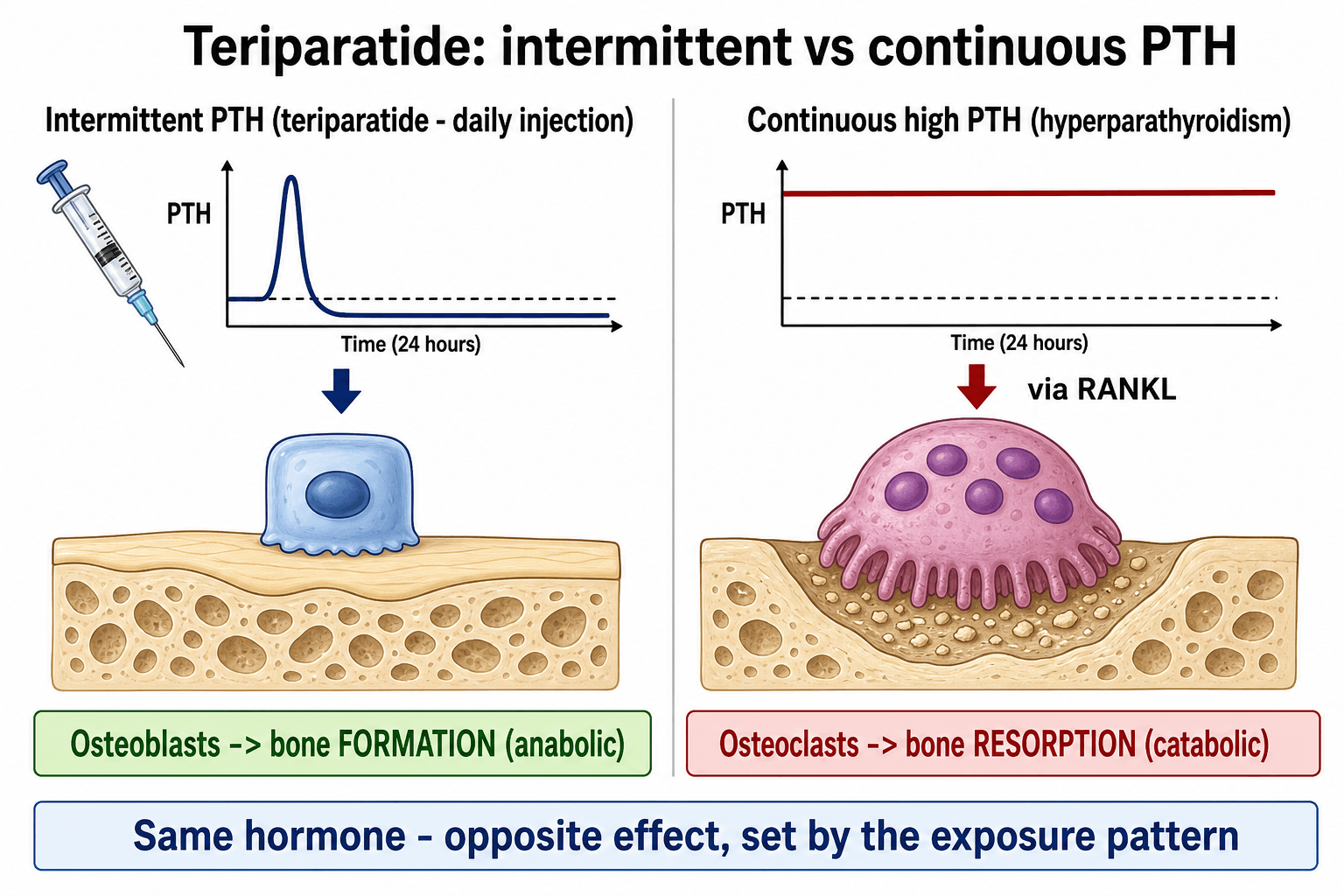
Intermittent PTH builds bone. A daily injection produces a short spike of PTH that quickly clears. The pulse acts on osteoblasts through the PTH/PTHrP receptor, increasing their number and activity and reducing their programmed death, so bone formation outpaces resorption. Bone mass rises and trabecular architecture is rebuilt with genuinely new bone, rather than old bone being preserved.
Why the pulse avoids resorption. Because the level falls again between doses, the prolonged signal that would otherwise switch on osteoclasts, through RANKL on osteoblasts, is avoided.
Continuous PTH destroys bone. When PTH stays high all the time, as in primary hyperparathyroidism, the same receptor signalling sustains RANKL expression, osteoclasts dominate and bone is steadily resorbed. Bone is lost and the cortices thin, and the clinical picture is osteoporosis with brown tumours.
The pharmacokinetics make the pulse. Subcutaneous teriparatide is rapidly absorbed, peaking at about 30 minutes, and rapidly cleared by hepatic and renal peptide degradation, with a plasma half-life of roughly 1 hour. A single daily injection therefore gives a pulse that has fallen back to baseline long before the next dose. That transient exposure is exactly what favours the anabolic response and avoids the sustained RANKL-driven resorption of continuous PTH excess: the short half-life creates the pulse.
The calcium physiology. In the kidney PTH increases distal-tubular calcium reabsorption and phosphate excretion, and it stimulates renal 1-alpha-hydroxylase, raising calcitriol and so gut calcium absorption. It also mobilises calcium from bone. Each dose therefore causes a small, transient rise in serum calcium, peaking a few hours after injection and normalising by the next day, with mild hypercalciuria.
The anabolic window. Bone formation rises immediately, while resorption catches up only later, so the early months of treatment give the greatest net gain. Starting teriparatide before an anti-resorptive, rather than after, tends to make the most of that window.
The Drug in Practice
Dose and route. 20 micrograms once daily by subcutaneous injection, self-injected, usually into the thigh or abdomen.
Duration. Twenty-four months is the standard course. Since November 2020 longer use is permitted if fracture risk remains high: the original lifetime cap came from the rat osteosarcoma signal, which human surveillance has not borne out, though waning anabolic benefit still argues for a defined course.
After stopping. New bone is lost without a follow-on agent, so the course is always followed by an anti-resorptive, a bisphosphonate or denosumab, to lock in the gains.
Related agents. Abaloparatide is a PTH-related protein analogue with a similar profile. Romosozumab, an anti-sclerostin antibody, is another bone-building option but works by a different mechanism. Teriparatide is the prototype anabolic drug and the one to discuss by default.
Indications
Teriparatide is reserved for severe or high-risk osteoporosis rather than first-line use, because of its cost, the daily injection and the limited course.
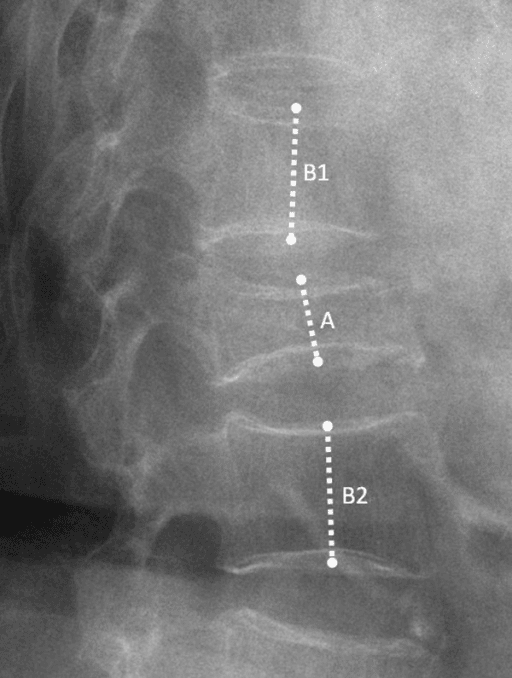
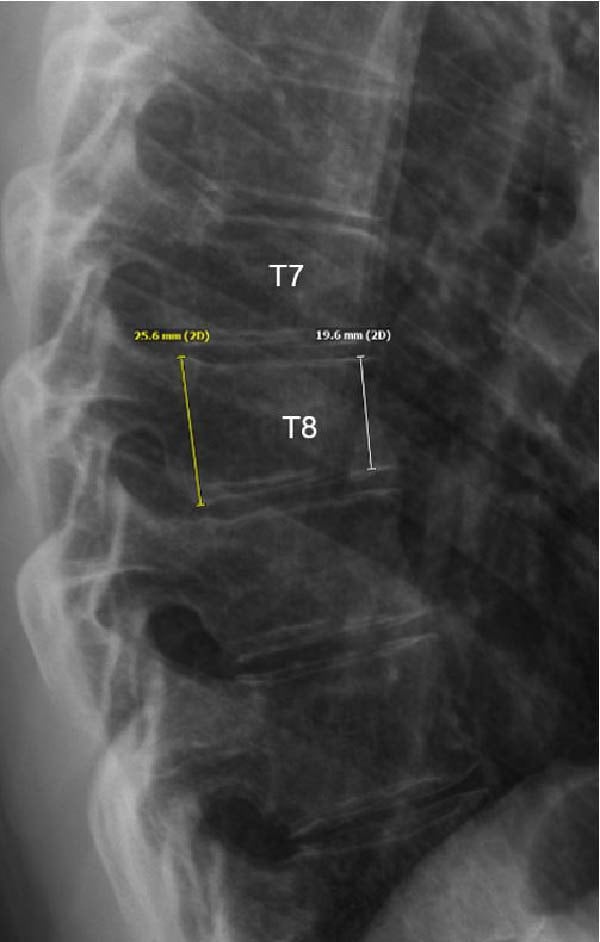
Severe osteoporosis. Postmenopausal women and men with very low bone density or multiple or recurrent fragility fractures, especially vertebral fractures. This is the group with the most to gain from rebuilding bone.
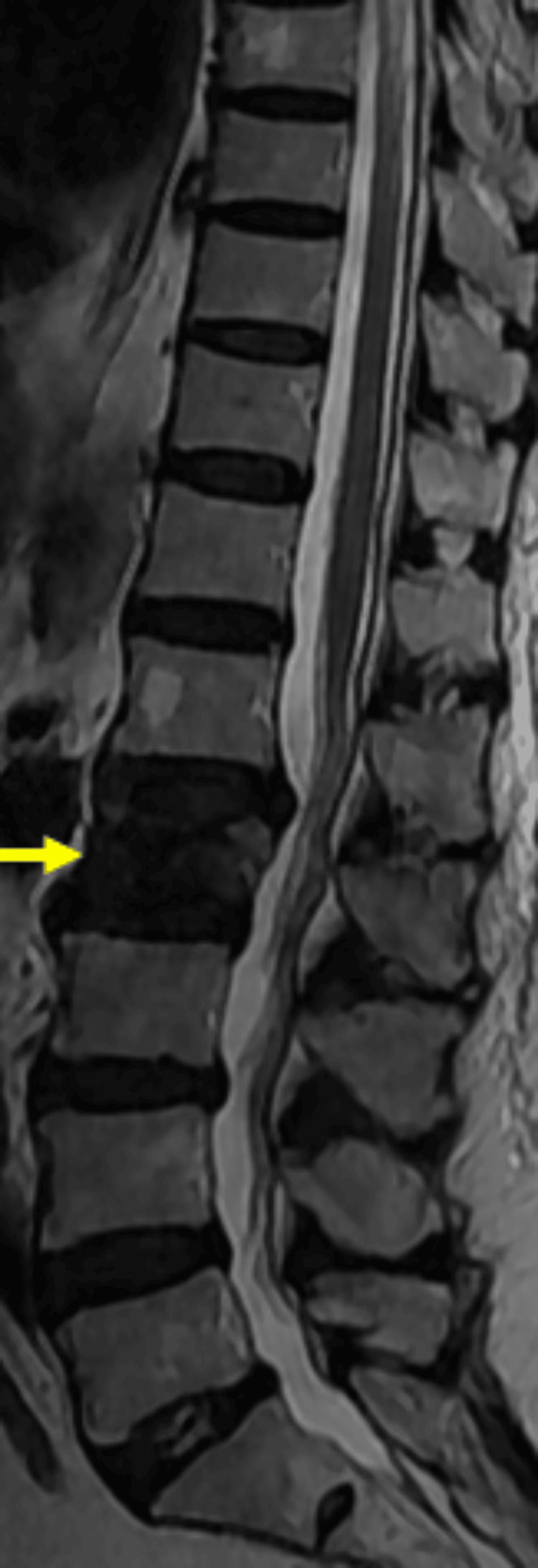
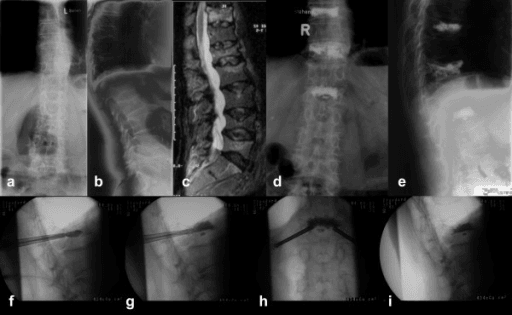
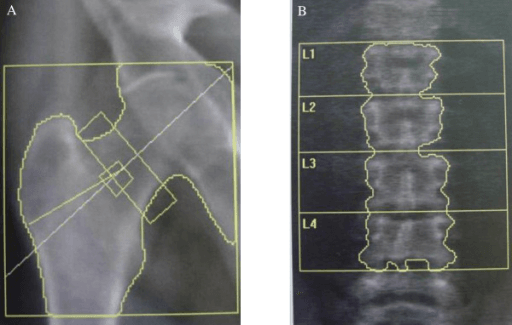
Treatment failure. Patients who fracture or keep losing bone despite an anti-resorptive. Switching to an anabolic agent that builds bone is a logical next step.
Glucocorticoid-induced osteoporosis. High-dose, long-term steroid users at high fracture risk, in whom teriparatide has shown strong bone-density gains compared with bisphosphonates. Glucocorticoid-induced osteoporosis suppresses bone formation, which is the rationale for choosing an anabolic drug.
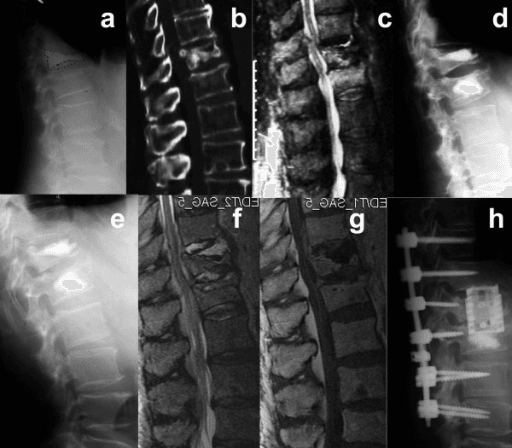
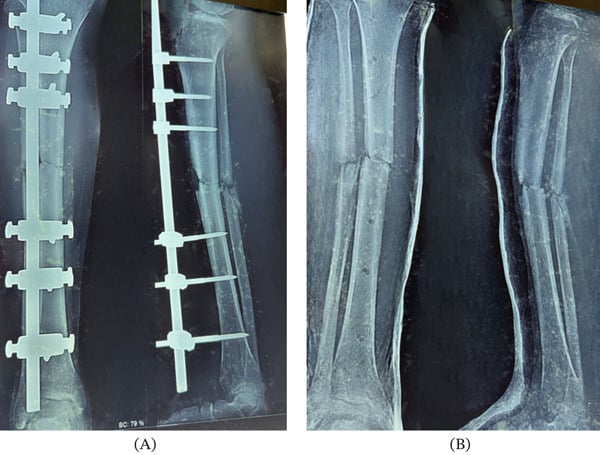
Selected fracture-healing roles. There is off-label interest in stalled or fragile fracture healing, for example certain osteoporotic pelvic or atypical femoral fractures and nonunions. It is supported by smaller studies rather than large trials.
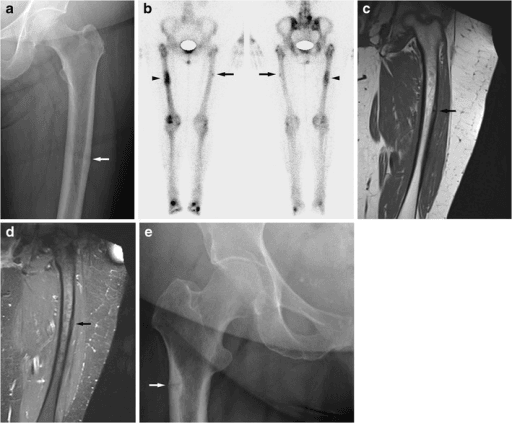
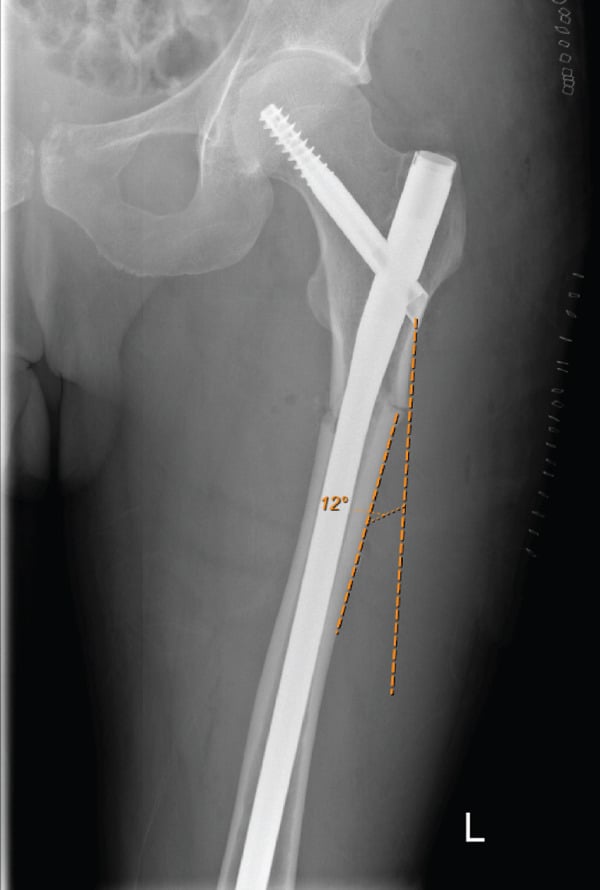
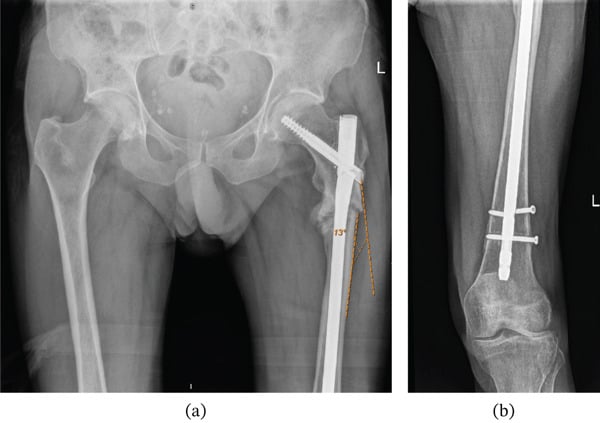
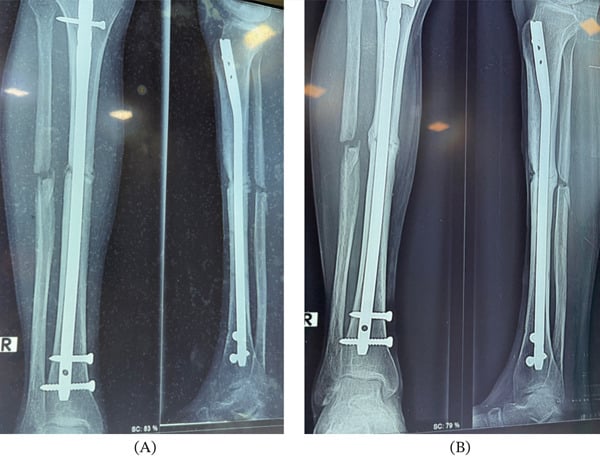
Atypical femoral fractures. Prodromal thigh pain should prompt imaging of both femora. Malreduction of the subtrochanteric fracture is common and predicts failure, and malreduction with delayed union increases the risk of implant failure.
Safety, Limits and How It Compares
Where the cap came from. Fischer 344 rats given supratherapeutic teriparatide from 6-8 weeks of age for near-lifetime developed osteosarcoma dose-dependently, and by the end of the study their bone mineral content resembled a rod of solid cortical bone. That finding stopped the phase 3 programme early and produced a boxed warning plus a 2-year lifetime restriction.
Why the rat was the wrong model. A second rat study at a clinically relevant dose for 20 months produced no tumours, showing the effect was dose- and time-dependent, and ovariectomised monkeys at 8 times clinical exposure developed none. Rats grow their skeletons continuously for life and lack osteonal remodelling, so they mount an anabolic response that primates, whose bone stops growing and renews by remodelling, cannot.
What the human data showed. Across roughly 2.47 million treated patients studied from 2003 to 2019, osteosarcoma incidence did not exceed background. The 15-year US surveillance study observed 3 cases against 4.17 expected (standardised incidence ratio 0.72, 90% CI 0.20-1.86), and registry linkage found 3 and 0 cases among 379,283 and 153,316 users.
What changed on 16 November 2020. The FDA removed the boxed warning and revised the 2-year lifetime restriction to permit treatment beyond 2 years in patients who remain at, or return to, high fracture risk. Do not state a hard lifetime cap.
What did not change. A non-boxed warning about possible osteosarcoma risk was deliberately retained, because the event is rare, confounding was incompletely controlled and data beyond 2 years are limited. The contraindications stand, and 24 months remains the standard course, with extension a considered decision rather than a default.
Contraindications and cautions. Avoid teriparatide where the baseline osteosarcoma risk is high, and where its calcium effects would harm. Check baseline calcium and do not start in a hypercalcaemic patient: pre-existing hyperparathyroidism or hypercalcaemia is a contraindication. Use caution with active urolithiasis, and it is generally avoided in severe renal impairment; no routine dose titration is needed otherwise.
PROUDWhen to Avoid Teriparatide
Hook:Do not be PROUD to prescribe it here - Paget, Radiotherapy, Open physes, Unexplained high ALP, Disease with hypercalcaemia or bone cancer.
Side effects. Common side effects are usually minor: nausea, headache, dizziness and leg cramps, with the transient small rise in serum calcium after each dose.
- Teriparatide
- Anabolic - builds bone
- Bisphosphonates
- Anti-resorptive - slows bone loss
- Teriparatide
- Stimulates osteoblasts
- Bisphosphonates
- Inhibits osteoclasts
- Teriparatide
- Daily subcutaneous injection
- Bisphosphonates
- Oral weekly or intravenous, intermittently
- Teriparatide
- Severe or high-risk osteoporosis, treatment failure
- Bisphosphonates
- First-line for most osteoporosis
- Teriparatide
- Gains lost unless followed by an anti-resorptive
- Bisphosphonates
- Effect persists for a time (drug stays bound to bone)
Sequencing: Build, Then Preserve
The sequence matters: build, then preserve. Use teriparatide to add bone, then switch to a bisphosphonate or denosumab to keep it, and never leave a high-risk patient on no treatment.
What happens without a follow-on. Stopping teriparatide and giving nothing lets the newly formed bone be resorbed. Stopping denosumab without a follow-on can cause rebound vertebral fractures.
A prior anti-resorptive blunts the response. Patients pre-treated with a long-acting bisphosphonate show an attenuated and delayed bone-density gain on teriparatide, especially at the hip, because the suppressed, low-turnover skeleton cannot mount the full anabolic burst. In the treatment-naïve high-risk patient, an anabolic-first strategy captures the fullest response.
Anabolic first, not the reverse. Switching from denosumab to teriparatide can cause a transient or progressive loss of bone density in the first year, notably at the hip (the DATA-Switch study), because the anabolic agent cannot immediately offset the high-turnover rebound after denosumab is withdrawn. Do not expect an immediate gain from that switch.
Giving an anti-resorptive after teriparatide instead consolidates and adds to the gains.
Combination. Teriparatide plus denosumab together (the DATA study) raised bone density more than either drug alone. It is an option in selected very-high-risk patients, though cost and injection burden keep it non-routine.
Guidelines, Registries and Global Practice
- Major osteoporosis guidelines (for example the Endocrine Society, AACE, NOGG in the UK, and bone-health initiatives endorsed by AAOS/AOA) position teriparatide as a treatment for severe or very high fracture-risk osteoporosis and for patients who fracture or lose bone despite an anti-resorptive, rather than as a first-line agent.
- Anabolic-first sequencing is increasingly endorsed for the highest-risk patients (those with recent or multiple vertebral fractures), reflecting head-to-head trial evidence that anabolic therapy reduces vertebral fractures more than oral bisphosphonates in this group.
- Guidance consistently stresses the mandatory follow-on anti-resorptive after stopping teriparatide to preserve bone gained, and the 24-month standard course.
- Global practice variation is driven mainly by cost and access - the daily injection and price mean teriparatide is reserved for selected high-risk patients in most health systems, while the underlying principles (build then preserve, reserve for severe disease) are consistent worldwide.
Exam Viva Scenarios
Practise clinical reasoning and management decisions out loud
“A 71-year-old woman with severe osteoporosis and two vertebral fractures is started on teriparatide after failing a bisphosphonate. The examiner asks what teriparatide is, how it works, and how it differs from the drug she was on.”
“A 68-year-old man has a new vertebral fracture and a very low bone density T-score despite two years of alendronate. The examiner asks how you would treat him and what cautions apply to teriparatide.”
What It Is
- Recombinant human PTH 1-34 (the active fragment)
- Anabolic - the bone-building osteoporosis drug
- 20 micrograms once daily, subcutaneous
- Opposite of anti-resorptive bisphosphonates
Mechanism
- Intermittent daily pulse stimulates osteoblasts - bone forms
- Continuous high PTH drives osteoclasts (RANKL) - bone lost
- Same hormone, opposite effect, set by exposure pattern
- Early 'anabolic window' gives the biggest net gain
Use and Evidence
- For severe or high-risk osteoporosis and treatment failure
- Neer 2001: new vertebral fractures cut by about two-thirds
- VERO 2018: beat risedronate for vertebral fracture in severe disease
- Some evidence for accelerating fragile fracture healing
Limits and Red Flags
- 24 months is the standard course; the lifetime cap was relaxed in Nov 2020 and the osteosarcoma boxed warning removed - a non-boxed warning remains
- Avoid: Paget, prior skeletal radiotherapy, high ALP, open physes, bone cancer
- Always follow with an anti-resorptive to preserve gains
- Minor: nausea, headache, leg cramps, transient calcium rise
Evidence Base
Two landmark RCTs anchor the topic — Neer 2001 established that teriparatide reduces fractures, and VERO (Kendler) was the first head-to-head trial powered on incident fractures to show an anabolic beat an oral anti-resorptive. Wagner's small crossover RCT is the human signal behind its off-label fracture-healing interest.
Teriparatide Reduces Fractures - the Landmark Trial (Neer)
- Randomised trial of 1637 postmenopausal women with prior vertebral fractures, daily PTH 1-34 (20 or 40 micrograms) versus placebo over a median of 21 months
- New vertebral fractures fell from 14 percent on placebo to 5 percent on the 20 microgram dose (relative risk about 0.35)
- New non-vertebral fragility fractures fell from 6 per cent to 3 per cent (relative risk 0.47, 95% CI 0.25-0.88)
- Bone mineral density against placebo: plus 9 percentage points at the lumbar spine and plus 3 at the femoral neck on 20 micrograms, and plus 13 and plus 6 on 40 micrograms; total-body bone mineral rose 2 to 4 points
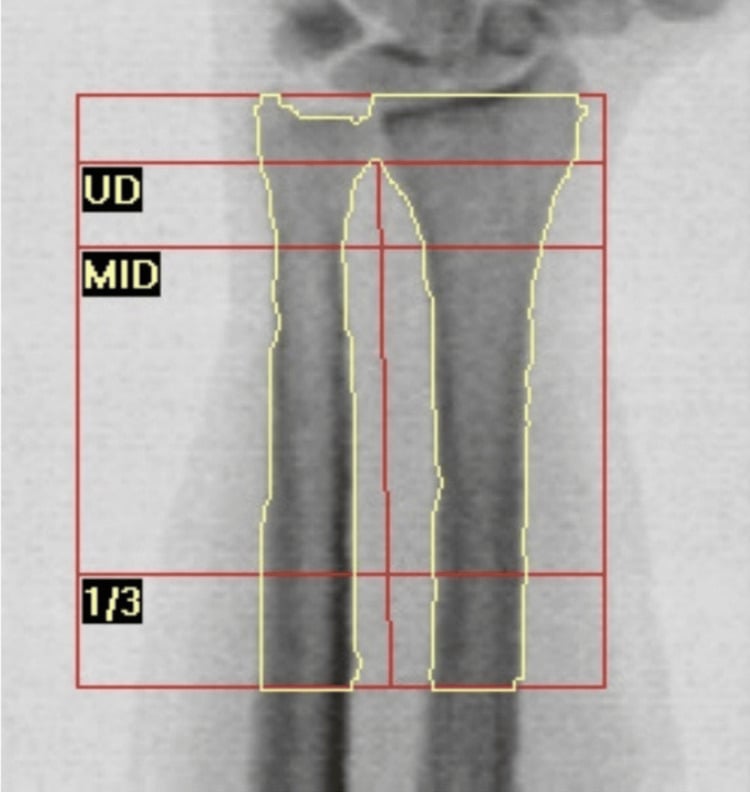
- THE COUNTER-DIRECTIONAL FINDING THAT IS ROUTINELY OMITTED: the 40 microgram dose DECREASED bone mineral density at the SHAFT OF THE RADIUS by 2 percentage points relative to placebo - teriparatide's effect on cortical bone at a predominantly cortical site is not the same as its effect on the spine
- Side effects were minor (occasional nausea and headache)
Teriparatide Beats Risedronate for Vertebral Fracture in Severe Osteoporosis (VERO)
- Double-blind, double-dummy RCT of 1360 postmenopausal women with severe osteoporosis (at least two moderate or one severe vertebral fracture), teriparatide versus risedronate over 24 months (680 per group)
- New vertebral fractures: 5.4 percent with teriparatide versus 12.0 percent with risedronate (risk ratio 0.44)
- New vertebral fractures 28 of 680 (5.4 per cent) against 64 of 680 (12.0 per cent), risk ratio 0.44 (95% CI 0.29-0.68, p less than 0.0001)
- Clinical fractures 30 of 680 (4.8 per cent) against 61 of 680 (9.8 per cent), hazard ratio 0.48 (0.32-0.74, p=0.0009)
- NON-VERTEBRAL FRAGILITY FRACTURES DID NOT DIFFER SIGNIFICANTLY: 25 (4.0 per cent) against 38 (6.1 per cent), hazard ratio 0.66 with a confidence interval of 0.39 to 1.10 crossing 1, p=0.10. Teriparatide did not beat risedronate across the board, and the hip and wrist fractures that matter most for independence sit inside this negative outcome
- Entry required at least two moderate or one severe vertebral fracture AND a T score of -1.50 or lower; comparator was risedronate 35 mg weekly, with double-dummy masking
- The first head-to-head trial powered on incident fractures to favour an anabolic over an anti-resorptive agent