X-Linked Dystrophinopathy | Progressive Weakness
- Genetics: X-linked recessive. Dystrophin gene mutation. Boys affected.
- Pathophysiology: Absent dystrophin leads to muscle fiber necrosis, fibrosis, weakness.
- Presentation: Proximal weakness (3-5 yo), Gowers' sign, Pseudohypertrophy (calves).
- Scoliosis: Classically near-universal after loss of ambulation, less so on daily steroids. Spinal fusion indicated if rapid progression.
- Steroids: Prednisolone/Deflazacort prolongs ambulation and delays scoliosis.
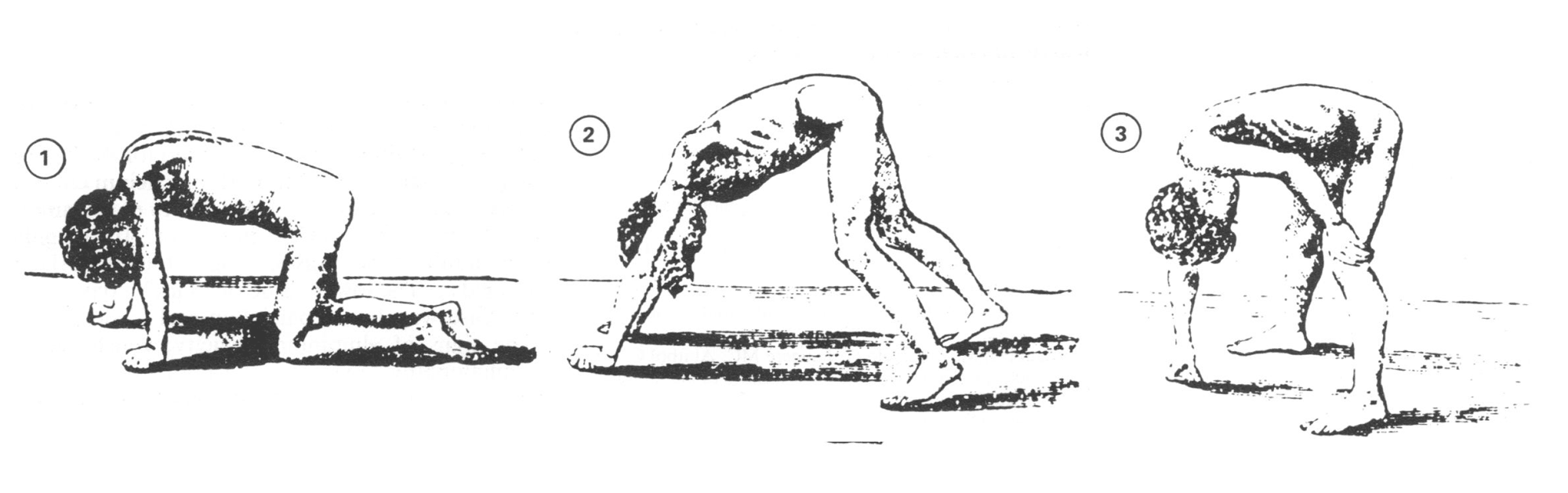
- “Gowers' sign = Proximal weakness (uses arms to 'climb up' legs to stand).
- “Pseudohypertrophy of calves (fatty/fibrous infiltration).
- “CK is MASSIVELY elevated (10-100x normal) - useful screening test.
- “Scoliosis progresses after loss of ambulation. Fuse before severe.
Overview and Epidemiology
Duchenne muscular dystrophy is a severe X-linked recessive disorder caused by mutation of the dystrophin gene at Xp21, which leaves the muscle with no dystrophin and the child with progressive muscle degeneration. Everything the orthopaedic surgeon meets - the contractures, the collapsing spine, the fragile bones - sits downstream of that one missing protein.
Who. Boys, about 1 in 3,500-5,000 male births. Inheritance is X-linked recessive, so males are affected and females are carriers, and roughly a third of cases are sporadic, arising from a new mutation with no family history to give warning.
The natural history runs to a timetable, and knowing where a boy sits on it tells you which orthopaedic problem is next.
- Age 3-5 - symptom onset: delayed walking, difficulty climbing stairs
- Age 5-10 - progressive weakness, Gowers' sign, toe-walking
- Age 10-12 - loss of ambulation, wheelchair
- Age 15 onwards - scoliosis progresses, respiratory function declines, cardiomyopathy declares itself
- Age 20-30 - death, usually respiratory or cardiac failure
With modern multidisciplinary care life expectancy now runs to 20-30 years, where it once ended in the teens.
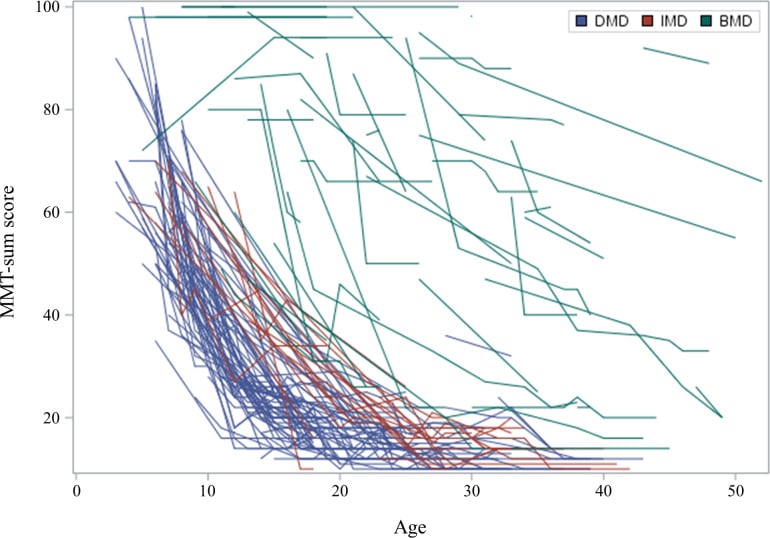
Genetics and Pathophysiology
The mutations. Deletions account for about 60%, point mutations 30% and duplications 5-10%; in Duchenne the consequence is the same however it is achieved, which is complete absence of the protein.
What dystrophin does. It links the fibre cytoskeleton to the extracellular matrix and stabilises the sarcolemma each time the fibre contracts. Without it the membrane is fragile, calcium influx rises, and fibres undergo necrosis.
Why the muscle disappears. Cycles of necrosis and regeneration repeat until what replaces the lost fibres is fibrous tissue and fat. Creatine kinase in the blood is leakage from those damaged fibres.
Becker muscular dystrophy is the same gene with a kinder mutation: in-frame changes that allow partial dystrophin function, giving a milder phenotype, later onset and longer survival.
- Duchenne (DMD)
- ABSENT
- Becker (BMD)
- REDUCED (partial function)
- Duchenne (DMD)
- 3-5 years
- Becker (BMD)
- Adolescence / Adult
- Duchenne (DMD)
- Severe
- Becker (BMD)
- Milder
- Duchenne (DMD)
- By 12 years
- Becker (BMD)
- May ambulate into adulthood
- Duchenne (DMD)
- 20-30 years
- Becker (BMD)
- 40-50+ years
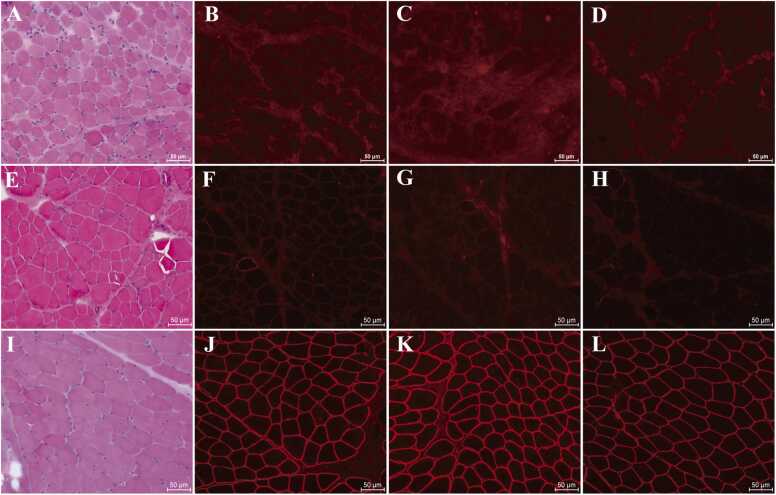
What the failing muscle looks like. Histology and MRI show the same process at different scales.
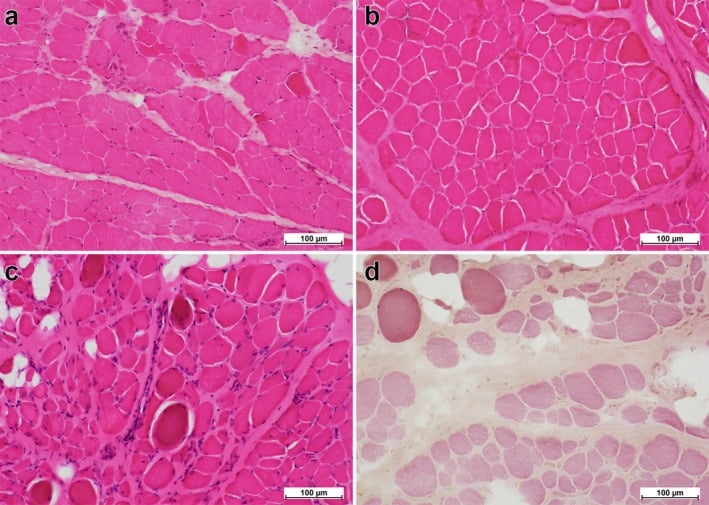
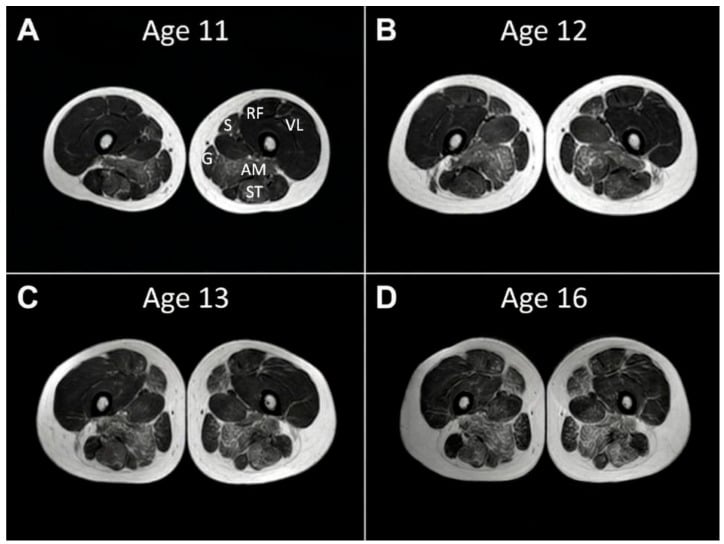
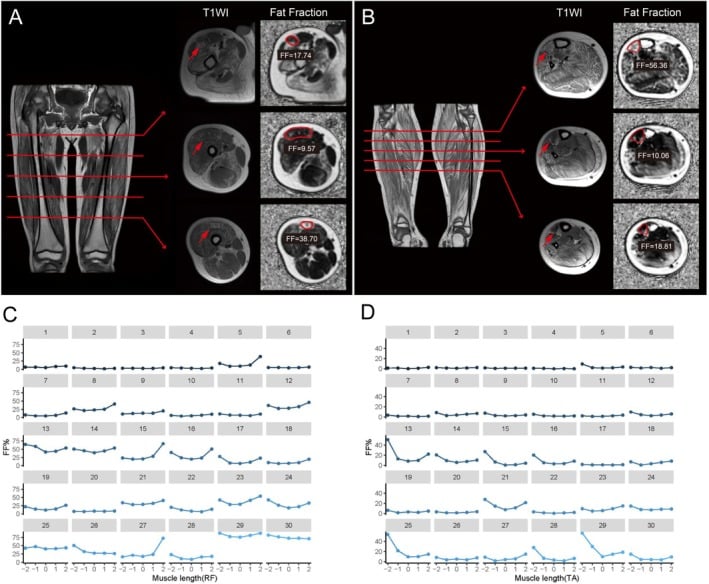
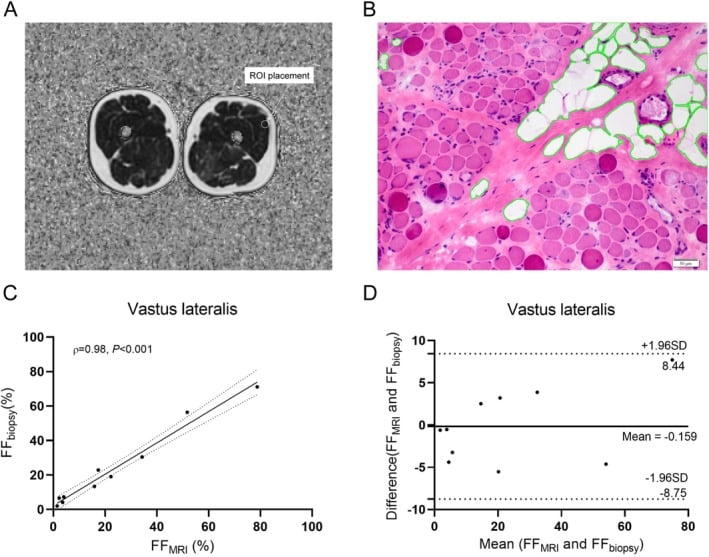
The Reading-Frame Rule (Genotype-Phenotype)
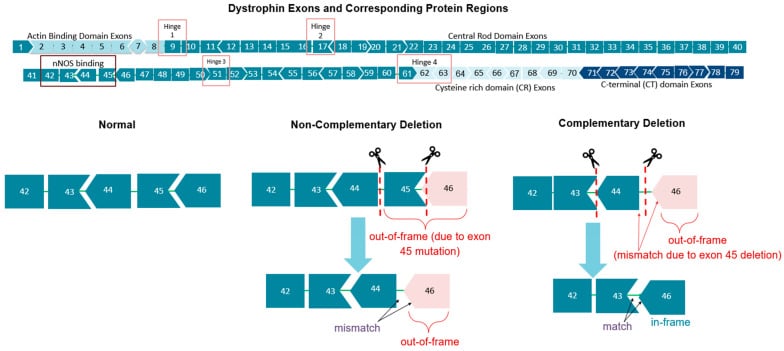
The single principle that unifies DMD genetics, the Duchenne-versus-Becker distinction and modern antisense therapy is the reading-frame (Monaco) rule.
- Out-of-frame (frameshift) mutations shift the triplet reading frame, generate a premature stop codon and abolish dystrophin - the severe Duchenne phenotype
- In-frame mutations delete whole codons but preserve the downstream frame, giving a shortened but partly functional dystrophin - the milder Becker phenotype
The rule holds in roughly 90 percent of cases. Exceptions exist - large in-frame deletions that disrupt critical actin-binding or dystroglycan-binding domains can still behave like Duchenne - so genotype is strongly correlated with, but not absolutely predictive of, phenotype.
Exon skipping is the rule turned into treatment. Antisense oligonucleotides such as eteplirsen, for exon-51-amenable deletions, mask a neighbouring exon during splicing so the mutated transcript is read back in frame, converting a Duchenne-type out-of-frame defect into a Becker-like in-frame product with partial dystrophin restoration.
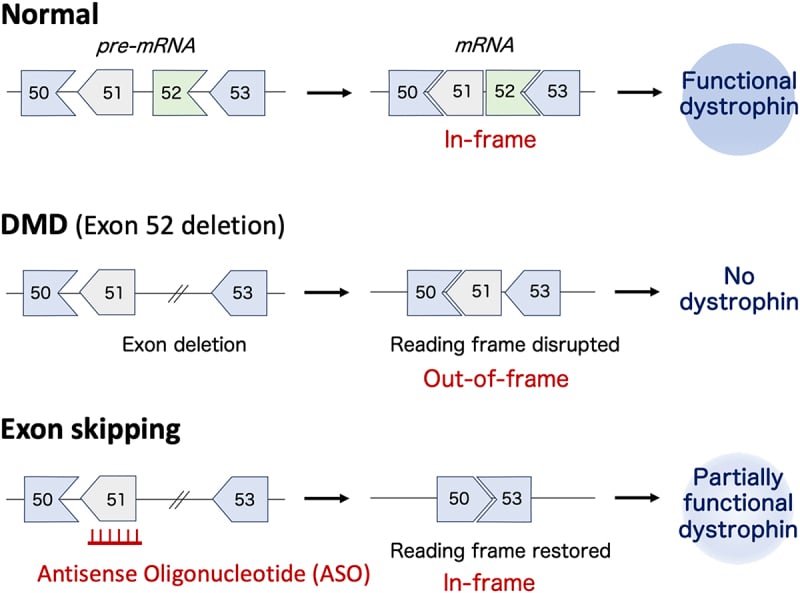
Q: Two boys each have a dystrophin gene deletion - one has Duchenne and one has Becker. What genetic principle explains the difference? A: The reading-frame rule: a frameshifting (out-of-frame) deletion abolishes dystrophin and causes Duchenne, whereas an in-frame deletion yields a truncated but partly functional protein and causes the milder Becker phenotype. Exon-skipping therapy exploits this by restoring the reading frame to convert a Duchenne-type defect toward a Becker-like one.
Pathophysiology: Musculoskeletal Mechanisms
Why weakness becomes deformity. The orthopaedic burden of DMD is a direct downstream consequence of progressive, asymmetric muscle weakness acting across growing joints and a growing spine.
Contractures. The antigravity muscles - gastrocnemius-soleus, hip flexors, iliotibial band - retain relative strength longer than their antagonists, the tibialis anterior and the hip extensors. That imbalance, together with the prolonged sitting that follows loss of ambulation, drives fixed equinus, hip flexion contracture and ITB tightness.
The equinus is doing useful work. While still ambulant, boys adopt toe-walking and a lordotic, wide-based stance that keeps the ground-reaction force anterior to the knee and posterior to the hip, stabilising both joints despite quadriceps and gluteal weakness. Aggressive Achilles lengthening that destroys this equinus lock can precipitate loss of ambulation.
Neuromuscular scoliosis. Once the truncal and paraspinal muscles can no longer balance the seated spine, a long C-shaped collapsing curve with pelvic obliquity develops. Unlike idiopathic scoliosis it progresses even after skeletal maturity, and through the wheelchair years.
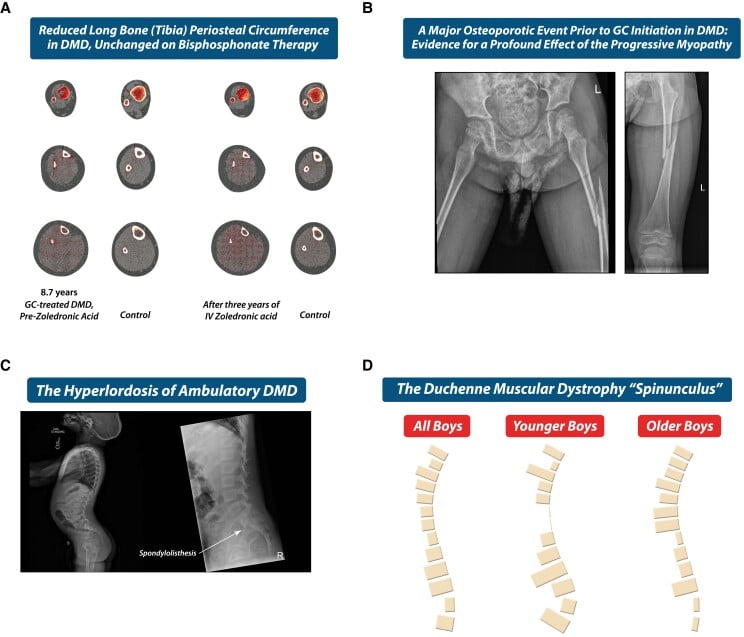
Fragile bone. Disuse osteoporosis from immobility and glucocorticoid-induced bone loss together produce a fracture-prone skeleton. Vertebral compression fractures and low-energy long-bone fractures, especially of the distal femur, are common, and a femoral fracture in a marginal ambulator frequently ends walking permanently.
Classification Systems
DMD is staged by functional ambulatory status, which drives the timing of every orthopaedic decision. The Brooke (upper limb) and Vignos (lower limb) scales remain the classic clinical grading tools.
The North Star Ambulatory Assessment (NSAA) and the 6-minute walk test are the validated trial outcome measures, but day-to-day staging follows five clinical phases:
- Presymptomatic: Diagnosis on raised CK or family history; may have mild delay only.
- Early ambulatory: Gowers' sign, waddling gait, toe-walking, trouble with stairs and running.
- Late ambulatory: Increasingly laboured gait, frequent falls, struggling to rise from floor.
- Early non-ambulatory: Wheelchair for distance, then full-time; able to self-propel; scoliosis begins.
- Late non-ambulatory: Upper-limb and trunk function declining; respiratory and cardiac support needed.
Clinical Assessment
History. Parents describe a boy who walked late, after 18 months, and who cannot run, climb or jump as his peers do. Ask about the family: an X-linked pattern, a carrier mother, affected brothers or uncles.
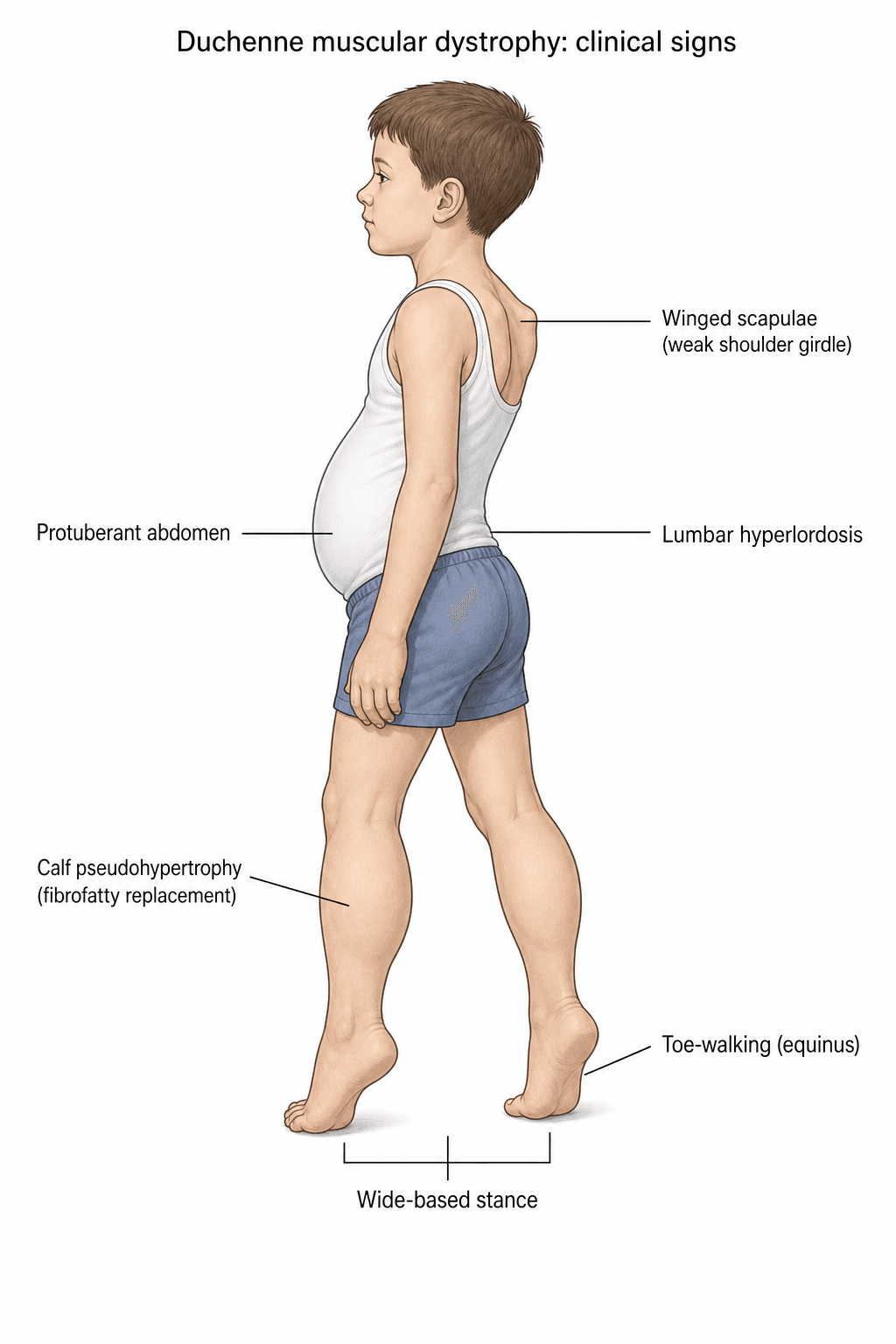
The signs all say the same thing. Weakness is bilateral and proximal, greater proximally than distally: Gowers' sign is the boy putting his hands on his thighs to climb up himself from the floor, lumbar hyperlordosis follows weak hip extensors, and scapular winging follows weak scapular fixators. The calves look powerful, but that is pseudohypertrophy - fibrofatty replacement rather than muscle.
Contractures and the spine. Equinus is the commonest contracture, with hip flexion and iliotibial band tightness behind it, and toe-walking is that equinus made visible. Scoliosis follows the loss of ambulation.
Investigations
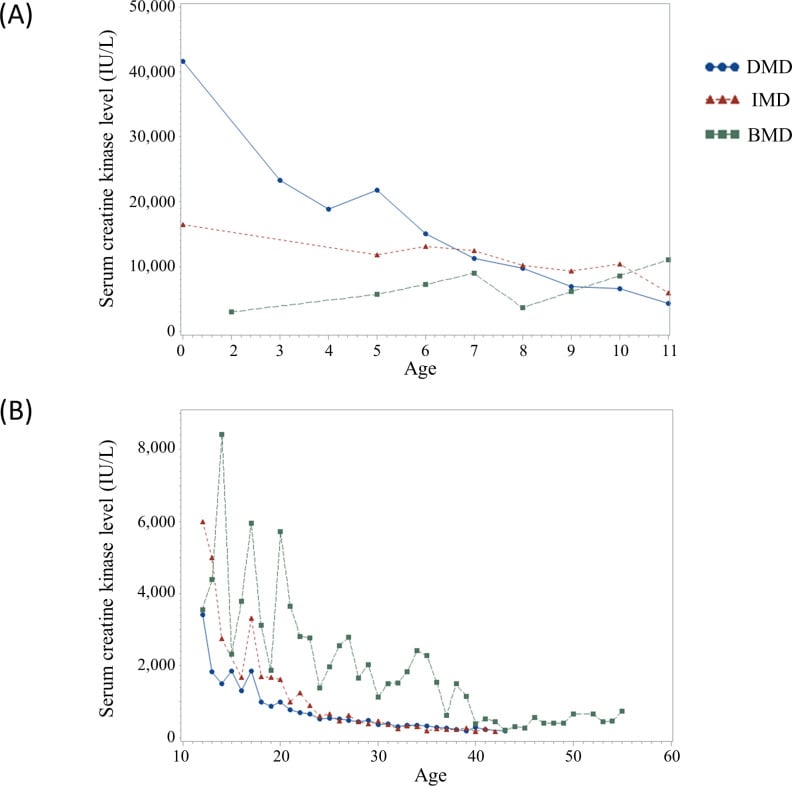
Serum CK is the screening test, and in DMD it is massively elevated at 10-100 times normal.
Genetic testing confirms the mutation and is the gold standard, by multiplex PCR, MLPA or sequencing. Muscle biopsy shows absent dystrophin on immunohistochemistry and is used less now that genetics answers the question directly.
The orthopaedic work-up is aimed at the spine, the lungs, the heart and the bones:
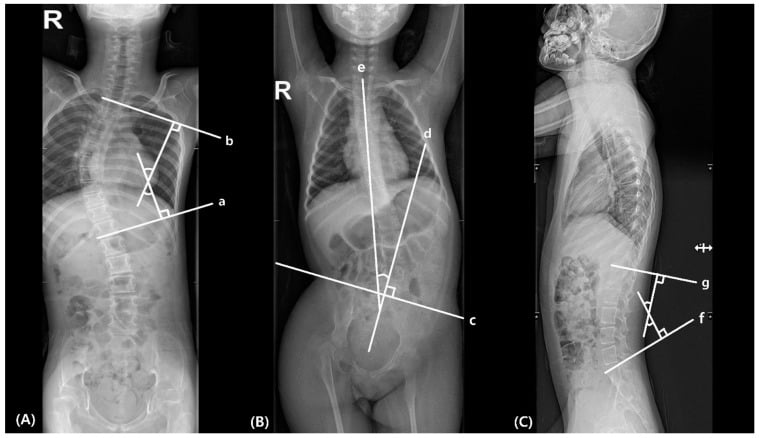
- Spine radiographs, AP and lateral, with the Cobb angle measured
- Whole-spine MRI when fusion is planned
- Pulmonary function, before scoliosis surgery is contemplated
- Echocardiography and ECG for the cardiomyopathy
- DEXA for bone density
Carrier Females and Genetic Counselling
"Females are carriers" is an over-simplification examiners probe.
Manifesting carriers. Because of skewed X-inactivation (lyonisation) a minority of female carriers have skeletal-muscle symptoms: calf hypertrophy, cramps, mild-to-moderate proximal weakness and a raised CK. The most severe female presentations occur with Turner syndrome (45,X) or an X-autosome translocation that disrupts the dystrophin gene.
Carrier cardiomyopathy. Carriers are at risk of dilated cardiomyopathy even when they have no skeletal-muscle weakness, so every confirmed or obligate carrier needs baseline and periodic cardiac surveillance with ECG and echocardiography, whatever her muscles are doing.
Germline mosaicism. About one-third of cases are apparently "new" mutations, but a mother whose blood test is negative is not guaranteed a zero recurrence risk, because the mutation may be present in a subset of her oocytes - gonadal or germline mosaicism, giving a recurrence risk of the order of 10 percent. Prenatal or preimplantation genetic diagnosis should therefore still be offered.
Q: A boy is diagnosed with Duchenne muscular dystrophy. Besides carrier testing, what must his mother be offered? A: Cardiac surveillance. Female carriers can develop dilated cardiomyopathy even without skeletal-muscle weakness, so baseline and periodic ECG/echocardiography are recommended. She also needs genetic counselling that accounts for germline mosaicism - a negative maternal blood test does not eliminate the recurrence risk in future pregnancies, so prenatal/preimplantation diagnosis is still offered.
Differential Diagnosis
The classic triad of a young boy with proximal weakness, a positive Gowers' sign and a markedly raised CK has a focused differential. Distinguishing features are exam favourites.
- Distinguishing Features
- Same gene; in-frame mutation, later onset, milder, longer ambulation
- Key Test
- Dystrophin reduced (not absent); genetics
- Distinguishing Features
- Autosomal; affects both sexes; calf pseudohypertrophy possible
- Key Test
- Gene panel; dystrophin normal
- Distinguishing Features
- Tongue fasciculations, areflexia, distal involvement, normal/mildly raised CK
- Key Test
- SMN1 deletion testing
- Distinguishing Features
- Subacute, rash (dermatomyositis), tender muscles
- Key Test
- EMG, MRI, biopsy, autoantibodies
- Distinguishing Features
- Hypotonia/weakness from birth, slowly progressive, normal/low CK
- Key Test
- Muscle biopsy; gene panel
- Distinguishing Features
- Isolated equinus, normal strength and CK, no Gowers'
- Key Test
- Normal CK reassures; observe
Any boy with delayed walking, toe-walking or a "clumsy" gait should have a serum CK checked before an orthopaedic procedure such as Achilles lengthening. Operating on an undiagnosed dystrophinopathy without anaesthetic precautions risks succinylcholine-induced hyperkalaemic cardiac arrest.
Management Algorithm
Between roughly 5 and 12 years the goal is to prolong ambulation.
Steroids. Prednisolone or deflazacort prolongs ambulation by about 2 years and delays the onset of scoliosis. The price is weight gain, osteoporosis and cataracts.
Stretching and splinting. Physiotherapy targets the equinus, the hip flexors and the ITB. Night AFOs hold the ankle out of equinus; KAFOs are used occasionally.
Surgery, used sparingly. Achilles lengthening for fixed equinus, and ITB release for a hip abduction contracture.
Anaesthesia and Perioperative Risk
It is not malignant hyperthermia. Avoid succinylcholine and volatile agents and use TIVA, propofol with remifentanil - the instruction everyone knows. The reason usually given is wrong, and the wrong reason kills: DMD is not an RYR1 channelopathy and these boys are not MH-susceptible.
What they suffer is anaesthesia-induced rhabdomyolysis: acute muscle breakdown without preceding hypermetabolism, presenting as hyperkalaemic cardiac arrest, sometimes in recovery rather than on the table.
Treat the potassium - calcium, insulin-dextrose, salbutamol, bicarbonate - and resuscitate for as long as it takes.
The heart and the lungs. All patients with DMD develop cardiomyopathy, so cardiac clearance comes before any surgery, and the progressive respiratory muscle weakness compounds the risk.
Bone Health and Fragility Fractures
A fracture can cost a boy his walking. A lower-limb fracture in a marginal ambulator often ends walking permanently, so splint for comfort and keep him upright rather than resting him.
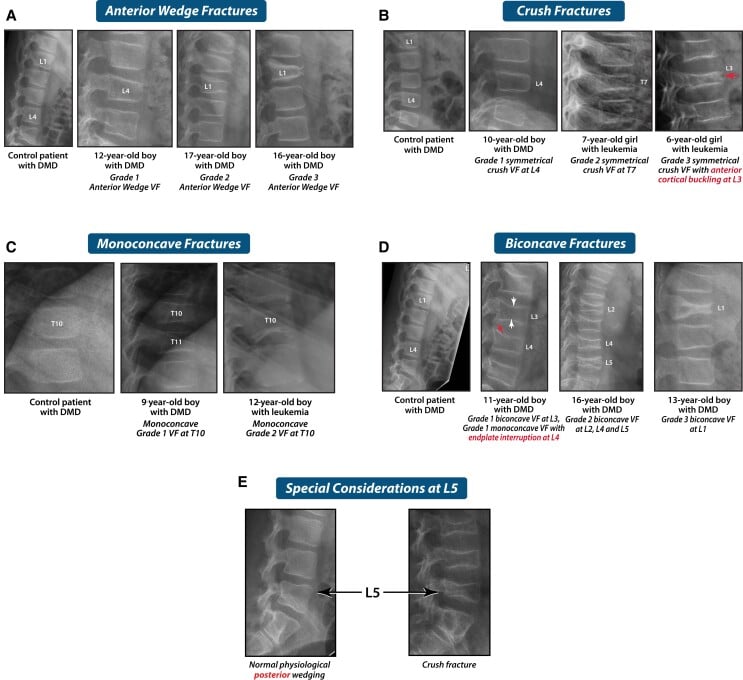
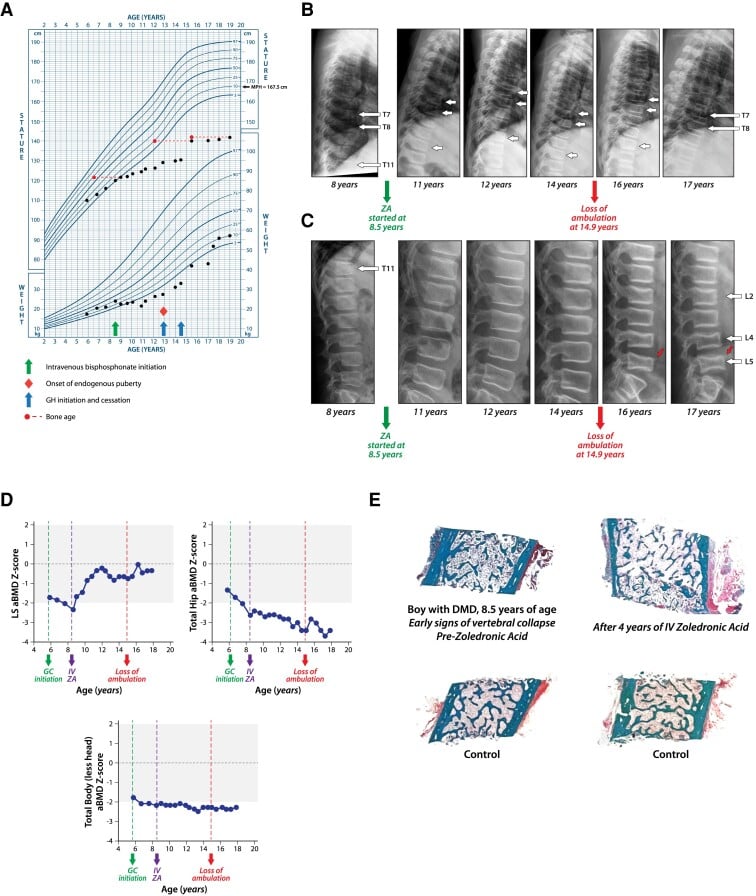
Vertebral compression fractures are frequently painless. Steroids cause them, and because they can be silent, surveillance spine imaging is part of care. Symptomatic or progressive fractures are an indication for bisphosphonates, as is established osteoporosis, and fracture prevention also means calcium and vitamin D.
A fracture is not required and a normal X-ray does not exclude it. In a reported series of five boys who fell, four died within 36 hours and radiographs showed no fracture. New confusion, drowsiness, tachypnoea or hypoxia after a fall is fat embolism until proven otherwise - the trap is calling it an exacerbation of his cardiomyopathy or respiratory weakness. Wheelchair restraints and seatbelts, always.
Scoliosis Management
The classic natural history. Scoliosis develops in nearly 100% of boys with DMD after ambulation is lost, and progresses rapidly, on the order of 15-20 degrees a year. Those figures come from the pre-steroid era; daily glucocorticoids have changed them, as the controversies below set out.
Indications for fusion. Two numbers and a judgement:
- Cobb angle over 20-30 degrees and progressing
- FVC over 35%, and some accept over 30%; below that the perioperative risk is very high
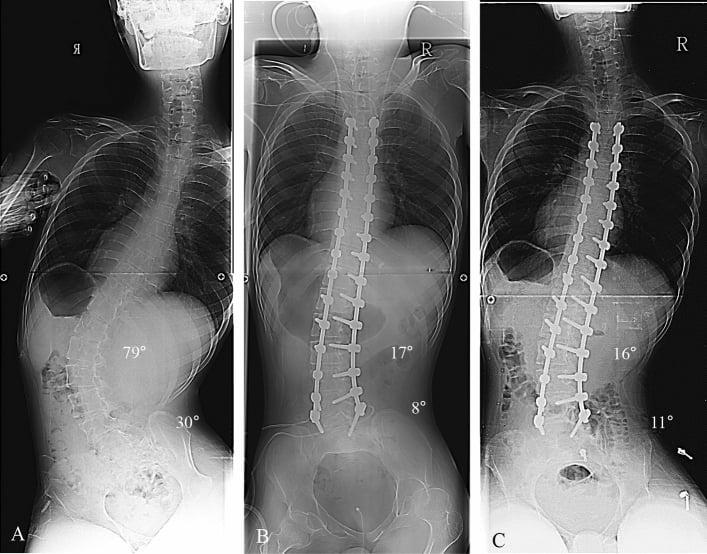
The operation. Posterior spinal fusion from T2/T3 to the pelvis, segmental pedicle screws with iliac or S2 alar-iliac screws distally. An anterior release is usually not needed.
Expect significant blood loss and plan for it with cell salvage and tranexamic acid. Post-operative intensive care is usual, and prolonged non-invasive ventilation may be needed.
What fusion achieves. It halts progression of the curve and maintains sitting balance and posture, and it may improve respiratory function or slow its decline, and improve quality of life.
Surgical Technique
Posterior spinal fusion in DMD is a long operation on a boy with a cardiomyopathy, weak respiratory muscles and soft bone, and the sequence rarely varies.
- Pre-operative: optimise cardiac and respiratory status, assess the FVC, echocardiogram, MDT planning.
- Positioning: prone on a Jackson frame.
- Exposure: midline incision, T2 to pelvis.
- Instrumentation: pedicle screws T3-L5, iliac or S2 alar-iliac screws, cobalt-chrome rods.
- Correction: cantilever and rod rotation.
- Fusion: decorticate and bone graft.
- Closure: layered, over a drain.
- Post-operative: intensive care, often 24-48 hours, with non-invasive ventilation if respiratory function is compromised, then early mobilisation into the wheelchair by day 2-3, wound care, and no brace - the instrumentation is rigid enough.
Complications
The complications that matter follow from the cardiomyopathy, the weak respiratory muscles, the soft bone and the anaesthetic.
- Risk Factor
- Low FVC, Post-op
- Management
- NIV, ICU care
- Risk Factor
- Cardiomyopathy
- Management
- Cardiology involvement
- Risk Factor
- Anesthetic - succinylcholine/volatiles
- Management
- TIVA protocol; treat the potassium, dantrolene does not help
- Risk Factor
- Spinal surgery
- Management
- Cell salvage, TXA
- Risk Factor
- Steroids, Immobility
- Management
- Conservative care
- Risk Factor
- Poor healing
- Management
- Optimize nutrition
Guidelines, Registries & Global Practice
Global epidemiology:
- Birth incidence approximately 1 in 3,500-5,000 live male births; one of the most common lethal childhood genetic disorders worldwide.
- Roughly one-third of cases arise from de novo mutations with no family history.
- With contemporary multidisciplinary care (daily steroids, cardiac and respiratory support, spinal surgery), median survival has risen from the teens into the late 20s-30s.
Side-by-side guidance:
- Focus
- Whole-of-disease MDT care
- Key Recommendation
- Daily glucocorticoids; anticipatory cardiac, respiratory, bone and orthopaedic surveillance across the lifespan
- Focus
- Pharmacological therapy
- Key Recommendation
- Corticosteroids improve strength and function and should be offered (practice parameter, since superseded by care considerations)
- Focus
- Service organisation
- Key Recommendation
- Care through specialist neuromuscular MDT hubs; structured transition to adult services
- Focus
- Cardiomyopathy
- Key Recommendation
- Baseline and surveillance cardiac imaging; early ACE inhibitor/ARB +/- beta-blocker even before symptomatic dysfunction
- National and international DMD registries (e.g. TREAT-NMD network, the UK NorthStar database, US MD STARnet surveillance) track ambulation, scoliosis surgery rates, cardiac and respiratory milestones and feed trial recruitment.
- Registry data document the falling incidence of spinal fusion in the daily-steroid era and the rising age at loss of ambulation.
- Well-resourced settings: genetic confirmation, daily steroids, non-invasive ventilation, cardiac pharmacotherapy, posterior spinal fusion with segmental instrumentation, and access (variably) to exon-skipping or gene therapy.
- Limited-resource settings: diagnosis may rely on CK and clinical phenotype with limited genetic testing; steroids and bracing remain the mainstay; ventilatory and spinal-surgery access may be constrained, shifting emphasis toward seating, contracture prevention and palliative goals.
Controversies & Areas of Uncertainty
Which glucocorticoid regimen. The FOR-DMD randomised trial showed daily prednisone and daily deflazacort both outperform the 10-days-on/10-days-off intermittent regimen, with no significant difference between the two daily drugs. Deflazacort causes less weight gain and fewer behavioural effects but worse growth and more cataracts, and vamorolone, a dissociative steroid, is an emerging alternative with a potentially better bone and growth profile. The "best" regimen remains individualised.
Should the pelvis always be fused? Long constructs to the pelvis control pelvic obliquity but increase operative time, blood loss and implant prominence. Some series of early, limited instrumentation in low curves - correcting before pelvic obliquity is fixed - report good seating with shorter, lower-morbidity surgery, and the threshold of pelvic obliquity at which pelvic fixation becomes mandatory is debated.
Has steroid use changed the scoliosis equation? Daily glucocorticoids dramatically reduce the incidence and severity of scoliosis, so far fewer steroid-treated boys now require spinal fusion than in the pre-steroid era. The classic teaching of near-universal, rapidly progressive scoliosis largely predates routine daily steroids.
Are volatile anaesthetics absolutely contraindicated? Succinylcholine is unequivocally contraindicated, for the hyperkalaemic arrest it causes. The risk from modern volatile agents, rhabdomyolysis and hyperkalaemia, is real but lower; many centres still use total intravenous anaesthesia as the safest default, while acknowledging that the volatile-agent recommendation is less absolute.
Disease-modifying genetic therapy. Exon-skipping antisense oligonucleotides - eteplirsen for exon 51-amenable mutations and related agents - and micro-dystrophin gene therapy (delandistrogene moxeparvovec) are approved in some regions but produce only partial dystrophin restoration; durable functional benefit, cost and access remain uncertain. They supplement, not replace, multidisciplinary musculoskeletal care.
Viva Scenarios
Clinical Decision Scenarios
Practise clinical reasoning and management decisions out loud
“What is your diagnosis and approach?”
Clinical Decision Scenarios
Practise clinical reasoning and management decisions out loud
“What is your management?”
Clinical Decision Scenarios
Practise clinical reasoning and management decisions out loud
“Discuss the key points.”
MCQ Practice Points
Q: What is the inheritance pattern of Duchenne Muscular Dystrophy? A: X-linked recessive. Affects males. Females are carriers.
Q: What does Gowers' sign indicate? A: Proximal muscle weakness (hip extensors, gluteals). The child uses their hands on thighs to 'climb up' themselves to stand from the floor.
Q: What is the typical CK level in DMD? A: Massively elevated - 10-100 times normal (often greater than 10,000 U/L).
Q: When is spinal fusion indicated in DMD scoliosis? A: Cobb angle greater than 20-30 degrees and progressing, with FVC greater than 30-35%.
Q: What anesthetic agents should be avoided in DMD? A: Succinylcholine (causes hyperkalemic cardiac arrest) and Volatile anesthetics (risk of rhabdomyolysis/MH-like reaction). Use TIVA.
Key Features
- X-linked recessive
- Dystrophin absent
- CK 10-100x elevated
- Gowers' sign
- Calf pseudohypertrophy
Natural History
- Onset 3-5 years
- Wheelchair ~12 years
- Scoliosis after WC
- Life exp 20-30 years
Orthopaedic Rx
- Steroids (prolong amb)
- Stretching/AFOs
- Achilles length (equinus)
- Spine fusion (scoliosis)
Anesthesia
- AVOID Succinylcholine
- AVOID Volatiles
- USE TIVA
- Pre-op Cardiac Echo
Evidence Base
FOR-DMD: Optimal Steroid Regimen (RCT)
- Double-blind RCT, 196 steroid-naive boys aged 4-7, 5 countries, 3-year follow-up.
- Daily prednisone and daily deflazacort both superior to intermittent (10-on/10-off) prednisone on a composite of rise-from-floor velocity, FVC and treatment satisfaction.
- No significant difference between the two daily regimens.
DMD Care Considerations: Orthopaedic & Systemic Management
- International consensus on respiratory, cardiac, bone-health and orthopaedic/surgical care.
- Daily glucocorticoids have reduced scoliosis incidence and altered natural history.
- Multidisciplinary, anticipatory care underpins improved survival and quality of life.
Spinal Stabilisation Preserves Respiratory Function & Survival
- Comparative study: 32 operated vs 23 who refused spinal stabilisation.
- Non-operated FVC fell ~8% per year; operated FVC static for 36 months.
- Scoliosis progressed 37 to 89 degrees in non-operated vs improved 47 to 34 degrees operated; survival significantly better after stabilisation.
Anaesthesia in Dystrophinopathy: Succinylcholine is Lethal
- Retrospective review of 117 anaesthetic exposures in 47 DMD/BMD patients.
- One patient given succinylcholine developed rhabdomyolysis and hyperkalaemic cardiac arrest.
- Volatile agents were used 66 times without attributable MH-type events, supporting that the volatile contraindication is less absolute than for succinylcholine.
Anaesthesia-Induced Rhabdomyolysis is a Distinct Entity, Not Malignant Hyperthermia
- Previously fit 12-year-old, no prior anaesthetic, had isoflurane for an elective circumcision and arrested in the RECOVERY ROOM after uneventful surgery
- Initial potassium above 13 mmol/L and CK above 70,000 U/L - acute rhabdomyolysis; genetic testing later showed previously undiagnosed Becker muscular dystrophy
- Survived 1 hour 45 minutes of CPR while the potassium was brought down, plus prolonged multi-organ support, and recovered fully including normal cognition
- States the distinction directly: what was formerly called malignant hyperpyrexia in these patients is now regarded as anaesthesia-induced rhabdomyolysis, a separate reaction - the discriminator being acute rhabdomyolysis WITHOUT preceding hypermetabolism
Fat Embolism Syndrome After Minor Trauma - Fatal, and It Does Not Need a Fracture
- Five boys with DMD presented with acute neurological and respiratory deterioration after MINOR trauma - typically a fall, including falls from a wheelchair
- Four of the five deteriorated rapidly and DIED within 36 hours of the fall
- Radiographs were NEGATIVE for fracture - the syndrome does not require a demonstrable long-bone injury
- Four of the five were on daily corticosteroids; all five met clinical criteria for fat embolism syndrome, and autopsy confirmed fat embolism in two
- The authors' closing practical point is that seatbelts and wheelchair restraints must be used at all times
Early Limited Instrumentation for DMD Scoliosis
- Retrospective cohort of 41 DMD patients with single-rod, limited posterior fusion.
- Mean Cobb improved 24.3 to 15.6 degrees; pelvic obliquity 7 to 5 degrees; no perioperative mortality.
- Operating early on smaller curves gave satisfactory seating with low morbidity (mean blood loss 2.3 L, ICU 41 h).
Eteplirsen: Exon-Skipping Dystrophin Restoration (Landmark)
- Double-blind placebo-controlled trial in boys with exon 51-skippable deletions.
- Dystrophin-positive fibres rose to ~52% of normal by week 48; treatment increase driven by duration more than dose.
- Eteplirsen-treated patients showed a 67.3 m benefit on the 6-minute walk test vs placebo/delayed.
Deflazacort vs Prednisone: Comparative Profile
- Synthesis of RCT and prospective data on the two standard-of-care steroids.
- Deflazacort: similar or slower functional decline, less weight gain and fewer behavioural effects.
- Deflazacort: worse growth, bone health and more cataracts than prednisone/prednisolone.