Glucocerebrosidase Deficiency
- Glucocerebrosidase deficiency: Lipid accumulates in macrophages (Gaucher cells)
- Bone crises: Severe pain, fever - mimics osteomyelitis but culture negative
- AVN: Hip and shoulder common, may require arthroplasty
- Erlenmeyer flask deformity: Failure of distal femur remodelling
- ERT (Enzyme Replacement Therapy): First-line treatment, transformed prognosis
- “Erlenmeyer flask = failed metaphyseal remodelling
- “Bone crises are NOT infection - do not treat with antibiotics unless infection is proven
- “ERT is mainstay of treatment
- “Autosomal recessive, high in Ashkenazi Jews
Overview
Gaucher disease is the most common lysosomal storage disorder: an autosomal recessive deficiency of glucocerebrosidase. The macrophage engorged with the substrate it cannot degrade is the Gaucher cell. Type 1, the non-neuronopathic form, is 95% of cases and carries the orthopaedic burden.
What the surgeon sees. The skeleton is where type 1 disease hurts: bone crises that mimic osteomyelitis, avascular necrosis of the hip and shoulder, pathological fractures through osteopenic bone, and the Erlenmeyer flask deformity of the distal femur. Enzyme replacement therapy with imiglucerase has transformed outcomes and is first-line treatment.
Epidemiology and Genetics
Who. The general population prevalence is 1 in 40,000-60,000. In Ashkenazi Jewish populations it is approximately 1 in 800, with a carrier frequency around 1:15. In the ICGG Gaucher Registry (1698 patients, 38 countries), 94% had type 1, fewer than 1% type 2 and 5% type 3.
The gene. Inheritance is autosomal recessive. The GBA gene on chromosome 1q21 encodes glucocerebrosidase (acid beta-glucosidase), and over 400 mutations have been identified. The most common alleles in the Registry:
- N370S - 53%; associated with the type 1, non-neuronopathic phenotype
- L444P - 18%; homozygosity is associated with more severe, often neuronopathic disease
- 84GG - 7%
- IVS2+1 - 2%
Genotype and phenotype. Genotype influences age at diagnosis: a mean of 27 years for N370S/N370S against around 2 years for L444P/L444P. It does not determine phenotype, and this is the point most often over-stated. In the same Registry 25% of L444P homozygotes (13 of 52) had a type 1, non-neuronopathic phenotype, so L444P/L444P does not guarantee neurological disease and cannot be used to counsel a family that it will occur. Allele data were available for only 45% of the cohort, so the frequencies above describe the genotyped subset. Genotype shifts probability and expected age at presentation; the phenotype is determined clinically.
Pathophysiology
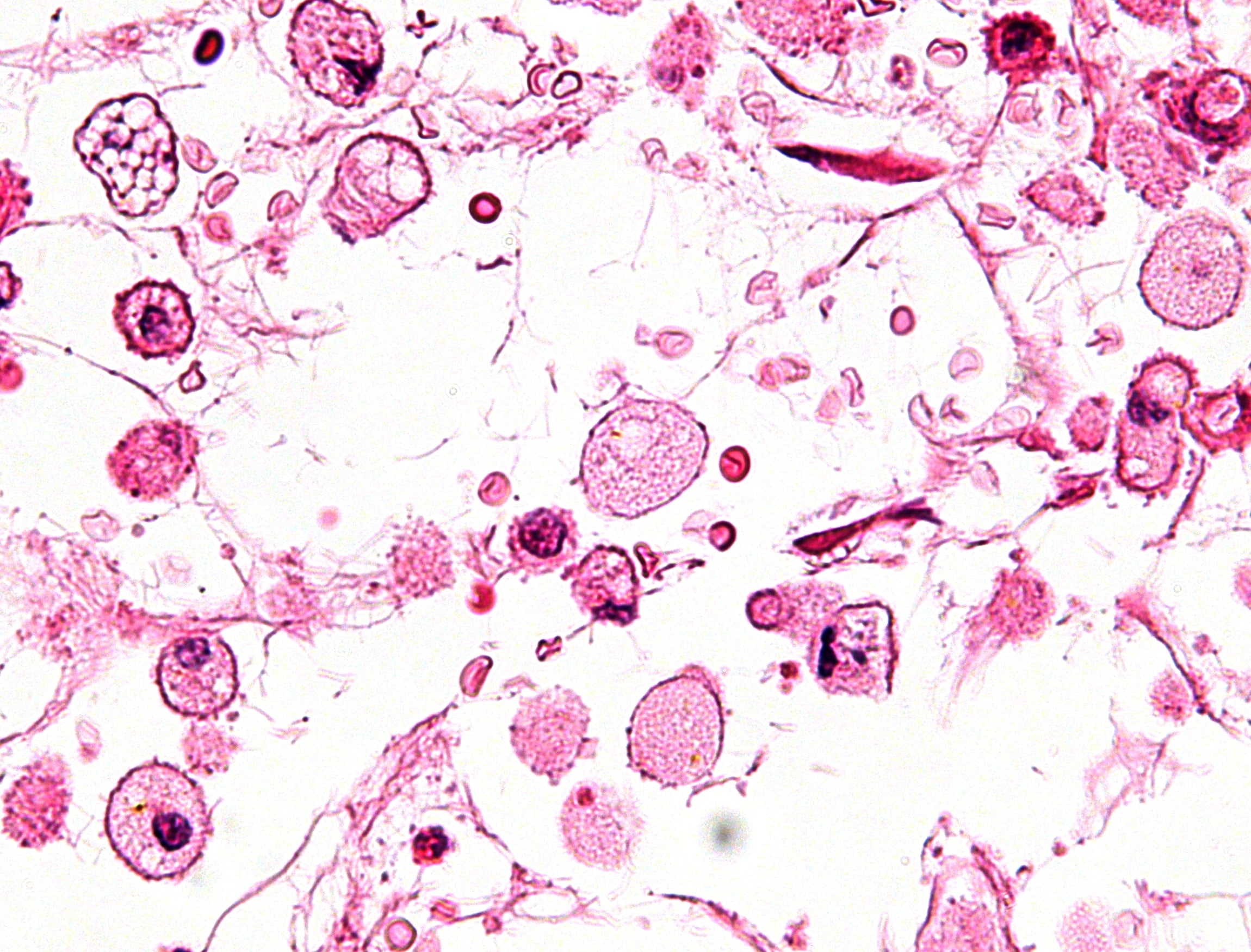
The cell. Without glucocerebrosidase, glucocerebroside (glucosylceramide) cannot be degraded and accumulates within macrophages. The Gaucher cell is a histiocyte of 20-100 microns engorged with glucocerebroside, its cytoplasm described as "crinkled tissue paper" or "wrinkled silk"; it infiltrates bone marrow, spleen, liver and lymph nodes.
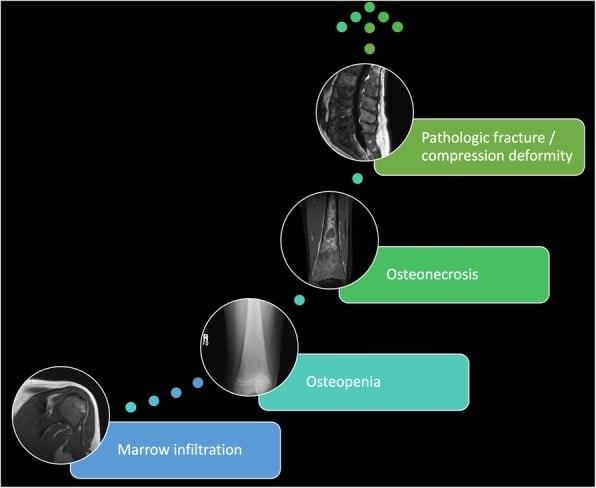
Marrow infiltration. Gaucher cells replace normal marrow. Haematopoiesis falls, producing the cytopenias, and the expanding marrow thins the cortex.
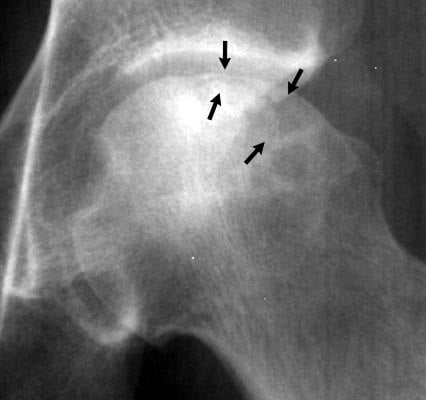
Vascular compromise. Infiltrated marrow becomes ischaemic. The results are medullary bone infarcts, the acute bone crisis, and avascular necrosis of the femoral and humeral heads.
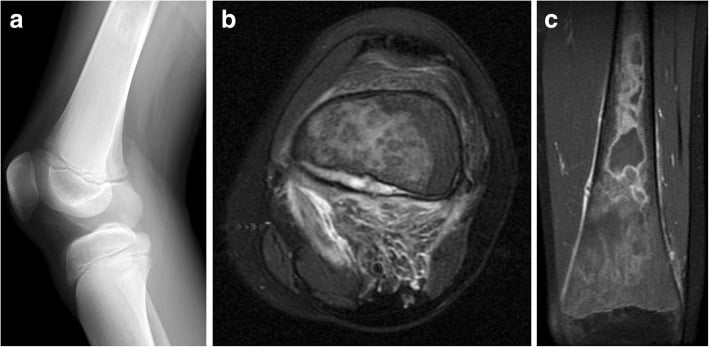
Remodelling failure. Infiltration interferes with osteoclast and osteoblast function. The metaphysis fails to remodel, which is the Erlenmeyer flask, and the bone becomes osteopenic and fractures pathologically.
Classification
- Type 1
- Non-neuronopathic
- Type 2
- Acute neuronopathic
- Type 3
- Chronic neuronopathic
- Type 1
- 95% of cases
- Type 2
- Rare
- Type 3
- Rare
- Type 1
- Childhood to adult
- Type 2
- Infancy (under 2 years)
- Type 3
- Childhood
- Type 1
- None
- Type 2
- Severe, progressive
- Type 3
- Moderate, variable
- Type 1
- Common
- Type 2
- Not relevant (die early)
- Type 3
- Common
- Type 1
- Good with ERT
- Type 2
- Death usually by 2-3 years
- Type 3
- Variable
The three classical types are distinguished by the presence and tempo of central nervous system involvement; skeletal disease is the dominant orthopaedic burden in types 1 and 3.
Type 1. Severity is variable and some patients are diagnosed in adulthood. There is no primary neurological involvement, the bone disease is significant (this is the orthopaedic phenotype), and the response to ERT is excellent.
Type 2. Presentation is in infancy, under 2 years, with severe neurological deterioration, brainstem dysfunction and seizures, and death usually by 2-3 years. ERT does not cross the blood-brain barrier and has no effect on the neurological disease.
Type 3. Presentation is in childhood and the neurological progression is slower than in type 2. Bone and visceral disease resemble type 1, and ERT helps the visceral disease but not the neurological.
Clinical Presentation
Bone crisis. An acute marrow ischaemia or infarction: severe bone pain, often in the femur or tibia, with fever, malaise and a raised ESR and CRP. It mimics osteomyelitis, which is the critical differential, and it settles over days to two weeks.
The mimic. Severe bone pain, fever, swelling, elevated inflammatory markers and marrow oedema on MRI: a crisis looks like osteomyelitis on every front, and bone infarction with subperiosteal haemorrhage can mimic it closely.
The discriminator is not culture. Culture is retrospective. It takes 48 to 72 hours, and the bone aspirate needed to obtain it is the very thing to avoid, a needle into ischaemic bone in a thrombocytopenic patient. Decide with radionuclide scanning: in acute crisis the technetium-99m bone scan is cold (photopenic) over the painful segment because the blood supply is interrupted, whereas osteomyelitis is hot. A labelled-white-cell or gallium scan is positive in infection and negative in crisis, and the two together are the classic discriminating pair. On MRI both give marrow oedema, so look instead for what only infection makes: a rim-enhancing collection, subperiosteal abscess, sinus tract or cortical destruction.
The trap is operating on an infarct: a washout or drainage for what is a self-limiting ischaemic event, in a patient who bleeds. Do not read "not infection" as "never antibiotics" either. Gaucher patients are genuinely more prone to infection, especially after splenectomy, the two can coexist, and a crisis that fails to settle on the expected timescale should be re-imaged rather than waited out.
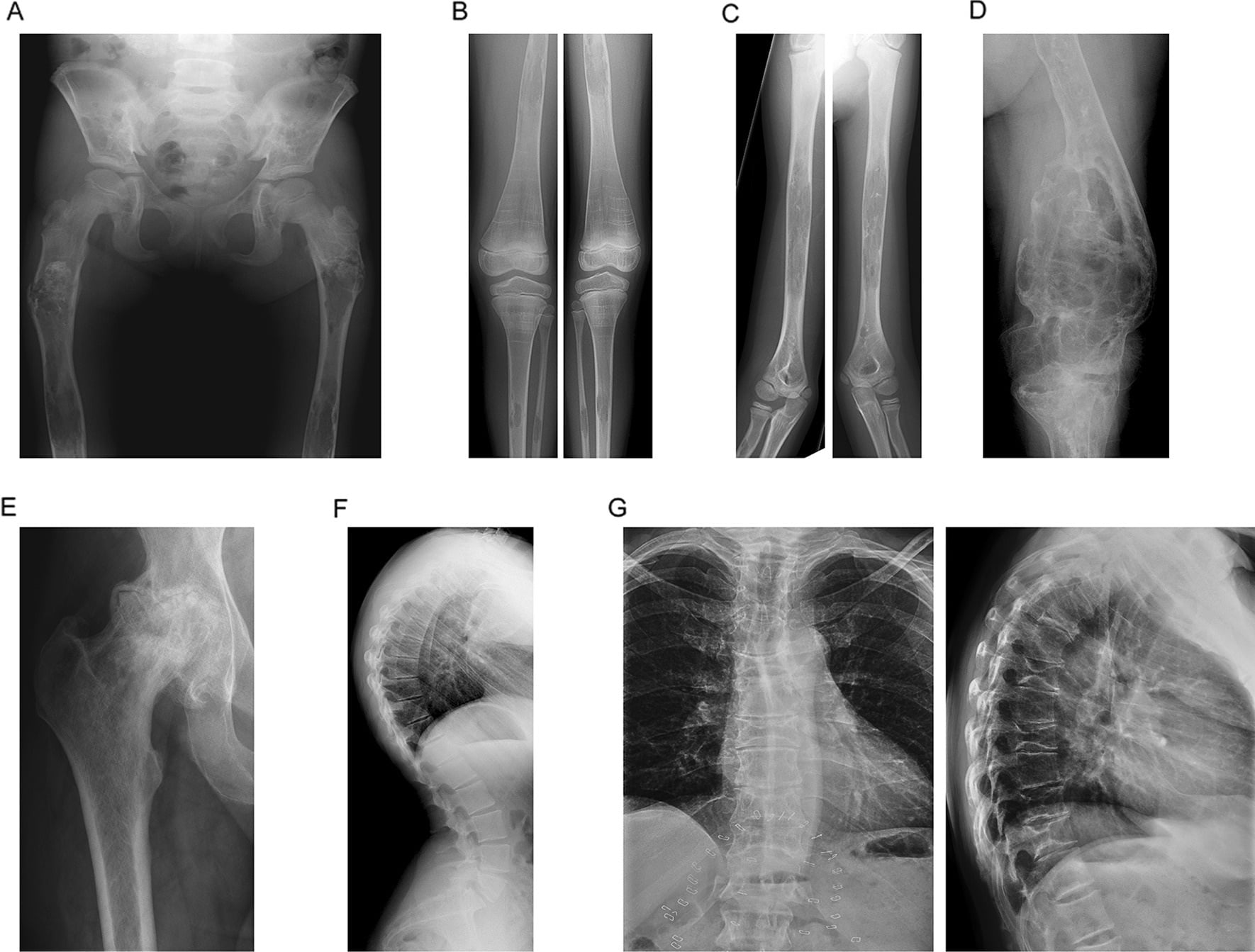
Avascular necrosis. Chronic marrow infiltration compromises the blood supply. The femoral head is the most common site, affected in 40% of type 1 patients, and the humeral head is also affected. Established AVN may progress despite ERT and often requires arthroplasty.
Erlenmeyer flask deformity. The classic radiographic sign, though not a specific one. Metaphyseal remodelling fails, classically at the distal femur, leaving a wide metaphysis and a narrow diaphysis, the flask shape on the radiograph. It is bilateral and symmetric and does not cause symptoms directly.
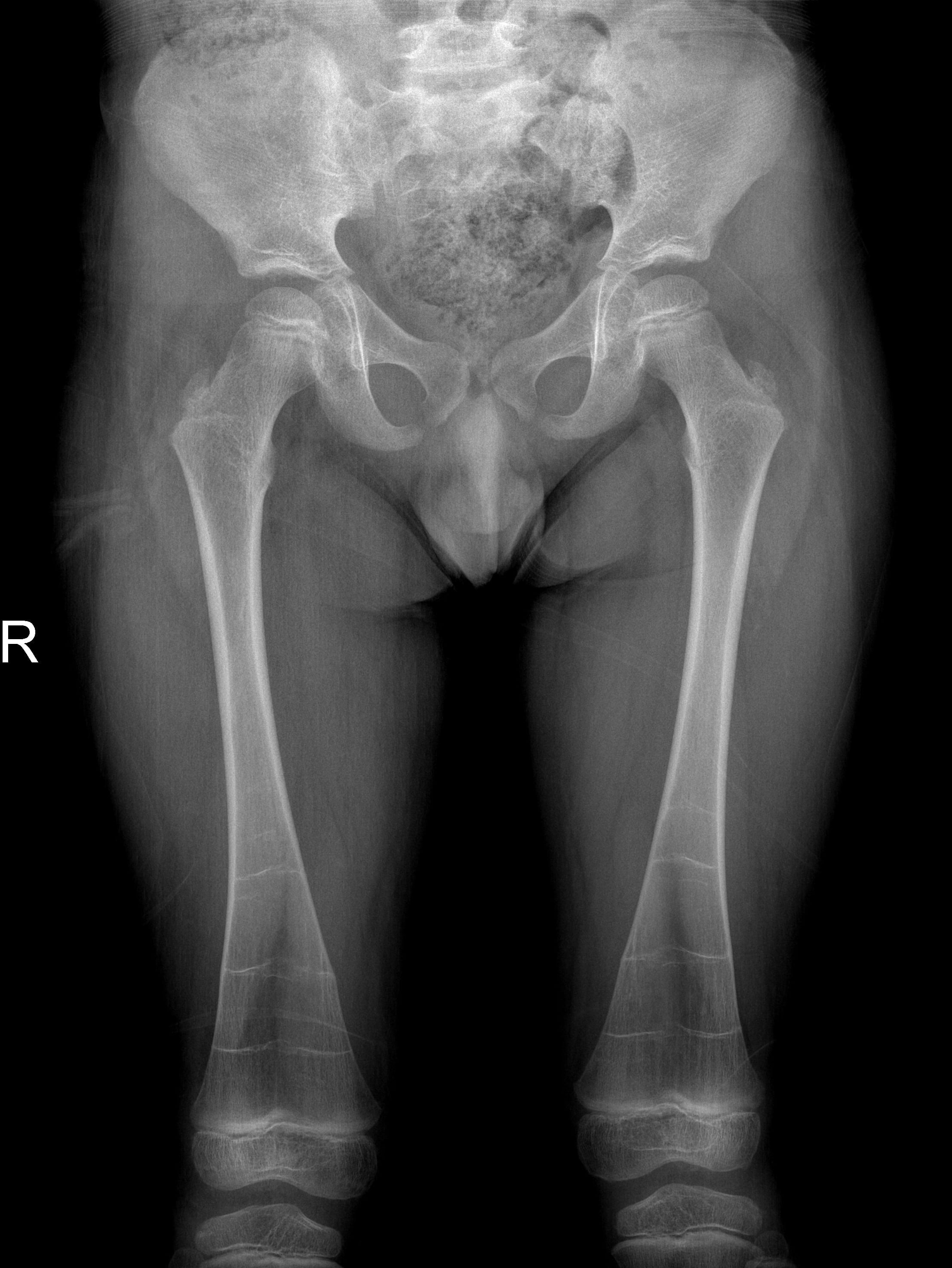
Pathological fractures. Marrow expansion produces osteopenia and cortical thinning. Vertebral compression fractures occur, long bones fracture with minimal trauma, and healing may be delayed.
Other bone features. Medullary bone infarcts, osteonecrosis of vertebrae, growth retardation in children and chronic bone pain.
Investigations
Confirming the diagnosis. Glucocerebrosidase enzyme activity in leukocytes or fibroblasts is definitive: activity under 15% of normal is diagnostic. GBA genetic testing confirms the diagnosis and allows family screening.
Supporting laboratory findings.
- Chitotriosidase markedly elevated (the biomarker)
- Acid phosphatase elevated
- Ferritin elevated
- Full blood count: anaemia, thrombocytopenia
- Coagulation may be abnormal
Gaucher-like ("pseudo-Gaucher") cells are NOT specific to Gaucher disease. Identical lipid-laden macrophages with crinkled cytoplasm appear in chronic myeloid leukaemia and other myeloproliferative/myelodysplastic disorders, thalassaemia and other haemoglobinopathies, multiple myeloma, and some chronic infections (for example mycobacterial). They reflect a high cell-turnover load on macrophages, not glucocerebrosidase deficiency. So a marrow reported as containing "Gaucher cells" must NOT be equated with Gaucher disease - the diagnosis is confirmed by low glucocerebrosidase (acid beta-glucosidase) enzyme activity in leukocytes, supported by GBA genotyping. It also follows that a bone marrow biopsy is not required to diagnose Gaucher disease.
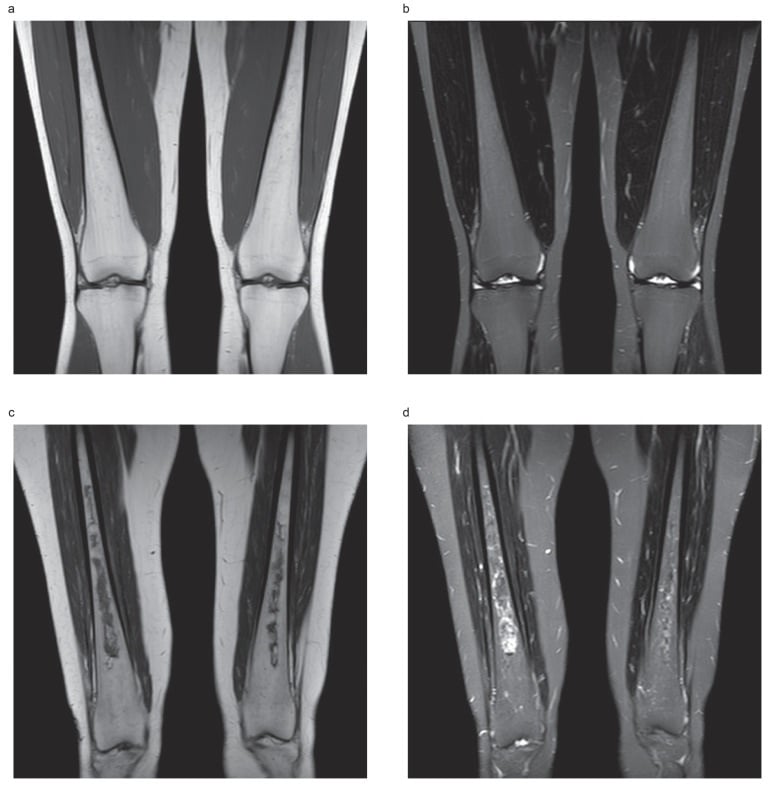
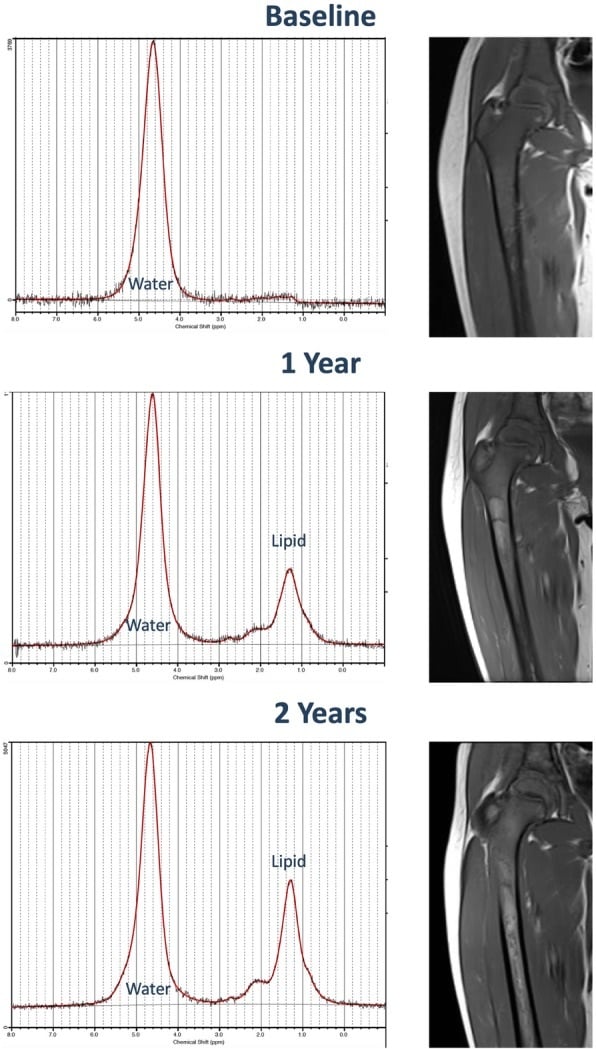
Imaging. Plain radiographs show the Erlenmeyer flask, osteopenia and lytic lesions. MRI is the gold standard for bone assessment: infiltrated marrow is low signal on T1 because the fatty marrow has been replaced, and MRI is what detects AVN and bone infarcts and yields the bone marrow burden score. CT assesses hepatosplenomegaly and DXA measures bone mineral density.
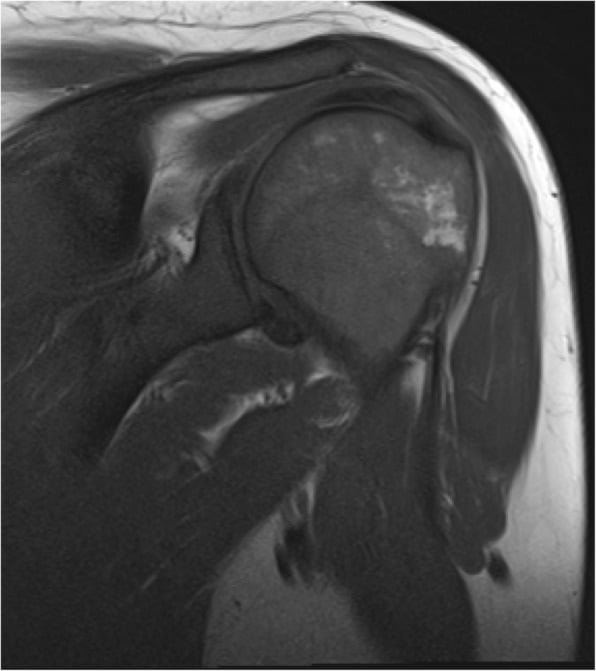
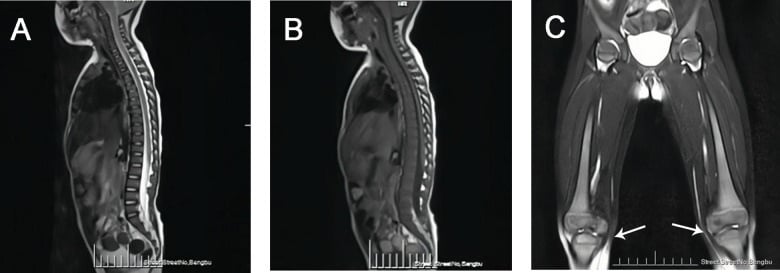
Bone marrow burden score. The MRI score quantifies the severity of marrow infiltration and correlates with the risk of bone complications; it is used to guide treatment intensity, to monitor the response to ERT and to predict fracture risk.
- Points
- 0-8
- Points
- 0-8
- Points
- Additional points
Paediatric Skeletal Disease and the Case for Early Treatment
Bone involvement frequently begins in childhood and adolescence, and the growing skeleton has features the adult does not.
Growth. Marrow infiltration and the chronic metabolic burden retard linear growth and skeletal maturation, so many untreated children fall below their genetic height potential, with a delayed bone age and delayed puberty.
Crises and necrosis in children. Acute bone crises and AVN of the hip, shoulder and proximal tibia occur in children and adolescents, not only in adults. A crisis in a child is again culture-negative infarction, not infection.
Modelling. Because remodelling failure happens while the bone is still growing, the Erlenmeyer flask deformity and generalised osteopenia are established in childhood.
Why early treatment matters. Starting ERT early in symptomatic children can restore growth velocity, normalise bone age, and reduce the risk of irreversible AVN and pathological fracture. Once AVN has occurred it does not reverse, so the window is before structural damage, and this is the strongest argument for prompt diagnosis and treatment. Paediatric disease is therefore managed by a metabolic team with growth, puberty and skeletal monitoring, and the threshold for the diagnostic enzyme assay in a child with unexplained splenomegaly, cytopenia or bone pain should be low.
Systemic Features
Blood. Anaemia follows Gaucher cell replacement of the marrow and thrombocytopenia follows splenic sequestration; leukopenia is less common. The bleeding tendency has both platelet and coagulation defects behind it, which is what makes these patients bleed at surgery.
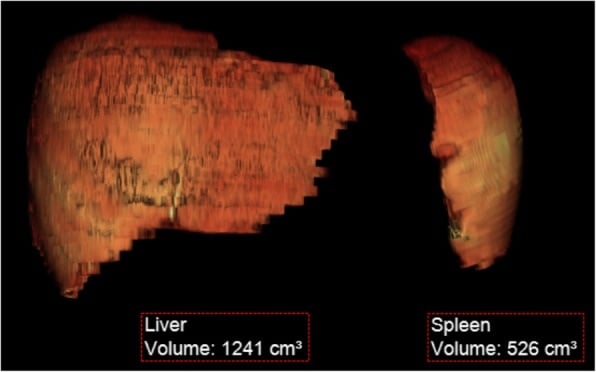
Liver and spleen. Splenomegaly is massive, 25 times normal, and the liver enlarges to 2-3 times normal. Hypersplenism adds to the cytopenias, and the organs may cause abdominal discomfort. MRI-derived liver and spleen volumes give reproducible treatment-response measures without ionising radiation; report organ volume as multiples of normal rather than centimetres, and track it alongside blood counts, biomarkers and skeletal MRI.
Management
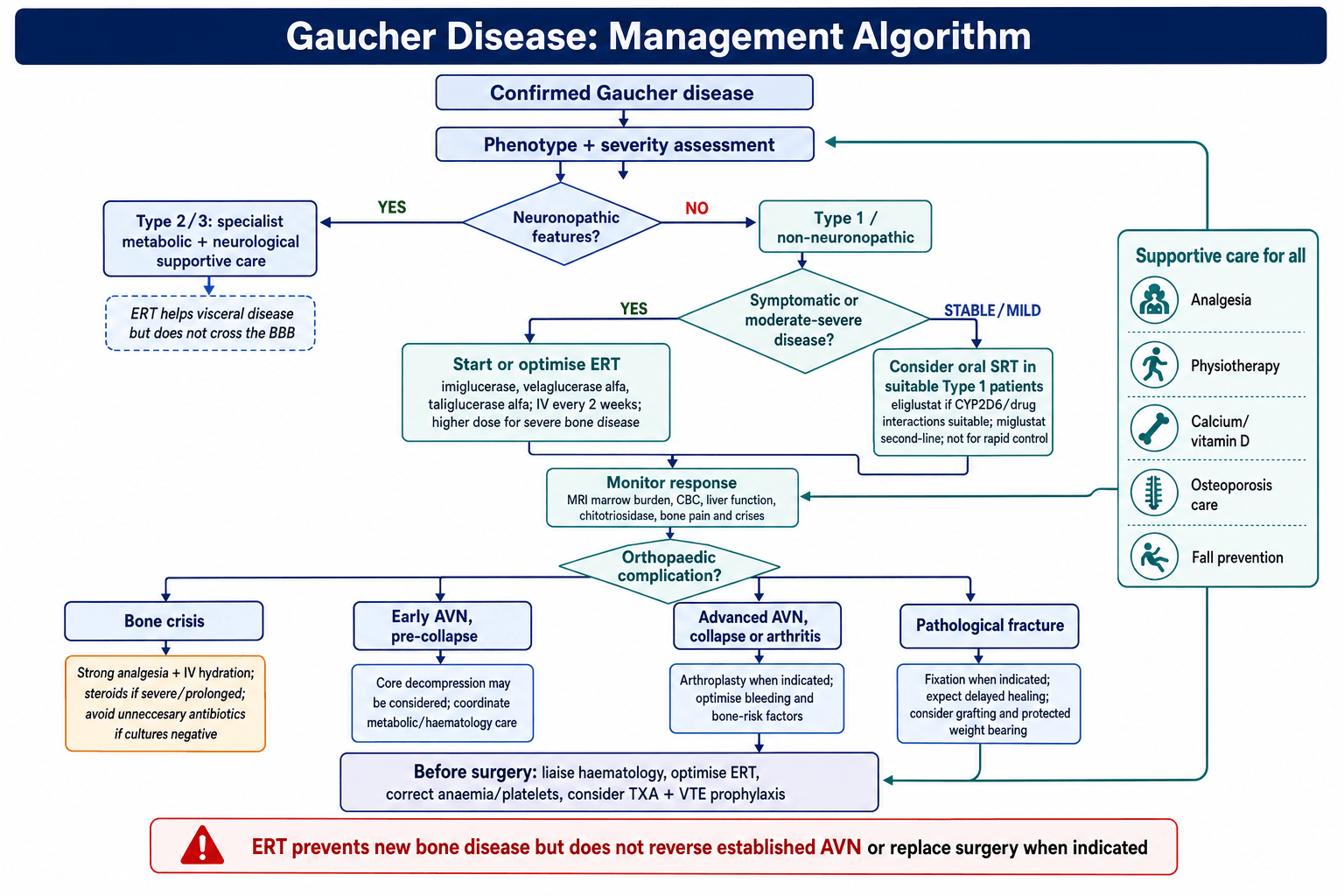
Enzyme replacement therapy. Recombinant glucocerebrosidase given intravenously, 30-60 units/kg every 2 weeks, lifelong, with higher doses for severe bone disease. Three agents exist: imiglucerase (Cerezyme), the first; velaglucerase alfa (VPRIV); and taliglucerase alfa (Elelyso), which is plant-derived. ERT reduces hepatosplenomegaly within months, improves the haematological parameters and prevents new bone disease, and it remains the gold standard for moderate to severe disease. Response is monitored with regular MRI for marrow burden, blood counts, liver function and chitotriosidase.
Substrate reduction therapy. SRT reduces glucocerebroside synthesis and is taken orally, so there are no infusion reactions. Eliglustat (Cerdelga) is first-line for eligible type 1 patients: it is approved for most, but CYP2D6 metabolism affects dosing, certain CYP2D6 genotypes exclude it, and drug interactions matter. Miglustat (Zavesca) is second-line. SRT is not for rapid disease control; it is a convenient alternative for stable patients, including those stabilised on ERT.
What ERT does not do:
- Cross the blood-brain barrier (no neurological benefit)
- Reverse established AVN
- Completely prevent bone complications in all patients
- Replace need for surgical management when indicated
Treating a bone crisis. Strong analgesia, opioids often being required, with intravenous hydration and rest. Corticosteroids are used by some centres for a severe or prolonged crisis but are not established, and they are a poor reflex in a disease whose dominant skeletal problem is already osteonecrosis. NSAIDs need caution because of the platelet dysfunction.
Osteoporosis and chronic pain. Bisphosphonates have limited evidence; calcium and vitamin D supplementation and fall prevention are used. Chronic bone pain is common and is managed with multimodal analgesia and physiotherapy, alongside the disease-modifying therapy.
Surgical Management
Before any operation. Bleeding is the first problem, from thrombocytopenia and platelet dysfunction together with the coagulation defects. Check the platelet count and function and the coagulation studies, liaise with haematology, transfuse platelets if needed to a target greater than 50,000, consider tranexamic acid, and be meticulous with haemostasis. Then plan for the rest of the disease: delayed bone healing (protected weight bearing and longer follow-up), higher infection risk (standard prophylaxis and vigilance), increased VTE risk (extended prophylaxis), poor bone quality with a risk of implant loosening (cement fixation), and a prolonged recovery, which is the reason to ensure a recent ERT infusion and optimise dosing around surgery.
BLEEDSurgical Precautions - BLEED
Hook:BLEED: Bleeding, Liaise, ERT, Expect delayed healing, DVT prophylaxis
Early AVN, before collapse. Core decompression may slow progression, but the evidence in Gaucher-related AVN is limited, and the decision is made with haematology.
Advanced AVN, collapse or arthritis. Total hip or total shoulder arthroplasty, accepting a higher complication rate than in primary osteoarthritis and an increased bleeding risk. Cement may be preferable given the poor bone quality, though the evidence is not settled: in Cohen's series of 54 hips, cement use did not affect implant longevity, and the cementless ceramic-on-ceramic group had no revisions so far, which reflects the shortest follow-up rather than a proven best bearing.
Pathological fracture. Surgical fixation when indicated, with the soft bone making internal fixation challenging; bone grafting may be required and delayed healing is expected.
Splenectomy. Rarely needed now that ERT exists, and reserved for massive, symptomatic splenomegaly, with partial splenectomy preferred. The spleen is doing the storing: removing it may worsen bone disease by increasing marrow infiltration, which is why the Registry found bone disease more likely in asplenic patients and the consensus advice is to avoid it where possible.
Complications
Skeletal. Progressive AVN requiring arthroplasty, chronic bone pain, multiple pathological fractures, vertebral collapse and growth retardation: the processes described above, carried forward over years, and often several at once in the same skeleton.
Haematological. Severe anaemia requiring transfusion, bleeding complications and hypersplenism.
Beyond bone and blood. Pulmonary involvement is rare, and pulmonary hypertension occurs. The risk of malignancy is increased, particularly myeloma and lymphoma. Parkinsonism is associated with GBA mutations, including in heterozygotes.
Outcomes and Prognosis
In the ERT era. Life expectancy in type 1 is near-normal, splenectomy rates have fallen dramatically, new bone complications are prevented and quality of life is greatly improved. On the skeletal side new bone crises are reduced, bone density improves slowly and pathological fractures are less common with treatment. In the Registry cohort followed on ERT, 52% of patients with prior bone pain were pain-free at 2 years and 94% of those with prior crises had no further crises, figures from small denominators (67 of 128 and 48 of 51) in an uncontrolled cohort.
Arthroplasty. Functional results are good, but revision may be needed earlier than in primary osteoarthritis. In Cohen's series, operated at a mean age of 42, 15-year implant survival was 60% with a mean implant life of 12.8 years, so a patient may face two or three revisions in a normal lifespan; that is the argument for exhausting joint-preserving options and optimising enzyme therapy first, and for delaying arthroplasty where symptoms allow.
Guidelines, Registries & Global Practice
Global Epidemiology:
- Pan-ethnic but markedly enriched in Ashkenazi Jewish populations (carrier frequency around 1:15; affected approximately 1:800)
- General population prevalence approximately 1:40,000 to 1:60,000
- The international ICGG Gaucher Registry remains the largest natural-history dataset; many countries maintain national registries to monitor long-term treatment outcomes
Side-by-Side Guidance:
- Emphasis
- Achievable treatment goals; structured monitoring; avoid splenectomy; semi-quantitative bone MRI
- Emphasis
- Diagnostic confirmation by enzyme assay plus genotyping; lifelong specialist follow-up
- Emphasis
- Newborn and high-risk screening; SRT (eliglustat) as oral first-line option in eligible type 1 adults
- Imiglucerase, velaglucerase alfa, and taliglucerase alfa (ERT) and eliglustat / miglustat (SRT) are high-cost orphan drugs; most health systems restrict access to confirmed disease prescribed through specialist metabolic services
- High-resource settings: ready access to ERT/SRT, MRI monitoring, and multidisciplinary metabolic-orthopaedic-haematology teams
- Limited-resource settings: diagnosis may be delayed; ERT access constrained by cost; greater reliance on supportive care, with higher rates of advanced AVN and splenectomy
- Patients requiring joint replacement, fracture fixation, or spinal surgery must be co-managed with haematology and metabolic medicine, with perioperative platelet and bleeding-risk optimisation
MCQ Practice Points
Q: What enzyme is deficient in Gaucher disease and what accumulates?
A: Glucocerebrosidase (beta-glucosidase) deficiency leads to accumulation of glucocerebroside in macrophages. These lipid-laden macrophages are called Gaucher cells and accumulate in bone marrow, spleen, and liver. GBA gene mutation on chromosome 1 causes the deficiency.
Q: What is the Erlenmeyer flask deformity and what causes it?
A: Failure of distal femoral metaphyseal remodeling due to Gaucher cell infiltration of the marrow, resulting in a flask-shaped appearance. The normal metaphyseal flaring persists because marrow expansion prevents normal cortical remodeling during growth. Also seen in distal tibia.
Q: The Erlenmeyer flask deformity is NOT specific to Gaucher. What else causes it?
A: A classic radiology viva list - remember "LEGS-NOP": Lead (heavy-metal) poisoning, Erlenmeyer in haemoglobinopathies (thalassaemia, sickle cell), Gaucher disease, Spondyloepiphyseal/other storage disorders; plus Niemann-Pick, Osteopetrosis, and Pyle disease / craniometaphyseal dysplasia (the inherited metaphyseal dysplasias). In an exam, name Gaucher first but show you know the deformity reflects any process that blocks normal metaphyseal "tubulation".
Q: A patient with Gaucher disease presents with severe bone pain, fever, and elevated inflammatory markers. Blood cultures are negative. What is the diagnosis?
A: Bone crisis - severe pain episode mimicking osteomyelitis but cultures are NEGATIVE. Caused by bone infarction from marrow infiltration with Gaucher cells. Treatment is supportive (analgesia, hydration), NOT antibiotics. ERT reduces frequency of crises.
Q: What is the inheritance pattern of Gaucher disease and which population has highest prevalence?
A: Autosomal recessive inheritance. Highest prevalence in Ashkenazi Jewish population (1:800 carrier frequency, 1:40,000 affected). Type 1 (non-neuronopathic) is most common and has best prognosis with ERT. Types 2 and 3 have neuronopathic features.
Self-Assessment Quiz
Exam Viva Scenarios
Practise clinical reasoning and management decisions out loud
“A 25-year-old man with known Gaucher Type 1 on ERT presents to ED with severe right thigh pain, fever, and inability to weight bear. X-ray shows Erlenmeyer flask deformity. His GP has started IV antibiotics for presumed osteomyelitis. What is your assessment?”
“A 35-year-old woman with Type 1 Gaucher disease presents with bilateral hip pain worse on the left. MRI shows Ficat Stage 4 AVN of the left femoral head and Stage 2 on the right. She is on ERT. How would you manage her?”
“A 45-year-old man with Type 1 Gaucher disease on ERT falls and sustains a distal femur fracture. X-ray shows Erlenmeyer flask deformity and an AO 33-A2 fracture. Describe your management.”
GENETICS
- GBA gene (chromosome 1)
- Glucocerebrosidase deficiency
- Autosomal recessive
- 1:800 Ashkenazi Jews
- Gaucher cells = lipid-laden macrophages
TYPES
- Type 1: Non-neuro, 95%, good prognosis
- Type 2: Acute neuro, death usually by 2-3 years
- Type 3: Chronic neuro, variable
BONE MANIFESTATIONS
- Erlenmeyer flask deformity
- Bone crises (mimic osteomyelitis)
- AVN (hip 40%)
- Pathological fractures
- Osteopenia
BONE CRISIS
- NOT infection
- Culture negative
- Analgesia, hydration, steroids
- Do NOT give antibiotics unless proven
TREATMENT
- ERT: Imiglucerase, velaglucerase
- SRT: Eliglustat (oral)
- Does NOT cross BBB
- Cannot reverse established AVN
SURGICAL PRECAUTIONS
- Bleeding risk - check platelets
- Liaise with hematology
- Delayed bone healing
- Cement fixation for arthroplasty
- Extended VTE prophylaxis
Evidence Base
Charrow et al (ICGG Gaucher Registry)
- Largest cohort: 1698 patients across 38 countries before ERT
- 94% type 1, fewer than 1% type 2, 5% type 3; N370S (53%) and L444P (18%) most common alleles
- Bone pain in 63% and radiological bone disease in 94% of patients
- Bone disease more likely in asplenic patients
Grabowski
- Authoritative review of phenotype, diagnosis, and treatment
- ERT inhibits or reverses visceral and hematological disease
- Bone disease may progress despite treatment
- Substrate reduction and chaperone strategies emerging
Weinreb et al (Gaucher Registry)
- 1028 type 1 patients followed 2 to 5 years on ERT
- Hemoglobin normalised within 6 to 12 months; organomegaly markedly reduced
- Of patients with prior bone pain, 52% became pain-free at 2 years - but the denominator is only 128 (67 of 128), not the full 1028
- 94% of those with prior bone crises reported no further crises - and this denominator is smaller still, 48 of just 51 patients
- Splenomegaly fell 50-60% but RARELY below five times normal size; hepatomegaly fell 30-40%
- The chance of normalising the platelet count fell as baseline thrombocytopenia worsened - the sicker the marrow, the less complete the recovery
Mistry et al (ENGAGE)
- Phase 3 RCT of oral eliglustat vs PLACEBO - not against enzyme replacement therapy - in 40 treatment-naive type 1 patients over 9 months
- Spleen volume fell 27.8% vs placebo (absolute difference -30%, P less than .001)
- Hemoglobin rose 1.22 g/dL and platelet count rose 41% vs placebo
- No serious adverse events
- EVERY ENDPOINT WAS VISCERAL OR HAEMATOLOGICAL. Spleen volume, liver volume, haemoglobin and platelet count - no skeletal outcome was measured at all, and 9 months is far shorter than bone responds over. This trial says nothing about Gaucher bone disease
- The authors declined the broader claim themselves: 'the clinical significance of these findings is uncertain, and more definitive conclusions about clinical efficacy and utility will require comparison with the standard treatment of enzyme replacement therapy as well as longer-term follow-up'
Cox et al (international expert consensus)
- Sixteen-author international panel critically reviewing the consensus therapeutic goals and monitoring guidelines for NON-NEURONOPATHIC (type 1) disease
- Specific recommendations on pregnancy, the appropriate use of splenectomy and of bisphosphonates, the relevance of biochemical markers, and semi-quantitative assessment of bone marrow infiltration
- Splenectomy should be avoided where possible - it worsens bone disease
- The panel explicitly identifies what is MISSING: there is no validated index of disease severity, the widely used biomarkers have not been correlated with long-term outcomes, and there is no agreed standard for monitoring bone disease, particularly in infants and children
Cohen et al
- 48 Gaucher patients with 54 hip implants for osteonecrosis-related arthrosis, mean age at operation 42 years
- 15-year implant survival 60%; mean implant life 12.8 years
- Cementless ceramic-on-ceramic bearings outperformed other constructs (no revisions in that group so far)
- Cement use, genotype and sex did not affect longevity
- OLDER AGE AT SURGERY CARRIED A LOWER REVISION RISK - the paper's recommendation is explicitly for THR 'especially at older age'