Muscle Breakdown | CK Elevation | Myoglobinuria | Acute Kidney Injury
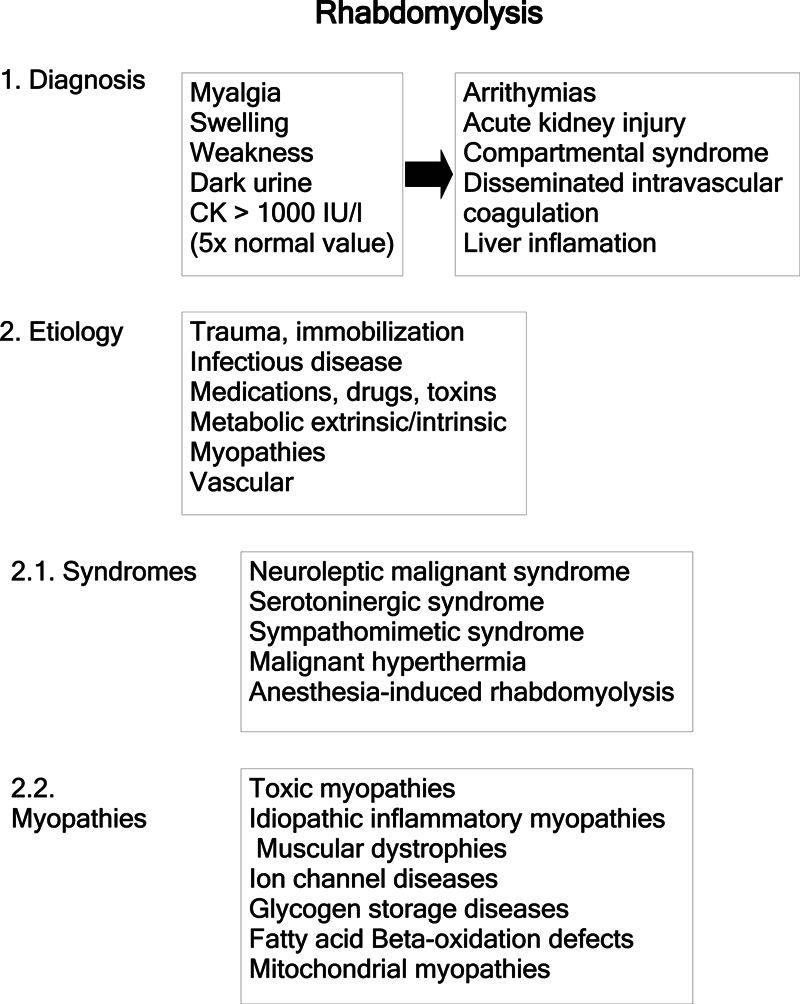
- Diagnosis uses a compatible muscle-injury syndrome plus CK elevation; no single CK value defines every case or treatment level
- Dark urine and a haem-positive dipstick without red cells support pigmenturia but are insensitive and not specific for myoglobin
- Hyperkalaemia, hypovolaemia, acidosis, AKI and compartment syndrome require immediate recognition
- Give isotonic crystalloid for hypovolaemia/renal-risk patients and titrate to perfusion, renal function and fluid tolerance—not a universal urine-output target
- Routine bicarbonate or mannitol has no proven renal benefit and should not be a severity-category default
- “Treat the cause and physiology, not a CK band
- “Anuria/established AKI changes fluid safety; more fluid is not automatically better
- “Dialysis follows standard refractory electrolyte, acid-base, volume or uraemic indications—not CK or myoglobin removal alone
- “A rising CK prompts reassessment for ongoing injury but kinetics vary with timing and cause
Overview and Epidemiology
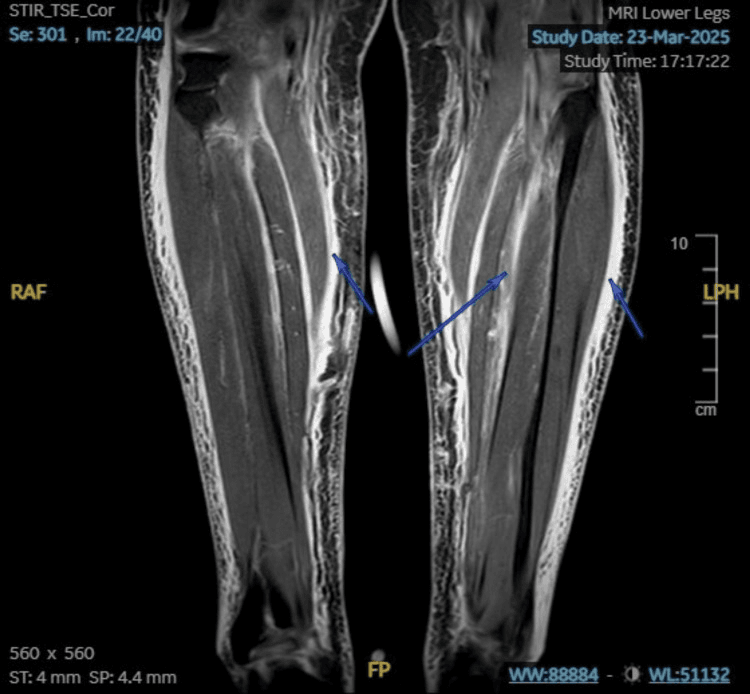
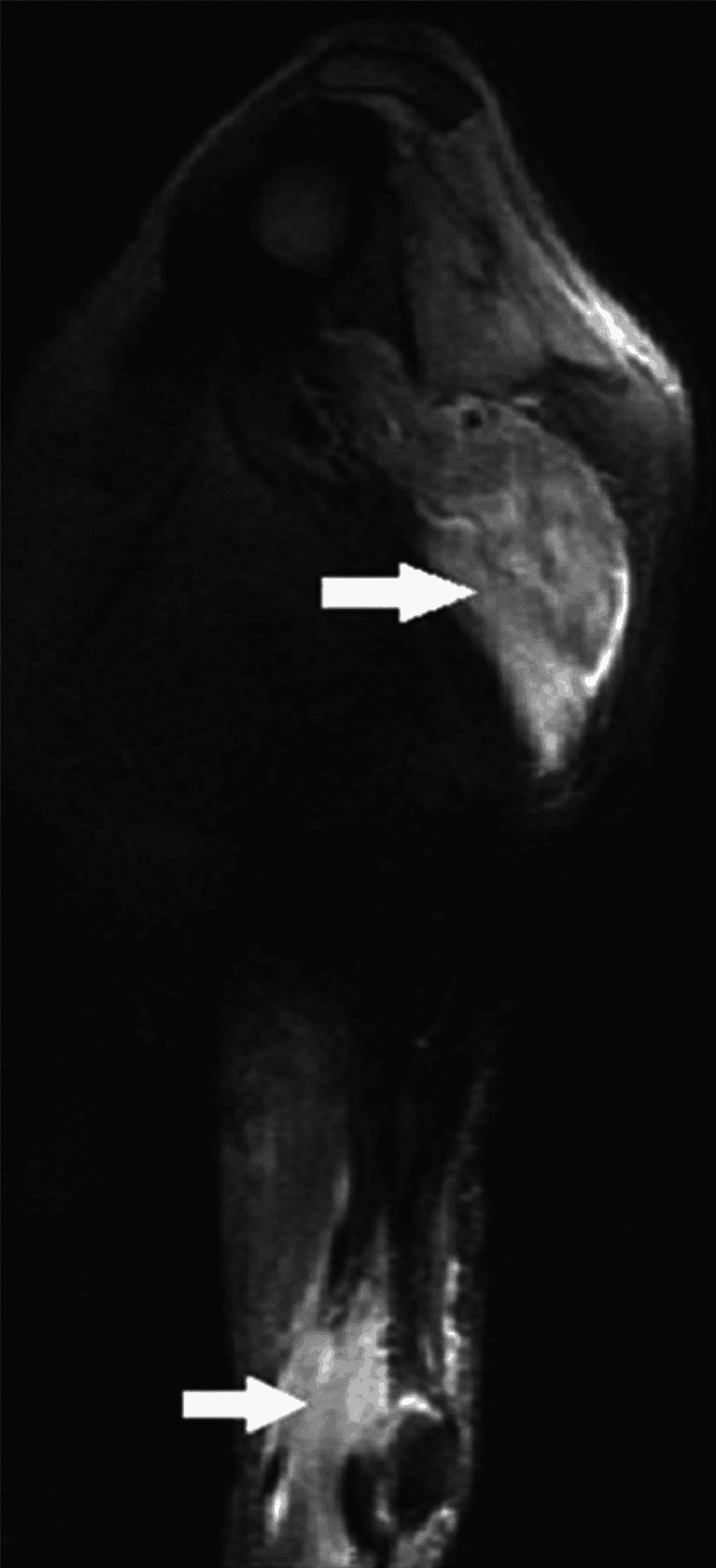
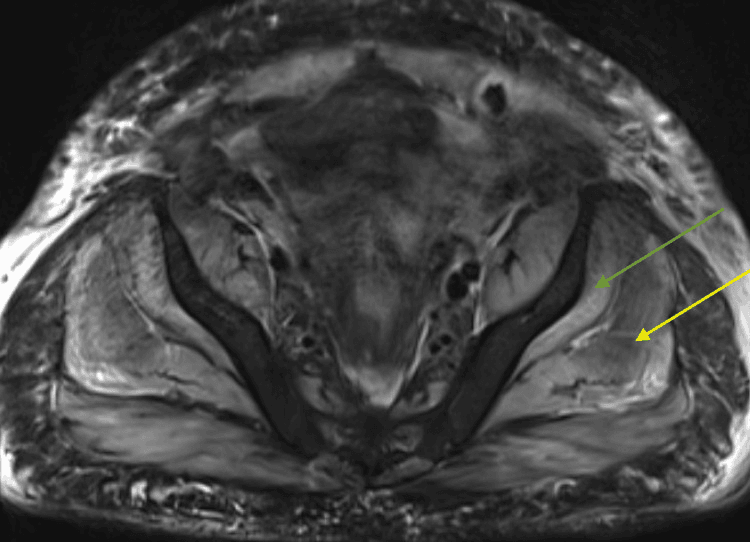
Rhabdomyolysis is a syndrome of skeletal muscle breakdown with release of intracellular contents into the circulation, leading to myoglobinuria and potential acute kidney injury (AKI). It is a serious complication of compartment syndrome, crush injuries and other muscle-damaging conditions.
Causes. Orthopaedic practice must recognise crush and acute compartment syndrome, but routine admissions also arise from exertion, drugs, seizures, immobility, infection and inflammatory or metabolic myopathy.
- Compartment syndrome - the most common orthopaedic cause; rhabdomyolysis is a common complication of it, especially if delayed over 6 hours
- Crush injury - prolonged compression, as in earthquakes and building collapse
- Prolonged immobility - the unconscious patient, with pressure necrosis from immobility
- Seizures - muscle damage from convulsions
- Exertion - exercise-induced (exertional) rhabdomyolysis
- Drugs - statins and alcohol
- Heat-related illness - including heat stroke
Acute compartment syndrome can cause ongoing muscle ischaemia and rhabdomyolysis, but rhabdomyolysis neither proves nor times the compartment diagnosis. Decompress diagnosed acute compartment syndrome promptly; monitor systemic muscle injury according to physiology after source control.
Anatomy and Pathophysiology
What the muscle holds. Skeletal muscle contains high concentrations of creatine kinase (CK) and myoglobin, an oxygen-binding protein. Disruption of the muscle cell membrane releases both into the circulation.
The final common pathway. Whatever the trigger (direct trauma, ischaemia, metabolic, toxic), the end result is an uncontrolled rise in intracellular calcium. ATP depletion impairs the Na+/K+ and Ca2+ ATPase pumps, and calcium floods the myocyte, activating proteases and phospholipases that destroy the sarcolemma.
What escapes, and what is sequestered. Membrane rupture releases CK, myoglobin, potassium, phosphate, urate and purines into the circulation. Extracellular fluid and calcium are meanwhile sequestered into the damaged muscle, and this third-spacing causes hypovolaemia and early hypocalcaemia.
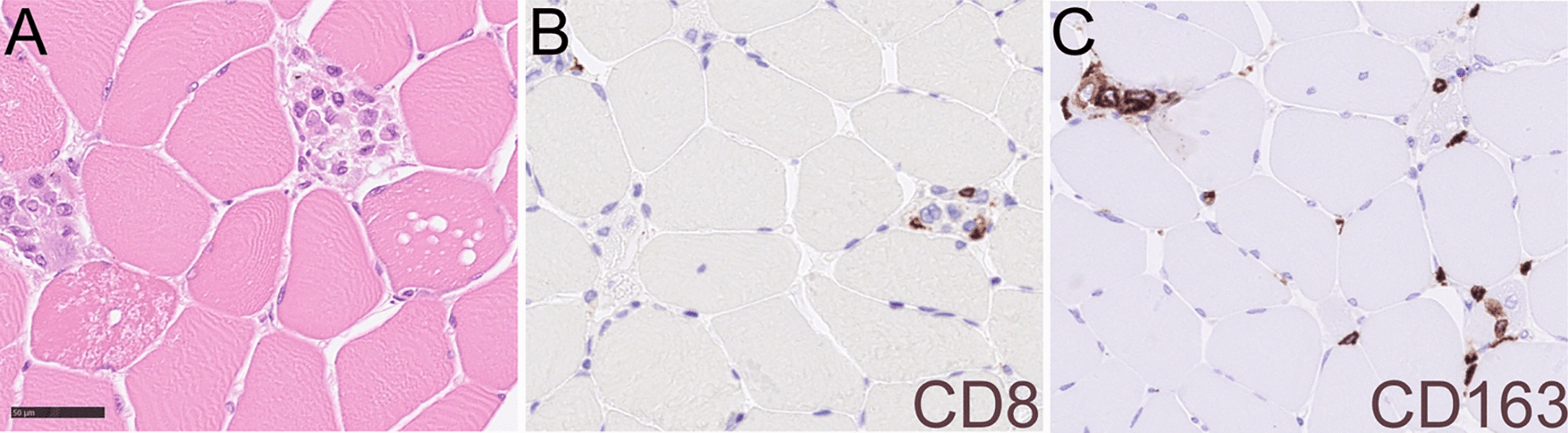
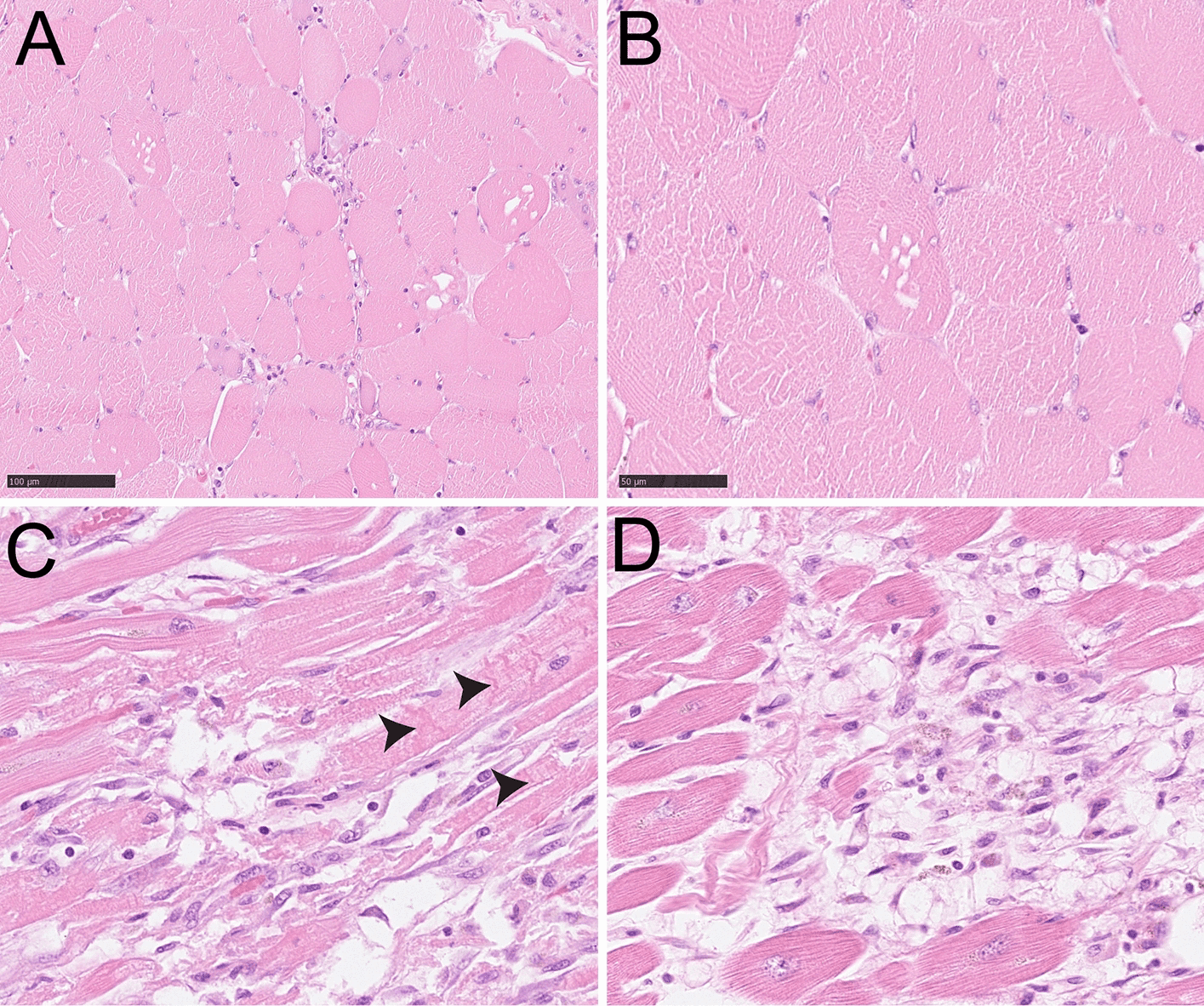
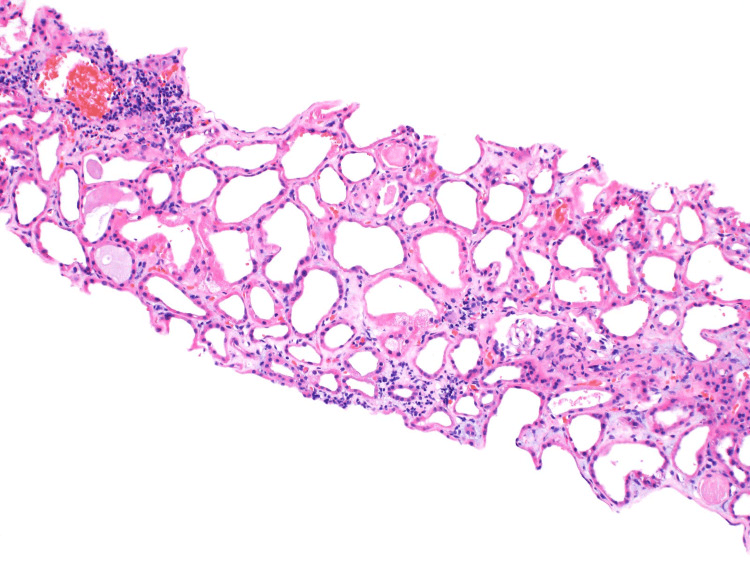
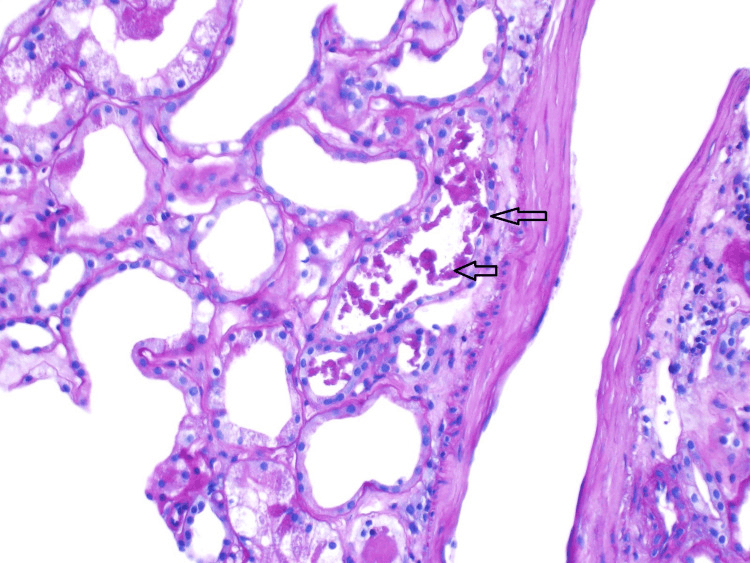
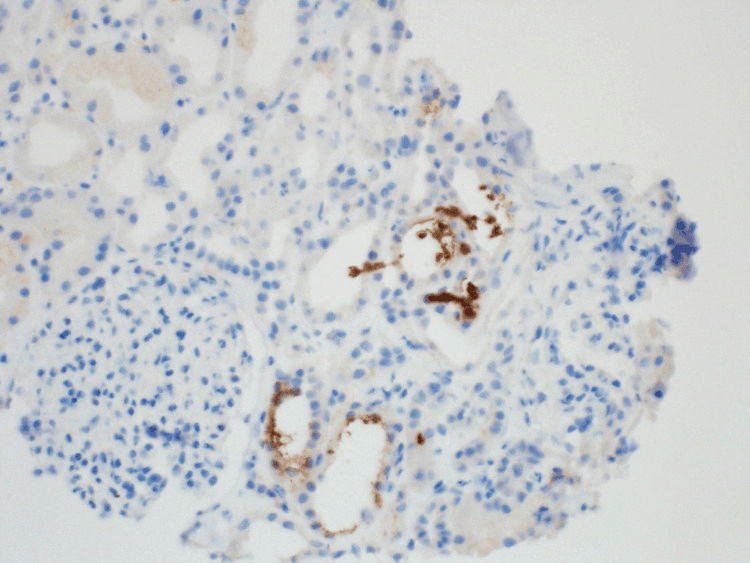
The kidney. Glomeruli filter myoglobin from the blood, and it precipitates in the renal tubules, promoted by acidic urine (pH under 5.6). Tubular obstruction reduces GFR, and the result is acute tubular necrosis and AKI, with hyperkalaemia. Three mechanisms of myoglobinuric AKI are described, all favoured by hypovolaemia and aciduria:
- Renal vasoconstriction and ischaemia - hypovolaemia plus scavenging of nitric oxide by myoglobin reduces medullary blood flow
- Intratubular cast formation - myoglobin precipitates with Tamm-Horsfall protein, especially in acidic urine, obstructing distal tubules
- Direct haem-mediated tubular toxicity - iron-catalysed lipid peroxidation and free-radical injury of proximal tubular cells
Classification Systems
Severity is classified by complication rather than by CK, and the last column of the severity table shows why CK alone fails in each state.
- Examples
- Exertion/drug/immobility with stable electrolytes and kidneys
- Management implication
- Cause control, hydration to need, follow trend
- Why CK Alone Fails
- High CK can occur with low complication risk
- Examples
- AKI, hyperkalaemia, acidosis, shock, heat illness or DIC
- Management implication
- Emergency/critical-care physiology
- Why CK Alone Fails
- Moderate CK may coexist with severe organ failure
- Examples
- Acute compartment syndrome, necrotic/infected muscle or limb ischaemia
- Management implication
- Urgent source-control assessment
- Why CK Alone Fails
- CK cannot diagnose or time fasciotomy
Clinical Assessment
History. The history is a search for the cause: compartment syndrome, crush with prolonged compression, a period lying unconscious, seizures, exertion, heat exposure, and drugs, statins and alcohol in particular.
Examination. Look for swollen, tender muscles, weakness and myalgia, and for the signs of compartment syndrome if it is present. The systemic signs are dark, tea-coloured urine (myoglobinuria), decreased urine output, ECG changes of hyperkalaemia, and the signs of AKI: oliguria and fluid overload.
The urine. Dark urine is neither required nor specific. It may be myoglobin, haemoglobin, red cells, drugs or diet, and normal-coloured urine does not exclude rhabdomyolysis.
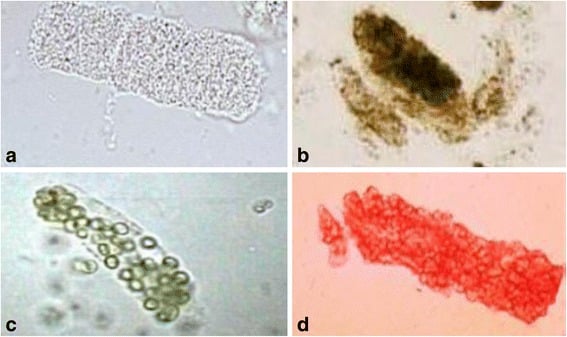
- Dipstick and microscopy - a haem-positive dipstick with few or no red cells supports pigmenturia but cannot by itself distinguish myoglobin from haemoglobin. Confirm pigmenturia with the clinical context, CK and microscopy; haemoglobinuria and haematuria remain alternatives.
- Output - oliguria or anuria is a renal and haemodynamic warning and makes fixed-volume loading hazardous.
Differential Diagnosis
Dark urine and the "blood-positive dipstick with no red cells" picture have a short, high-yield differential. The key discriminators are the serum CK and urine microscopy.
- Distinguishing Feature
- Muscle pain/weakness, swelling, recent crush/exertion
- Serum CK
- Markedly raised (over 5x normal)
- Urine Microscopy / Dipstick
- Dipstick blood positive, NO red cells; pigmented granular casts
- Distinguishing Feature
- Anaemia, raised LDH/bilirubin, low haptoglobin; pink plasma
- Serum CK
- Normal
- Urine Microscopy / Dipstick
- Dipstick blood positive, no red cells; plasma pink (myoglobin clears, Hb stains plasma)
- Distinguishing Feature
- Renal/urological cause, clots
- Serum CK
- Normal
- Urine Microscopy / Dipstick
- Dipstick blood positive WITH red cells on microscopy
- Distinguishing Feature
- Chest pain, no myalgia
- Serum CK
- Raised but CK-MB fraction high, troponin positive
- Urine Microscopy / Dipstick
- Urine clear, dipstick negative
- Distinguishing Feature
- Subacute proximal weakness, autoantibodies
- Serum CK
- Moderately raised, fluctuating
- Urine Microscopy / Dipstick
- Usually clear urine
- Distinguishing Feature
- Dietary/drug history
- Serum CK
- Normal
- Urine Microscopy / Dipstick
- Dipstick blood NEGATIVE
Investigations
The diagnosis. A compatible muscle injury plus CK elevation above the laboratory upper limit; definitions vary by laboratory and context. At assessment, send CK, potassium, bicarbonate, phosphate, calcium, creatinine and urea, and urinalysis with microscopy, record an ECG when risk warrants, and add tests for the suspected cause and its complications.
- Finding
- Elevated above the laboratory upper limit in compatible muscle injury
- Significance
- Confirms/trends injury; does not stage treatment alone
- Finding
- May rise rapidly
- Significance
- Immediate arrhythmia risk
- Finding
- Trend may show AKI
- Significance
- Guide fluid safety and nephrology escalation
- Finding
- Hyperphosphataemia/acidosis possible
- Significance
- Reflect cell release and systemic severity
- Finding
- Early low or recovery-phase high
- Significance
- Treat symptoms/indication, not the number reflexively
- Finding
- Pigment and granular casts possible
- Significance
- Support AKI differential; not specific for myoglobin
Reading the CK. The trend supports the burden and timing of the injury, but it does not independently choose fluids, ICU or dialysis. Cause, creatinine, potassium, phosphate, bicarbonate, haemodynamics and comorbidity predict immediate risk better than a universal threshold.
CK often rises after injury and declines over days, but peak timing and half-life vary. A continued rise prompts reassessment for ongoing muscle injury; it does not by itself diagnose an incomplete fasciotomy.
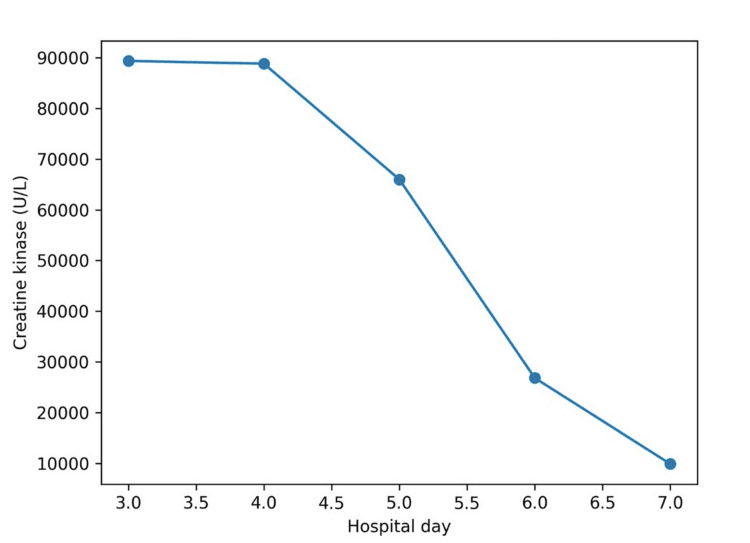
Monitoring. Repeat potassium and ECG, renal function, CK and any other abnormality often enough to act on change. Frequency follows trajectory and organ dysfunction rather than a universal 6-12-hour rule.
Stepping down. Reduce monitoring when all of these hold:
- The cause is controlled
- CK is convincingly falling
- Electrolytes and renal function are stable or improving
- Oral intake is adequate and a safe follow-up plan is in place
- No compartment or systemic complication remains
CK need not fall below a universal 5,000 U/L before de-escalation or discharge; cause, symptoms, renal and electrolyte status and trajectory decide.
Management
The principle. Treat the cause and the physiology, not a CK band. What kills early is hyperkalaemia, shock, heat illness, sepsis and the underlying injury, and the commonest mistake is treating a CK number while missing source control or causing fluid overload.
Immediate priorities. Physiology comes before the CK number.
- Stop the cause and assess for heat illness, shock, sepsis, crush injury, acute compartment syndrome, toxin/drug effect or inherited/inflammatory myopathy.
- Check potassium/ECG, renal function, acid-base status and haemodynamics before focusing on CK.
- Correct hypovolaemia with isotonic crystalloid; reassess lungs, perfusion, urine and creatinine frequently.
- Treat hyperkalaemia and other organ emergencies by standard protocols.
- Involve critical care, nephrology, toxicology, metabolic/neuromuscular or surgery according to the cause and complications.
- Key Risks
- Ongoing muscle injury/dehydration
- Immediate Priorities
- Stop cause, oral/IV fluid as needed, trend labs
- Escalation
- Escalate for worsening physiology
- Key Risks
- AKI/electrolyte disturbance
- Immediate Priorities
- Isotonic crystalloid with repeated reassessment
- Escalation
- Critical care/nephrology if organ dysfunction
- Key Risks
- Cardiac arrest, irreversible organ/limb injury
- Immediate Priorities
- Emergency protocol and source control
- Escalation
- Dialysis/surgery by standard indications
Fluids. Give isotonic crystalloid early when hypovolaemia, crush injury or renal-risk physiology warrants it, choosing bolus and rate from blood pressure, perfusion, body size, losses, cardiac and renal reserve and response. Reassess lungs, weight and fluid balance, creatinine, urine output and congestion as you go.
No universal urine target. There is no universal 200 mL/hour or 3 mL/kg/hour urine goal; the endpoint is patient-specific, set by perfusion, body size, ongoing losses, renal response and congestion. Anuric patients and those with heart or renal failure can be harmed by fixed high-volume targets. Do not force diuresis in anuria or pulmonary congestion, and stop escalating fluid when anuria, pulmonary oedema or another harm emerges.
Reconciling the crush literature. The crush-injury reviews in the Evidence Base advocate early, vigorous volume loading, up to 12 L a day of alkaline fluid, begun at the scene, before or during extrication. Their enduring lesson is timing, not the composition of the fluid: in crush injury, begin isotonic resuscitation early when hypovolaemia or crush physiology supports it. The volumes come from young, previously well casualties who were closely monitored, and large fixed volumes may harm elderly, cardiac, anuric or delayed patients.
Hyperkalaemia. Record an ECG and repeat the potassium promptly when muscle destruction is substantial. Treatment follows the ECG and emergency severity: membrane stabilisation when indicated, intracellular shift, potassium removal and repeated monitoring. The exact drug and dose follow the current local resuscitation protocol and patient factors, and bicarbonate is not universally effective outside acidotic contexts. Involve nephrology or critical care when hyperkalaemia is refractory or organ failure develops.
Bicarbonate and mannitol. A physiological rationale exists for alkaline urine, but comparative observational data do not show that routine bicarbonate or mannitol improves renal failure, dialysis or mortality beyond volume care. Routine bicarbonate, mannitol or loop-diuretic forced diuresis has no proven renal benefit, and a urine-pH target is not routine rhabdomyolysis therapy. Use either agent only for another defined indication, bicarbonate for an established acid-base or hyperkalaemia indication, with electrolyte, acid-base and volume monitoring.
Renal replacement therapy. Dialysis or continuous therapy is started for the standard AKI indications:
- Refractory hyperkalaemia
- Severe acidosis
- Pulmonary oedema or volume overload
- Uraemic complications
- Otherwise unmanageable organ failure
A CK level, dark urine, or theoretical or prophylactic myoglobin clearance is not by itself an indication.
FARMRhabdomyolysis Management
Hook:FARM the physiology: Find cause, Assess risk, Replace selectively, Monitor.
Surgical Technique
Rhabdomyolysis itself has no surgical procedure. Operate only for a surgical source such as diagnosed acute compartment syndrome, infected or necrotic muscle, ischaemic nonviable tissue or another limb-threatening lesion.
Diagnosing the compartment. Acute compartment syndrome is diagnosed clinically. Pressure monitoring is an adjunct that supports equivocal or unexaminable cases, and should not be reduced to one number detached from trajectory.
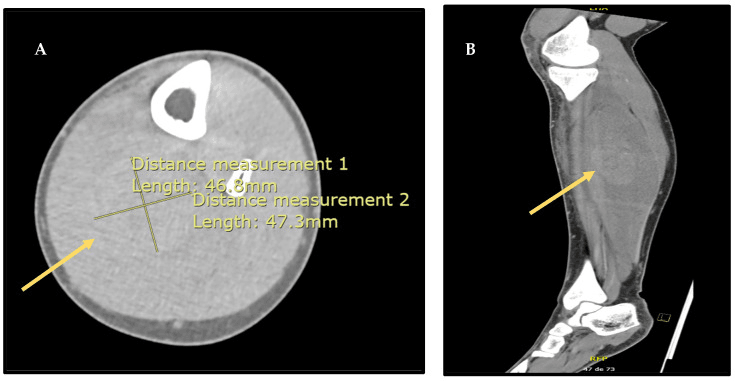
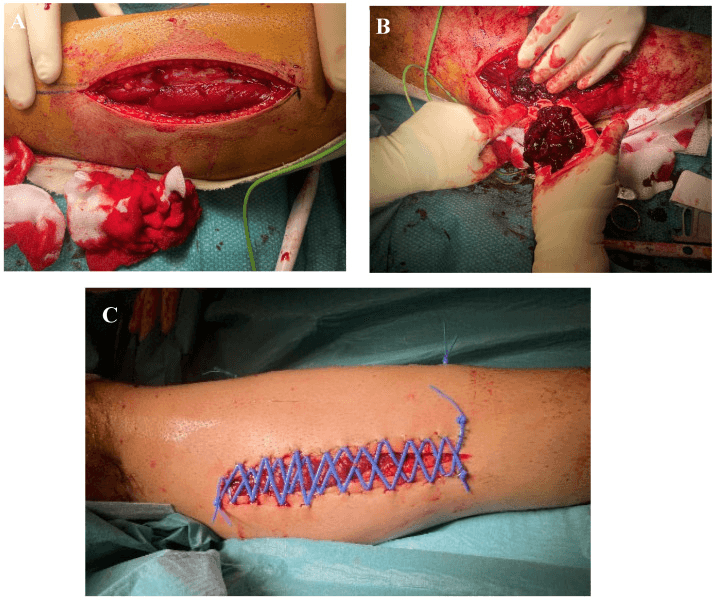
Fasciotomy. Use the region-specific approach and release every involved compartment while protecting the neurovascular structures. Judge muscle by colour, consistency, contractility and bleeding in context, debride clearly nonviable or infected tissue, and plan re-look surgery when viability is uncertain. Manage the wounds according to swelling, contamination and reconstruction needs.
The crush or nonviable limb. Limb salvage, fasciotomy, delayed debridement or amputation depends on ischaemia duration, viability, contamination, systemic instability, reconstructability and patient context. An elevated CK is not an amputation indication, and fasciotomy of late nonviable muscle can increase bleeding and infection without restoring function.
Complications
- Recognition
- Potassium trend and ECG change
- Immediate response
- Emergency potassium protocol and escalation
- Recognition
- Creatinine/urine/volume and acid-base change
- Immediate response
- Optimise perfusion, avoid overload/nephrotoxins, nephrology by severity
- Recognition
- Pain/tension, neurologic/vascular findings; pressures when examination is unreliable
- Immediate response
- Urgent surgical assessment and decompression when diagnosed
- Recognition
- Early/late biochemical changes and symptoms
- Immediate response
- Treat clinical indication and phase, avoid reflex overcorrection
- Recognition
- Cause-specific organ failure
- Immediate response
- Critical care and source control
The kidney after the event. AKI incidence and recovery vary widely by cause and organ-failure burden. Temporary dialysis is common in some cohorts, but neither complete recovery nor chronic impairment can be promised from CK alone.
Postoperative Care
After fasciotomy or debridement, manage the limb and the systemic injury in parallel.
- Reassess every compartment and muscle viability when deterioration suggests ongoing ischaemia, necrosis or infection
- Monitor the wound, perfusion, neurology and planned re-look or closure
- Trend potassium and ECG, renal function, acid-base status, CK and fluid balance at intervals matched to instability
- Give crystalloid only to haemodynamic or renal need, for perfusion and ongoing loss, while avoiding pulmonary oedema and anuric overload
- Do not start routine bicarbonate because a fasciotomy has been done
Monitoring steps down by the same criteria as for any patient (see Investigations).
Outcomes and Prognosis
Cause and organ failure decide. Exertional and seizure cases with stable kidneys can recover quickly despite a very high CK, whereas sepsis, heat stroke, crush syndrome, cardiac arrest, DIC or established AKI carry greater risk. CK normalisation time and mortality cannot be summarised by one universal number.
Predicting risk. Outcome is better estimated from admission physiology and multivariable tools such as the McMahon score than from peak CK alone: the cause, the McMahon variables, AKI and electrolytes, and organ failure. The score supports risk communication and level-of-care planning; it is not a fluid or dialysis trigger.
What to track. Survival, renal recovery and dialysis, electrolyte complications, limb and muscle function, recurrent episodes and the underlying diagnosis.
Guidelines, Registries & Global Practice
Crush-related rhabdomyolysis remains a disaster-medicine problem, while routine hospital cases more often follow drugs/toxins, exertion, seizures, immobility, infection or inflammatory/metabolic myopathy. AKI risk varies markedly by cause and organ physiology.
- Core principle
- Begin isotonic resuscitation early when hypovolaemia/crush physiology supports it
- Important limit
- Large fixed volumes may harm elderly, cardiac, anuric or delayed patients
- Core principle
- Recognise compartment syndrome and control ongoing muscle ischaemia
- Important limit
- Pressure is an adjunct; CK does not diagnose the compartment
- Core principle
- Optimise perfusion, avoid nephrotoxins, treat electrolytes and use RRT for standard indications
- Important limit
- No prophylactic dialysis for CK/myoglobin
- Core principle
- Recover, identify heat/drug/sickle/metabolic red flags and return gradually
- Important limit
- One exertional episode does not mandate genetic testing; recurrence/disproportion does
Resource-limited settings should prioritise early recognition, basic electrolytes/ECG, careful fluid reassessment, compartment/source control and timely transfer for renal replacement capability. Bicarbonate availability is not the determinant of good care.
Related pages: Compartment Syndrome, Crush Syndrome, Compartment Syndrome of the Leg, Forearm Compartment Syndrome, and Foot Compartment Syndrome.
Controversies and Areas of Uncertainty
Much of "classic" rhabdomyolysis management is based on physiology and observational data rather than randomised trials. The exam-relevant debates are:
- Evidence-aware position
- No randomized evidence defines a universal rate or output; balance perfusion against overload.
- Evidence-aware position
- Routine use has no proven renal benefit; use only for another defined indication.
- Evidence-aware position
- Definitions vary and no CK number alone establishes risk, admission or discharge.
- Evidence-aware position
- Prophylactic myoglobin clearance is unproven; use standard AKI indications.
Treat the cause and physiology: restore perfusion without overload, detect hyperkalaemia/AKI early, and obtain source control. Do not substitute a fluid slogan, alkalinisation or CK threshold for reassessment.
Exertional Rhabdomyolysis, Recurrent Episodes and Inherited Metabolic Myopathy
The etiology table and Scenario 3 both invoke exertional rhabdomyolysis, and the sports-medicine guidance flags screening for "recurrent/atypical cases and inherited metabolic myopathy before return to sport" - but the underlying disease is never developed. This is a distinct, high-yield strand: most exertional cases are self-limiting, but a minority signal a genetic muscle disorder that changes counselling and return-to-play.
Exertional (exercise-induced) rhabdomyolysis typically follows unaccustomed, intense or eccentric exercise, often compounded by heat, humidity, dehydration, sleep deprivation or stimulant/supplement use. Compared with crush injury, CK elevations are usually lower and acute kidney injury is uncommon (McMahon and colleagues found exercise carried one of the lowest rates of dialysis or death). Sickle cell trait is a recognised risk factor for exertional collapse and rhabdomyolysis under extreme exertion, and drugs (statins, especially with fibrates, and alcohol) lower the threshold.
- Recurrent episodes, or rhabdomyolysis grossly disproportionate to the exertion
- Personal or family history of exercise intolerance, cramps, dark urine or unexplained anaesthetic reactions
- Persistently elevated resting CK that fails to settle toward normal several weeks after the episode (a "hyperCKaemia" that does not resolve)
- Symptoms of exercise intolerance with cramps, and the "second-wind" phenomenon (transient improvement in exercise tolerance after a few minutes of rest, characteristic of McArdle disease)
- McArdle disease (glycogen storage disease type V, myophosphorylase deficiency) - block in glycogenolysis; classic second-wind phenomenon; the ischaemic (or non-ischaemic) forearm exercise test shows a flat lactate with a normal or exaggerated ammonia rise.
- Carnitine palmitoyltransferase II (CPT II) deficiency - a disorder of fatty-acid oxidation and the most common inherited cause of recurrent exertional rhabdomyolysis in adults; episodes are triggered by prolonged exercise, fasting, cold or intercurrent illness rather than short bursts.
- RYR1 variants, which overlap with malignant hyperthermia susceptibility - a reason a personal or family history of an adverse anaesthetic reaction matters.
acute care remains cause- and physiology-specific—heat illness, shock, electrolyte disturbance and AKI alter fluid and monitoring needs. After recovery, recurrent/disproportionate episodes, family history, persistent hyperCKaemia or anaesthetic reactions prompt metabolic/genetic referral before return.
A single uncomplicated exertional episode can follow a graded recovery plan. Recurrence, family history, persistently raised resting CK, anaesthetic reactions or injury out of proportion to exercise prompt evaluation for McArdle disease, CPT II deficiency, RYR1-related disease or another myopathy.
Risk Stratification: The McMahon Score
The "Outcomes and Prognosis" section lists prognostic factors qualitatively ("higher CK = worse prognosis", "delayed treatment = higher AKI risk"). The examinable upgrade is that these have been combined into a validated admission risk score that quantifies who needs intensive monitoring and early nephrology.
The McMahon score was derived and validated in 2,371 patients with CK over 5,000 U/L across two Boston teaching hospitals. It combines eight admission variables: age, female sex, initial creatinine, initial CK, phosphate, calcium, bicarbonate, and the cause of rhabdomyolysis (seizure, syncope, exercise, statin or myositis attracting negative/protective weighting versus other causes). It predicts the composite of renal replacement therapy or in-hospital death - not a treatment threshold - with good discrimination (C-statistic about 0.82-0.83).
- A low score (under 5) carried roughly a 2-3% risk of dialysis or death.
- A high score (over 10) carried roughly a 61% risk - a very different level of care.
- Cause dominates outcome: the highest composite-event rates were after cardiac arrest, sepsis and compartment syndrome, while myositis, exercise and seizures carried the lowest.
This reframes the exam answer: rather than fixating on a single CK cut-off, use the whole admission picture - age, renal function, electrolytes and the cause - to decide who is triaged to ICU, early nephrology and closer surveillance.
A Risk Prediction Score for Kidney Failure or Mortality in Rhabdomyolysis
- Derivation and validation in 2,371 patients with CK over 5,000 U/L (Massachusetts General and Brigham and Women's Hospitals)
- Composite of renal replacement therapy or in-hospital death occurred in 19% overall (8% RRT, 14% died)
- Eight admission variables: age, female sex, initial creatinine, CK, phosphate, calcium, bicarbonate and cause
- Score under 5 gave a 2-3% event rate; score over 10 gave a 61% event rate; C-statistic 0.82-0.83
When asked to risk-stratify, resist quoting a single CK threshold. The McMahon score shows the underlying cause is the strongest driver - cardiac arrest, sepsis and compartment syndrome carry the worst outcomes, while exercise, seizures and myositis carry the best - alongside age, renal function and electrolytes. The score predicts dialysis or death, not a fluid-prescription cut-off.
MCQ Practice Points
Q: Is there one diagnostic CK threshold? A: No universal value. Diagnose a compatible muscle-injury syndrome with CK above the laboratory upper limit (often several-fold); interpret magnitude and trend with cause, timing and organ physiology.
Q: What does a haem-positive dipstick without RBCs mean? A: Pigmenturia is likely, but both myoglobin and haemoglobin can produce it. Dark urine may be absent in rhabdomyolysis and has other causes.
Q: What urine-output target should be used? A: No universal target. Correct hypovolaemia and titrate isotonic crystalloid to perfusion, renal response, body size/losses and fluid tolerance; stop forced loading in anuria or congestion.
Q: When is renal replacement therapy indicated? A: Standard AKI indications—refractory hyperkalaemia, severe acidosis, volume overload/pulmonary oedema, uraemic complications or otherwise unmanageable organ failure—not CK or myoglobin alone.
Exam Viva Scenarios
Practise clinical reasoning and management decisions out loud
“After delayed compartment-syndrome decompression, CK is high, urine is dark and creatinine is rising. How do you manage?”
“A hypotensive crush casualty has severe hyperkalaemia with ECG changes and a threatened limb. Describe immediate priorities.”
“An athlete presents after prolonged exertion with marked CK elevation, AKI and oliguria. How do you manage and investigate?”
Recognise
- Compatible muscle injury plus CK elevation
- Dark urine is neither required nor specific
- Check potassium/ECG and renal physiology early
- Identify crush, heat, sepsis, drug or compartment source
Treat
- Control the cause and organ emergencies
- Correct hypovolaemia with isotonic crystalloid
- Titrate fluid to response and congestion
- No routine bicarbonate, mannitol or forced diuresis
Escalate
- Hyperkalaemia or ECG change
- Shock, heat illness, sepsis or DIC
- AKI with acidosis, overload or uraemia
- Acute compartment syndrome or necrotic/infected muscle
Interpret
- CK trend is not a treatment tier
- McMahon predicts RRT/death, not fluid dose
- Dialysis follows standard AKI indications
- Discharge follows cause control and stable physiology, not CK under 5,000
Evidence Base
Rhabdomyolysis and Acute Kidney Injury
- Definitive modern review of pathophysiology and management
- Myoglobin causes AKI via tubular cast obstruction, direct heme toxicity and renal vasoconstriction
- Early, aggressive volume expansion is the cornerstone of AKI prevention
- Evidence for routine bicarbonate and mannitol beyond saline is weak
Compartment Monitoring in Tibial Fractures: The Pressure Threshold for Decompression
- Prospective study of 116 tibial diaphyseal fractures with continuous compartment monitoring
- Acute compartment syndrome occurred in 3 patients (2.6%)
- A differential pressure (diastolic minus compartment pressure) under 30 mmHg missed no cases
- Absolute thresholds of 30 or 40 mmHg would have led to many unnecessary fasciotomies
Early Management of Shock and Prophylaxis of Acute Renal Failure in Traumatic Rhabdomyolysis
- Foundational protocol for crush/traumatic rhabdomyolysis
- Early, vigorous volume loading begun before or during extrication prevents oliguric ARF
- Mannitol-alkaline diuresis proposed to reduce cast formation and tubular toxicity
- Hypovolaemia and aciduria are the key drivers of renal injury
Early Fluid Resuscitation in Patients with Rhabdomyolysis
- Early vigorous fluid resuscitation (up to 12 L/day alkaline fluid) can prevent myoglobinuric AKI
- Resuscitation started at the scene mobilises sequestered fluid and corrects hyperkalaemia and acidosis
- In crush syndrome, mortality has fallen from nearly 100% to under 20% over 70 years
- A large positive fluid balance is tolerated in young, monitored patients
Rhabdomyolysis and Myohemoglobinuric Acute Renal Failure
- Classic mechanistic review of myoglobinuric AKI
- Heme proteins precipitate with Tamm-Horsfall protein, favoured by acidic urine
- Iron-catalysed lipid peroxidation drives direct tubular toxicity
- Volume expansion and urinary alkalinisation are rational, mechanism-based interventions
Preventing Renal Failure in Rhabdomyolysis: Do Bicarbonate and Mannitol Make a Difference?
- Review of 2,083 trauma ICU admissions; 85% had abnormal CK
- CK over 5,000 U/L was associated with renal failure (19% vs 8%, p under 0.0001)
- Bicarbonate/mannitol did NOT reduce renal failure, dialysis or mortality, on subanalysis at every CK level
- Authors called for re-evaluation of routine bicarbonate/mannitol use