Sclerodactyly, Calcinosis, Acro-osteolysis and the Scleroderma Hand
- Systemic sclerosis (scleroderma) is an autoimmune connective-tissue disease of VASCULOPATHY and FIBROSIS; the hand is a major site, showing SCLERODACTYLY (tight, shiny, tethered, tapered skin), progressive DIGITAL FLEXION CONTRACTURES (a stiff, claw-like hand) and markedly reduced hand function.
- RAYNAUD'S phenomenon is near-universal and often the first sign; the vasculopathy causes DIGITAL ULCERS, pitting scars and, in severe disease, digital ISCHAEMIA/GANGRENE; the medical ladder for this - calcium-channel blockers, then iloprost and bosentan - is set out in full in the Raynaud's Phenomenon of the Hand topic, along with the features that predict which patients with apparently isolated Raynaud's will progress to systemic sclerosis.
- CALCINOSIS (subcutaneous calcium deposits, especially in the fingers in limited disease/CREST) can ulcerate, extrude chalky material and become infected, and ACRO-OSTEOLYSIS (resorption of the distal phalangeal tufts) reflects chronic ischaemia and severe/long-standing disease.
- TENDON FRICTION RUBS (palpable/audible creaking over moving tendons) are an important sign of DIFFUSE disease and a POOR PROGNOSTIC marker (associated with internal-organ involvement); patients may also have inflammatory ARTHRITIS, joint erosions, distal ulna resorption and a high rate of erosive osteoarthritis on hand radiographs.
- The SUBTYPE and AUTOANTIBODIES matter: LIMITED cutaneous SSc (CREST) carries ANTI-CENTROMERE antibody and pulmonary arterial hypertension risk, while DIFFUSE cutaneous SSc carries ANTI-SCL70 (topoisomerase) or ANTI-RNA-POLYMERASE III with more interstitial lung disease and scleroderma renal crisis; acro-osteolysis associates with anti-Scl70/diffuse disease and calcinosis with anti-centromere.
- MANAGEMENT is predominantly MEDICAL and rheumatology-led (immunomodulation, vasodilators, organ surveillance); ORTHOPAEDIC/HAND involvement is mostly SUPPORTIVE (hand therapy, splinting, wound care) - and SURGERY (e.g. for symptomatic calcinosis, digital ulcers/ischaemia, or contractures) must be undertaken cautiously because of the POOR WOUND HEALING, vasculopathy and infection risk of scleroderma skin.
- “Scleroderma hand: sclerodactyly + flexion contractures + Raynaud's/digital ulcers + calcinosis + acro-osteolysis.
- “Tendon friction rubs = diffuse disease + poor prognosis. Limited (CREST, anti-centromere, PAH) vs diffuse (anti-Scl70/RNA pol III, ILD/renal crisis).
- “Mostly medical/rheumatology management; operate with great caution (poor wound healing, vasculopathy) - e.g. ulcerating calcinosis, digital ischaemia.
Hand & Musculoskeletal Manifestations
Systemic sclerosis (scleroderma) is an autoimmune connective-tissue disease of vasculopathy and fibrosis, and the hand concentrates many of its features. Hand radiographs are abnormal in roughly two-thirds of patients (about 68%), increasingly so with longer disease duration.
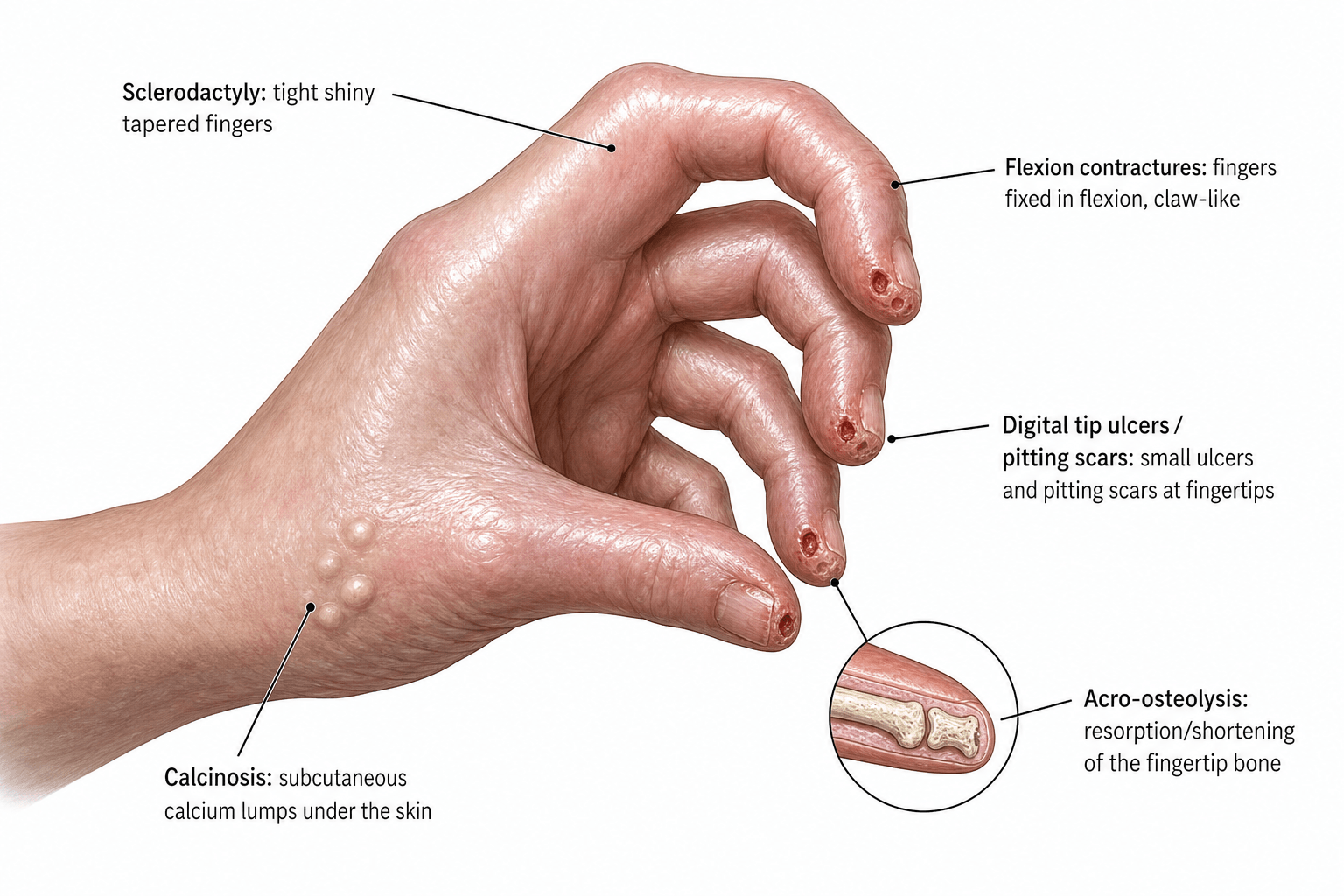
Sclerodactyly and contractures. Tight, shiny, tethered, tapered skin gradually fixes the fingers in flexion contractures, producing a stiff, claw-like hand with markedly reduced function.
The functional deficit. The fixed contractures come from skin and tendon tethering and define the functional deficit: measure what the fist cannot do, not what the skin looks like. Where calcinosis sits under the tight skin, the calcium and the skin together are the mechanical reason these hands lose grip.
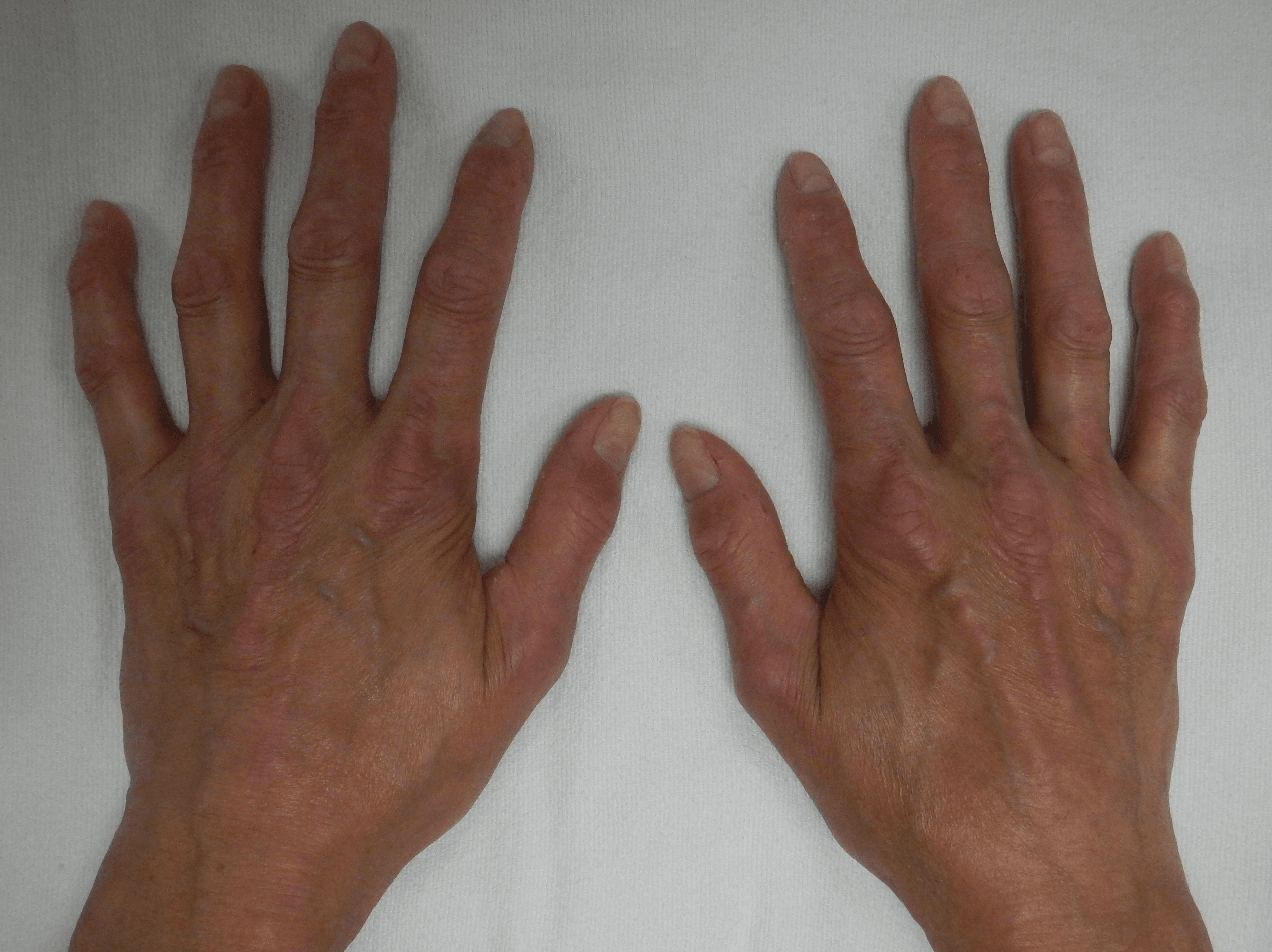
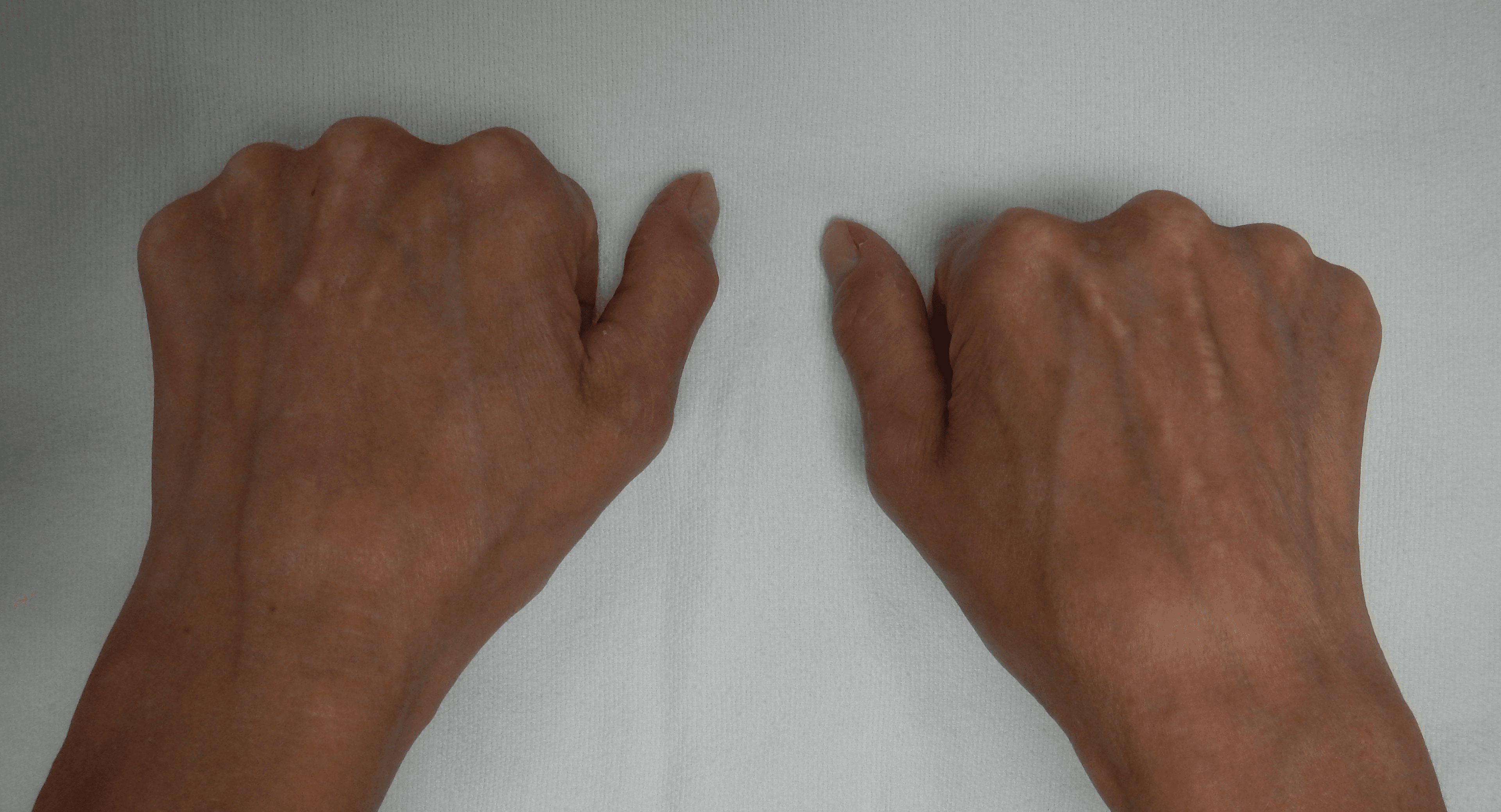
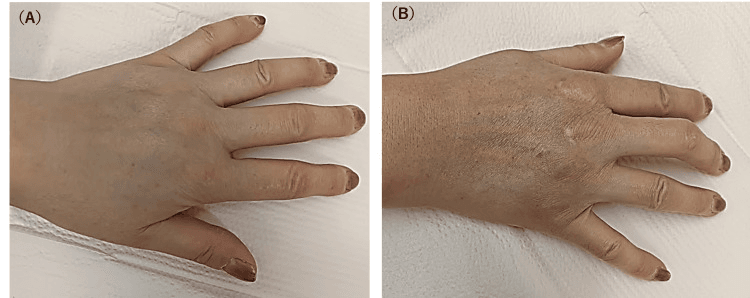
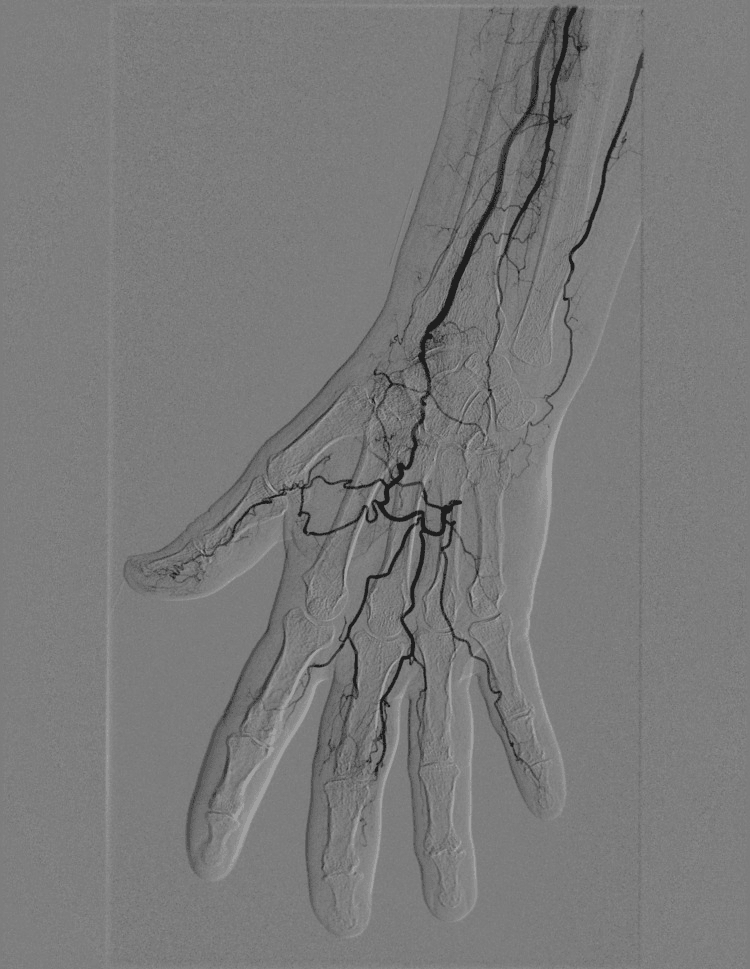
Raynaud's and the ischaemic digit. Raynaud's phenomenon is near-universal and often the first sign. The vasculopathy gives digital ulcers and pitting scars at the fingertips and, in severe cases, digital ischaemia and gangrene. The small vessels close before the skin breaks, so gangrene can arrive without an ulcer.
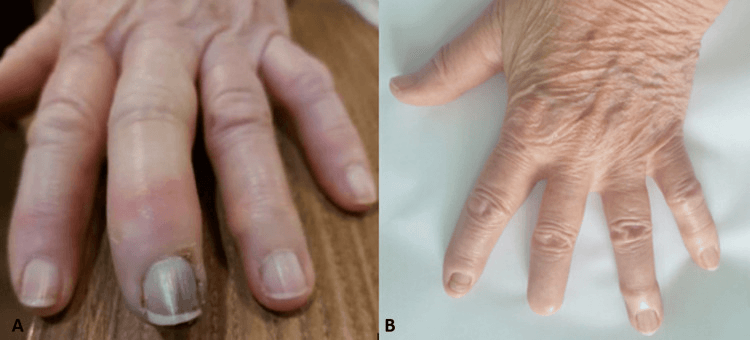
Who reaches the hand clinic. Raynaud's usually precedes the diagnosis by years, so the patients reaching a hand clinic with these findings are often the ones who progressed from what looked like isolated Raynaud's phenomenon. The features that predict that progression, the ones that permit genuine reassurance, and the medical ladder for the vasculopathy are set out in full in Raynaud's Phenomenon of the Hand.
Calcinosis. Chalky subcutaneous calcium deposits, often in the fingers, are a hallmark of limited disease (CREST). They can ulcerate, extrude chalky material and become secondarily infected.
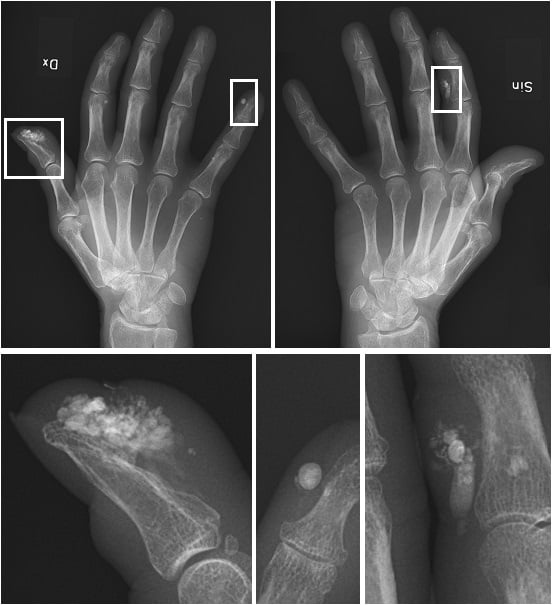
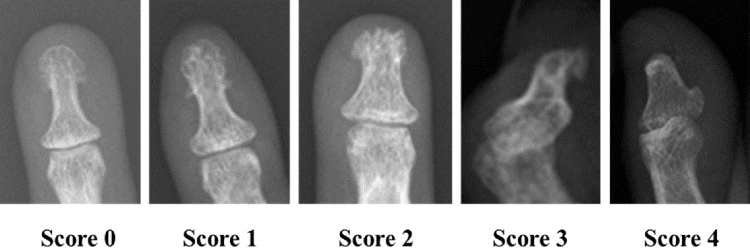
Acro-osteolysis. Resorption of the distal phalangeal tufts reflects chronic ischaemia and severe or long-standing disease. It is graded on the radiograph, and serial films quantify progression.
Joints. There may be arthralgia or arthritis, joint erosions, distal ulna resorption and a high prevalence of erosive osteoarthritis.
Tendon friction rubs. Palpable or audible creaking over moving tendons is an important sign of diffuse disease and a poor prognostic marker, associated with internal-organ involvement.
Diagnosis & Associations
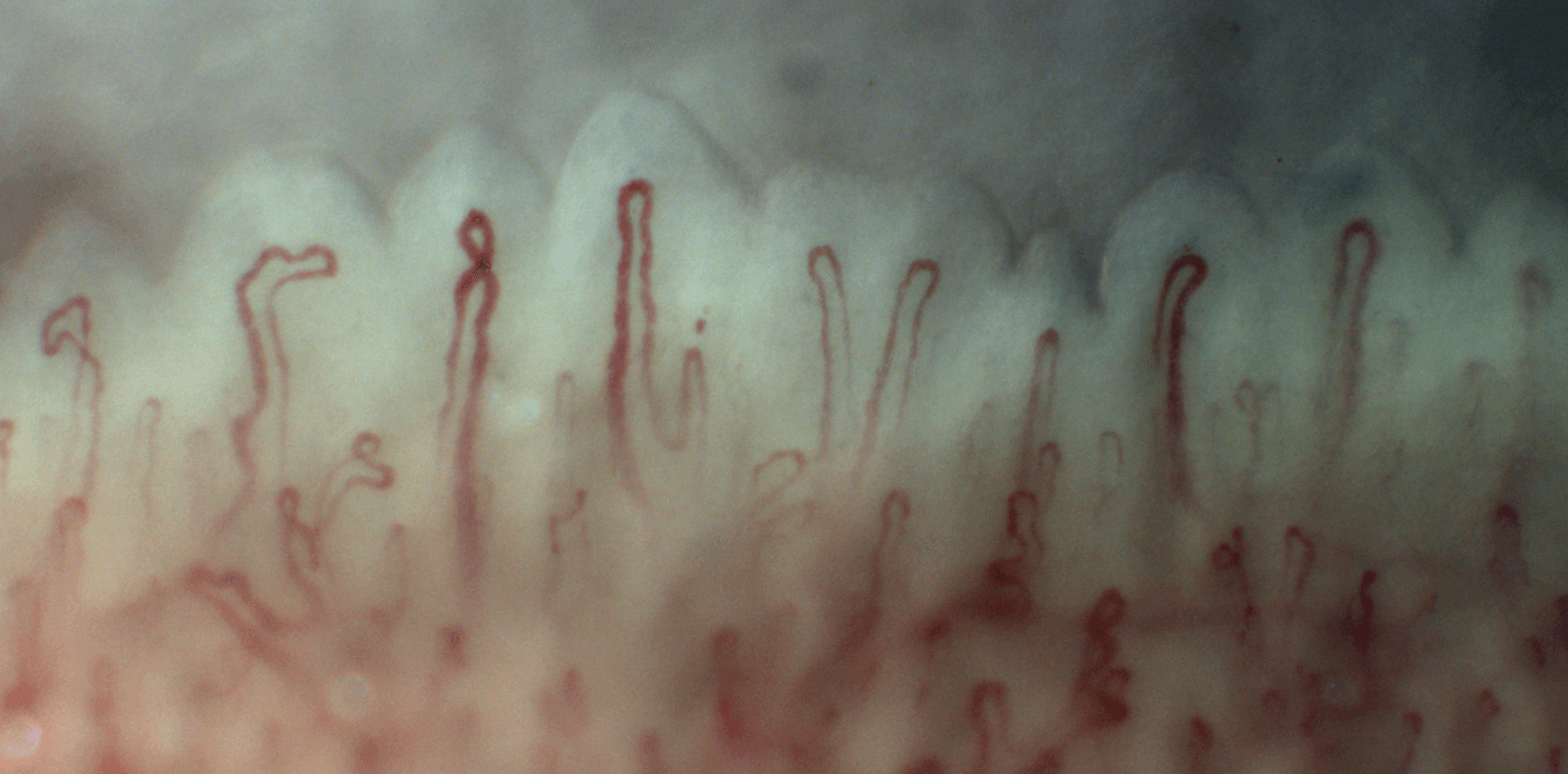
Making the diagnosis. Diagnosis is clinical, by the ACR/EULAR criteria, supported by autoantibodies and nailfold capillaroscopy.
The scleroderma pattern. The capillary loops dilate into giant capillaries, haemorrhage and drop out, and are replaced by avascular fields. The pattern is visible before the hand changes.
Subtype and antibodies. The subtype is set by how far the skin involvement extends, and each subtype carries its own antibodies and organ risks. Limited cutaneous disease is also called CREST: calcinosis, Raynaud's, oesophageal dysmotility, sclerodactyly and telangiectasia.
- Limited cutaneous (lcSSc, CREST)
- Distal to the elbows and knees, plus the face
- Diffuse cutaneous (dcSSc)
- Widespread, including proximal skin and the trunk
- Limited cutaneous (lcSSc, CREST)
- Anti-centromere
- Diffuse cutaneous (dcSSc)
- Anti-Scl70 (topoisomerase) or anti-RNA polymerase III
- Limited cutaneous (lcSSc, CREST)
- Pulmonary arterial hypertension (PAH)
- Diffuse cutaneous (dcSSc)
- More internal-organ disease: interstitial lung disease (ILD) and scleroderma renal crisis
- Limited cutaneous (lcSSc, CREST)
- Calcinosis prominent
- Diffuse cutaneous (dcSSc)
- Tendon friction rubs and acro-osteolysis more common
On the hand radiograph. Individual radiographic findings travel with particular antibodies and organ disease:
- Acro-osteolysis with anti-Scl70, diffuse disease and ILD
- Calcinosis with anti-centromere and PAH/GI involvement
- Flexion contracture with a higher skin score and GI disease
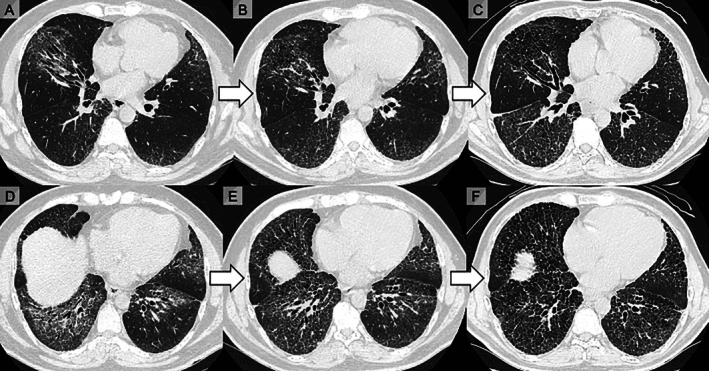
Organ surveillance. Patients need systemic surveillance: lung function and HRCT, echocardiography for PAH, and renal and blood-pressure monitoring. It is a rheumatology-led responsibility but important to know, because the hand symptoms bring the patient and the lungs carry the risk: interstitial lung disease is the association that decides survival.
Management (with Surgical Caution)
Management is predominantly medical and rheumatology-led. Orthopaedic and hand involvement is mostly supportive, and surgery is selective and cautious.
Medical treatment. Disease-modifying immunosuppression is used for diffuse or active disease, with organ-directed treatment such as ACE inhibitors for renal crisis. Raynaud's and digital ulcers are treated with vasodilators: calcium-channel blockers, PDE5 inhibitors, intravenous iloprost, and bosentan to prevent new ulcers.
Hand therapy. Stretching, splinting, paraffin baths and occupational therapy maintain mobility and manage contractures. Skin care and meticulous wound care look after the ulcers.
Surgical indications. Surgery is reserved for clear indications, and calcinosis is excised for the symptomatic, infected or ulcerating lesion, not for the radiograph:
- Excision of symptomatic or ulcerating calcinosis
- Debridement or amputation of infected or gangrenous digits
- Digital sympathectomy for refractory ischaemia
- Occasionally, contracture correction or joint fusion
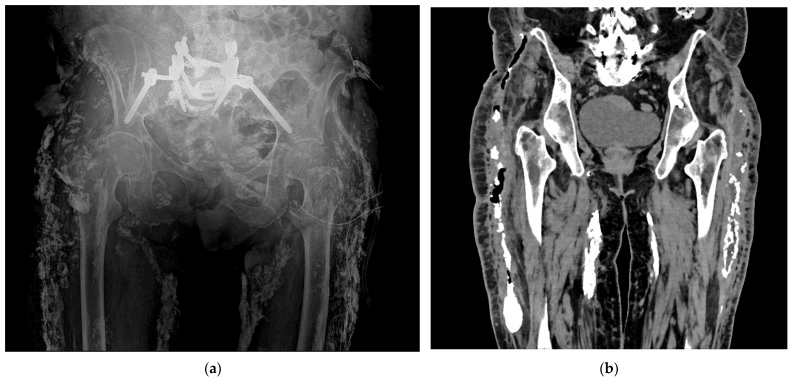
The fibrotic, poorly vascularised skin of systemic sclerosis is prone to breakdown, delayed healing and infection, so any incision, for calcinosis, ulcers or contractures, carries a real risk of a non-healing wound. Optimise the vasculopathy first (warmth, vasodilators, smoking cessation), handle tissues gently, and warn patients about delayed healing and that calcinosis and digital ulcers frequently recur.
Scleroderma Renal Crisis: The Emergency That Trumps Hand Surgery
Who gets it. Scleroderma renal crisis (SRC) is an acute, life-threatening complication, most often in early diffuse disease with rapidly progressive skin and the anti-RNA-polymerase-III antibody.
The steroid trigger. SRC is precipitated by high-dose corticosteroids, which is why steroids are used cautiously in scleroderma, and directly relevant if steroids are considered for musculoskeletal symptoms or peri-operatively.
How it presents. Abrupt, severe or malignant hypertension with acute kidney injury (a rising creatinine) and a microangiopathic haemolytic anaemia with thrombocytopenia, a thrombotic microangiopathy. Headache, visual disturbance, encephalopathy or pulmonary oedema often accompany it.
Treatment. A prompt, aggressively titrated ACE inhibitor (for example captopril) is the cornerstone, and it is continued even as the creatinine rises because it improves survival. This is a hypertensive and renal emergency needing urgent specialist referral.
The orthopaedic message. Avoid high-dose corticosteroids in scleroderma, monitor blood pressure and renal function, and treat SRC, like any other organ emergency, as taking priority over elective hand surgery.
Getting the Scleroderma Patient Safely Through Surgery
The peri-operative risks go beyond the skin, and general anaesthetic technique is covered in General Anaesthesia in Orthopaedics.
Access. The vasculopathy and tight, tethered skin make IV and arterial access difficult. Allow time and use ultrasound guidance, and be wary of an arterial line in a vasculopathic limb because of the digital-ischaemia risk.
Airway and aspiration. Microstomia, tight perioral skin limiting mouth opening, can make intubation difficult, so plan for it. Oesophageal dysmotility and reflux raise the aspiration risk, which calls for reflux precautions or a rapid-sequence approach.
Heart and lungs. Interstitial lung disease and pulmonary arterial hypertension raise anaesthetic and peri-operative risk. Assess them with preoperative lung function and echocardiography.
Keep warm, protect the digits. Cold precipitates Raynaud's and digital ischaemia, so keep the patient and the limb warm, avoid a limb tourniquet where possible, and avoid adrenaline in digital blocks.
Infection. Immunosuppression adds an infection risk on top of the poor skin healing.
Mnemonics & Memory Aids
CREST
Hook:CREST = limited cutaneous systemic sclerosis (anti-centromere).
SCAR HAND
Hook:The scleroderma hand has a SCAR and HANDles surgery badly.
Clinical Decision Scenarios
Practise clinical reasoning and management decisions out loud
“What are the hand and musculoskeletal manifestations of systemic sclerosis, and how do the subtypes and antibodies relate to them?”
“A scleroderma patient has painful ulcerating calcinosis and a digital ulcer. How would you manage the hand, and what surgical cautions apply?”
Hand manifestations
- Sclerodactyly + flexion contractures (claw-like, stiff)
- Raynaud's, digital ulcers/pitting scars, ischaemia/gangrene
- Calcinosis (CREST), acro-osteolysis, erosions, distal ulna resorption, erosive OA
Subtypes & antibodies
- Limited (CREST): anti-centromere; calcinosis; PAH
- Diffuse: anti-Scl70 (topoisomerase) / anti-RNA pol III; ILD; renal crisis
- Tendon friction rubs = diffuse disease + poor prognosis
Diagnosis/surveillance
- ACR/EULAR criteria + autoantibodies + nailfold capillaroscopy (scleroderma pattern)
- Hand X-ray abnormal in ~68% (acro-osteolysis, calcinosis, contracture, erosions)
- Organ surveillance: lung (PFT/HRCT), echo (PAH), renal/BP
Management
- Mostly medical (immunomodulation, vasodilators: CCB/PDE5i/iloprost/bosentan), organ-directed
- Hand therapy/splinting; wound care
- Surgery selective (ulcerating calcinosis, infection/gangrene, ischaemia) - beware poor wound healing/recurrence
Evidence & Key Studies
Musculoskeletal and radiological features in systemic sclerosis: a registry study
- In 180 SSc patients, tendon friction rubs were associated with calcinosis, muscle tenderness and flexion contracture.
- Disease duration was the main factor for developing joint erosion, acro-osteolysis, distal ulna resorption, calcinosis and flexion contracture on hand radiographs.
- Acro-osteolysis was more frequent in the diffuse subtype and with anti-topoisomerase (Scl70) antibody.
Hand X-ray findings, clinical features and autoantibodies in systemic sclerosis
- Hand X-ray abnormalities (acro-osteolysis, calcinosis, flexion contracture, erosion, joint-space narrowing, subluxation) were present in about 68% of SSc patients.
- Acro-osteolysis associated with anti-Scl70 and interstitial lung disease; calcinosis with anti-centromere and pulmonary arterial hypertension/GI involvement.
- Erosive osteoarthritis was more prevalent than in the general population; findings increased with disease duration and organ involvement.
The association of tendon friction rubs with calcinosis and contracture, and of disease duration with acro-osteolysis, calcinosis and erosion, comes from the cited Azarbani registry of 180 patients; the prevalence of hand-radiograph abnormalities (about 68%) and the antibody and organ associations - acro-osteolysis with anti-Scl70 and interstitial lung disease, calcinosis with anti-centromere and pulmonary arterial hypertension - from the cited Sakata study.
The repeated caution that scleroderma skin heals badly is stated qualitatively and deliberately without a figure: searches for a complication or non-healing rate after hand surgery in systemic sclerosis, and for recurrence rates after excision of digital calcinosis, did not identify a verified series, so the mechanism - fibrotic, poorly vascularised skin in a vasculopathic, often immunosuppressed patient - is given instead of a number that would have to be invented. The same applies to how often calcinosis and digital ulcers recur.
The CREST and limited-versus-diffuse framework, the renal-crisis presentation and its ACE-inhibitor treatment, and the peri-operative considerations are standard, well-established teaching. No dedicated connective-tissue- disease or digital-ischaemia topic exists in the library, so those threads are carried here. (See also Raynaud's Phenomenon of the Hand, General Anaesthesia in Orthopaedics and Hypothenar Hammer Syndrome.)