The Orthopaedic Surgeon Is Often the First Clinician to See It
- In the PRAISE multinational study of 2,945 women across 12 orthopaedic fracture clinics, ONE IN SIX (16.0%) disclosed intimate partner violence in the past year and ONE IN THREE (34.6%) over their lifetime. 1.7% attended that clinic as a DIRECT CONSEQUENCE of IPV - and of those, only 14% had ever been asked about it by any health professional.
- Elder abuse affects around ONE IN SIX people aged 60 and over in community settings each year (pooled prevalence 15.7%), the commonest forms being psychological and financial rather than physical.
- The single most useful clinical discriminator is MISMATCH: between the stated mechanism and the injury, between the stated timing and the healing stage, and between injuries of clearly different ages.
- NON-FATAL STRANGULATION is a lethality marker, not a minor assault - prior non-fatal strangulation carries greater than six-fold odds of later attempted homicide. Ask about it, examine for it, and escalate.
- Do not conflate a fragility fracture with an inflicted injury, or age-related bruising with assault - but know the discriminators: accidental bruises in older adults are almost all on the EXTREMITIES, whereas inflicted bruises are LARGER (greater than 5 cm) and on the FACE, LATERAL RIGHT ARM or POSTERIOR TORSO.
- “You cannot date a bruise by its colour - 16 of the accidental bruises in Mosqueda's older-adult cohort were predominantly yellow within the first 24 hours.
- “Head and neck injuries are the commonest manifestation of intimate partner violence (40% in Bhandari's series) and musculoskeletal injuries the second commonest - which is precisely why orthopaedics sees these patients.
- “Documentation is a clinical skill: verbatim quotes in the patient's own words, a body map with measured lesions, and consented photography. Write 'patient states', never 'patient alleges'.
- “A capacitous adult may decline referral. That does not end your duty - information, safety planning, documentation and follow-up all continue, and the calculus changes entirely if a child or a dependent adult is in the household.
The most important single statistic in this topic.
- In PRAISE, of the women attending a fracture clinic because of intimate partner violence, only 14% had ever been asked about abuse in any healthcare setting.
- The barrier is not prevalence, and it is not the patient's willingness - it is that the question is not put.
- Ask privately, routinely and without the accompanying person present.
The single most common procedural failure.
- A controlling accompanying person who answers for the patient, refuses to leave, or insists on interpreting is itself a red flag.
- Create a legitimate reason to separate them - imaging, a dressing change, a chaperoned examination.
- Use a professional interpreter, never a family member or the companion.
Treat it as an emergency, not a minor assault.
- Prior non-fatal strangulation carries greater than six-fold odds of subsequent attempted homicide (odds ratio 6.70).
- Examine for petechiae, subconjunctival haemorrhage, neck bruising, hoarseness, dysphagia and voice change - external signs may be absent.
- Its presence justifies urgent multi-agency escalation and a serious discussion about overriding a refusal of referral.
Discharge is the moment of greatest danger.
- Establish where the patient is going and with whom before you discharge.
- Admission is a legitimate safeguarding intervention where there is no safe destination.
- Give contact information in a form that cannot be found and used against them - a memorised number or a discreet card, not a printed leaflet in a discharge bag.
PPSFNForms of Abuse to Screen For
Hook:If you only ask about hitting, you will miss most abuse. In both intimate partner violence and elder abuse, psychological and financial abuse are more prevalent than physical abuse.
Overview
Intimate partner violence and elder abuse are among the few conditions in orthopaedic practice where the diagnosis depends almost entirely on whether the clinician thinks of it. The injuries are ordinary - a distal radius fracture, a facial laceration, a bruised forearm. What is not ordinary is the cause, and the cause is only found by asking.
Orthopaedics is unusually exposed to these patients. In Bhandari and colleagues' study of the musculoskeletal manifestations of physical abuse after intimate partner violence, head and neck injuries were the most prevalent (40%) and musculoskeletal injuries the second most common. Domestic violence has been described as the leading cause of non-fatal injury to women, and musculoskeletal injury is its second commonest physical manifestation - which places the fracture clinic, the emergency department and the trauma list squarely in the path of these patients.
Abuse of an adult differs from abuse of a child in one fundamental respect: a capacitous adult may decline your help, and managing that refusal well is the central clinical skill. In a child, suspicion compels referral. In a competent adult, it compels a conversation — and if that conversation ends in refusal, your task becomes documentation, safety planning and leaving the door open, not escalation over the patient's head. For the paediatric fracture patterns, the skeletal survey and the safeguarding pathway that follows them, work through non-accidental injury alongside this page.
The PRAISE study (Prevalence of Abuse and Intimate Partner violence Surgical Evaluation) is the single most important piece of evidence for an orthopaedic audience, because it was conducted in orthopaedic fracture clinics rather than in refuges or emergency departments.
Across 2,945 female participants at 12 fracture clinics in Canada, the USA, the Netherlands, Denmark and India:
- One in six (16.0%) disclosed intimate partner violence within the past year.
- One in three (34.6%) had experienced it in their lifetime.
- 49 women (1.7%) were attending that clinic visit as a direct consequence of intimate partner violence.
- Of those 49, only seven - 14% - had ever been asked about intimate partner violence in a healthcare setting.
Read those last two figures together. In any reasonably busy fracture clinic, patients are attending because of abuse, and the overwhelming majority of them have never once been asked. The prevalence is not the problem. The silence is the problem, and it is ours.
The corresponding figure for older adults comes from Yon and colleagues' meta-analysis of 52 studies across 28 countries: a pooled past-year prevalence of 15.7% for elder abuse overall - again roughly one in six - which the authors estimated at around 141 million people worldwide.
A point that reframes the whole consultation, and which examiners reward.
In Yon's meta-analysis the pooled past-year prevalence by subtype was:
- Psychological abuse 11.6%
- Financial abuse 6.8%
- Neglect 4.2%
- Physical abuse 2.6%
- Sexual abuse 0.9%
In Bhandari's intimate partner violence cohort the pattern was the same: the most prevalent forms were emotional (84%) and psychological (68%), ahead of physical (43%), sexual (41%) and financial (38%).
Two consequences follow:
- If you only ask about being hit, you will miss most abuse. Ask about being frightened, controlled, humiliated, isolated, and about money and decisions.
- The absence of physical injury does not mean the absence of abuse. A patient with no bruises may be living under coercive control - and coercive control is the context in which serious physical violence eventually occurs.
Note also from Bhandari's series that among women who reported physical abuse, only 36% sought medical attention - so the patients you see are a small and selected fraction, and child protective services were concomitantly involved in half of the women living in abusive relationships, which is why the presence of children in the household must always be established.
Aetiology, Risk Factors and Context
Intimate Partner Violence
- Abuse occurs across every socioeconomic group, culture, educational level and sexual orientation. No demographic profile excludes it, and assuming a well-dressed or professional patient is not at risk is a recognised source of missed diagnosis.
- Factors reported to be associated with increased risk include younger age, pregnancy and the postpartum period, separation or a recent attempt to leave, financial dependence, social isolation, disability, insecure immigration status, and substance misuse in either partner.
- PRAISE found that women in short-term relationships were at increased risk of intimate partner violence and physical abuse in the past 12 months, and observed variation between countries, with women in the Netherlands and Denmark at reduced risk of abuse in the past 12 months compared with those in Canada and the USA.
- Men are also victims, as are people in same-sex relationships, and they are less likely to disclose. Screening framed only around women will miss them.
- Pregnancy deserves specific mention: it is a period of elevated risk, and an injured pregnant patient warrants particular care.
Elder Abuse
- Risk factors in the older person: cognitive impairment and dementia, functional dependence, physical frailty, poor physical health, depression, social isolation, and low income.
- Risk factors in the person causing harm: caregiver burden and stress, mental illness, substance misuse, financial dependence on the older person, and a shared living arrangement.
- Institutional abuse is a distinct and substantial problem in care settings, and includes neglect, over-medication, restraint and withheld care as well as assault.
- Yon and colleagues found significant associations between overall prevalence estimates and sample size, income classification of the country, and method of data collection - but not with gender. Elder abuse is not a predominantly female phenomenon in the way intimate partner violence is.
- Note the overlap: an older person may be experiencing intimate partner violence that has continued into later life, which is easily mislabelled as caregiver stress.
Clinical Presentation and Red Flags
Patterns of Injury in Intimate Partner Violence
- Head, face and neck injuries are the commonest - reported as 40% in Bhandari's series. Facial fractures, periorbital and nasal injury, dental injury, tympanic membrane perforation, and scalp haematoma or traction alopecia.
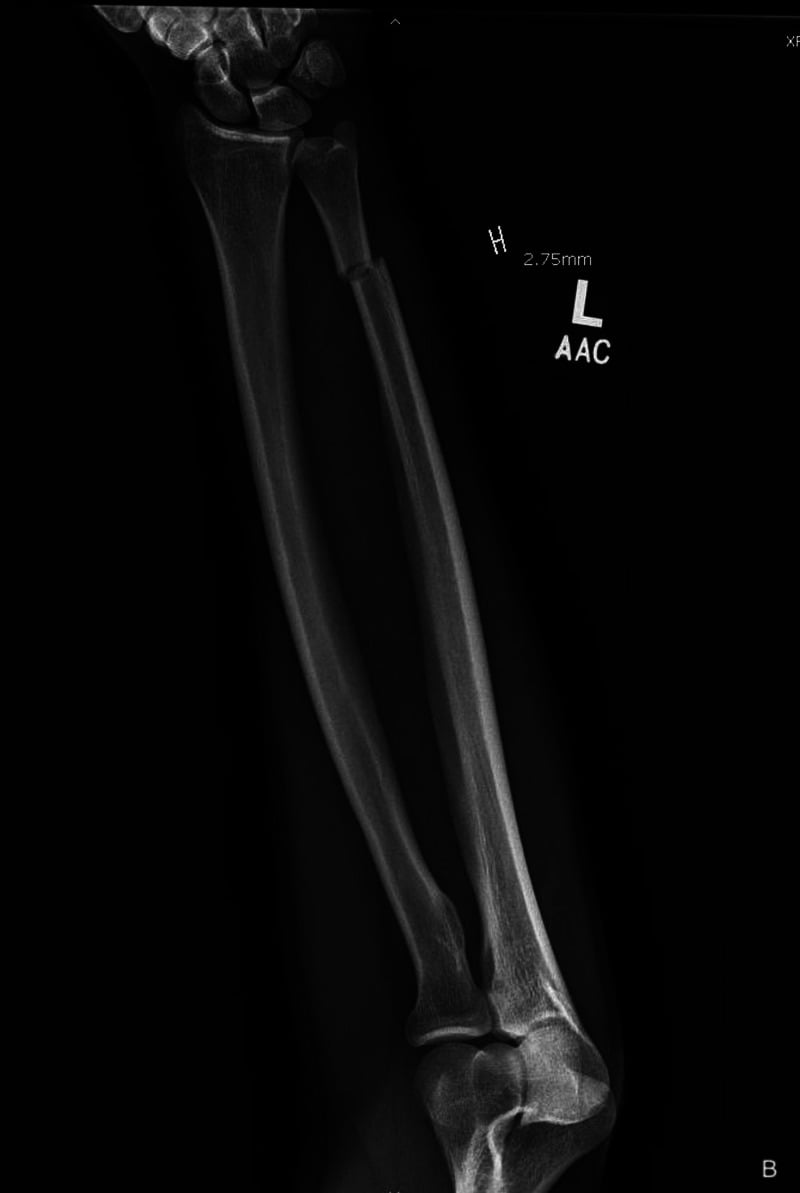
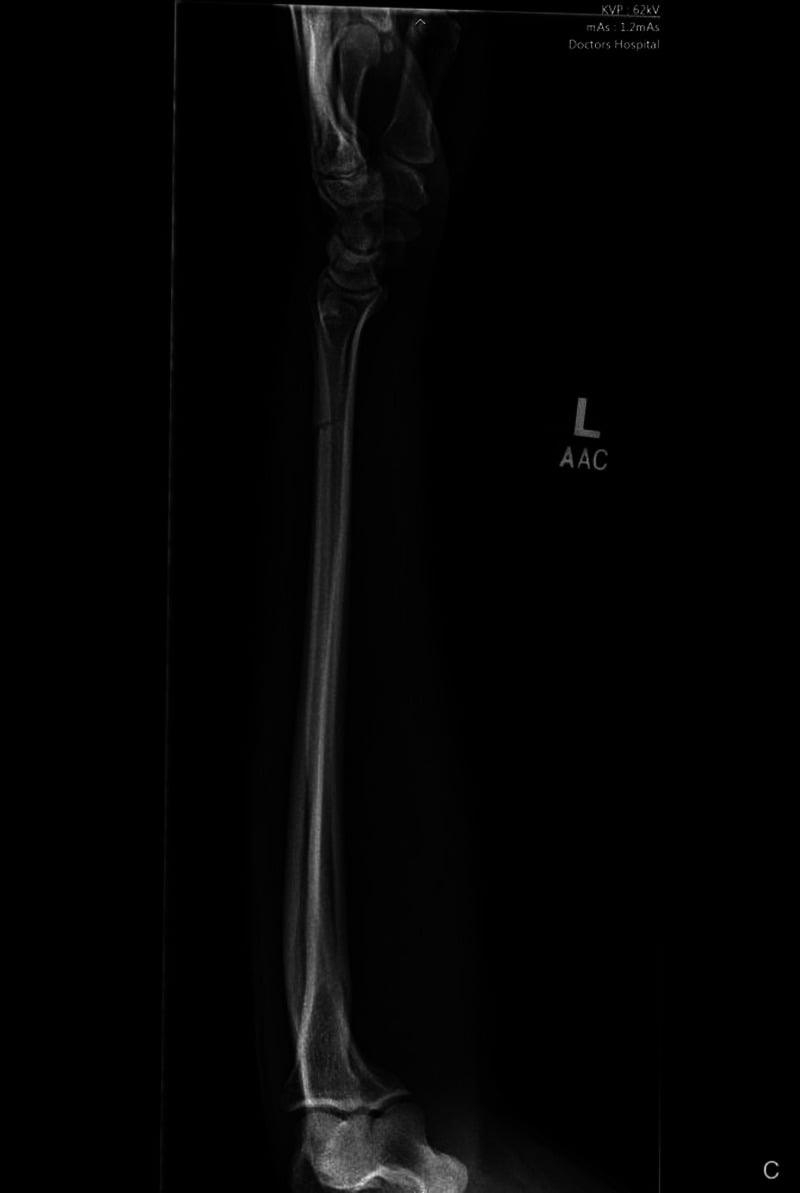
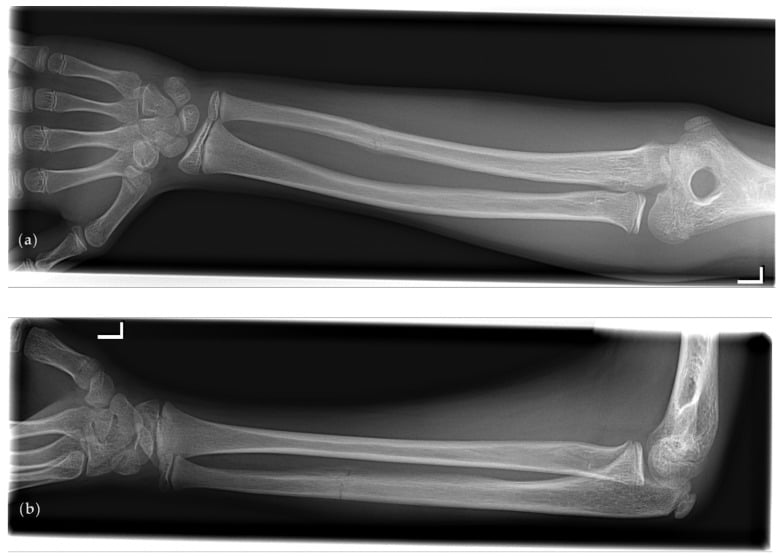
- Musculoskeletal injuries are the second commonest. The pattern that should raise suspicion is the defensive injury: fractures of the ulnar shaft and forearm sustained raising the arm to block a blow, distal radius and hand and metacarpal injuries, and bruising to the extensor surfaces of the forearms.
- Injuries in a covered distribution - the trunk, upper arms, medial thighs, breasts and abdomen - areas concealed by clothing.
- Bilateral, symmetrical or grip-pattern injuries: fingertip bruising on the upper arms, linear or parallel marks from a slap, loop-shaped marks from a cord or belt, ligature marks, and bite marks.
- Injuries of clearly differing ages, on the skin or on imaging.
- Non-fatal strangulation - see the safety alert below. External signs may be minimal or absent.
- Injury during pregnancy, particularly abdominal.
- Sexual assault, which requires specialist forensic pathways and must not be examined opportunistically.
Patterns in Elder Abuse
- Bruising in an inflicted distribution - see the discriminators below.
- Fractures with a mechanism that does not fit, particularly in a non-ambulant person, where any long bone fracture demands explanation.
- Neglect: pressure injury in unexpected sites or of unexpected severity, dehydration, malnutrition and unexplained weight loss, poor hygiene, overgrown nails, soiled clothing, an untreated or late-presenting fracture, and withheld analgesia.
- Medication problems: over-sedation, missing medication, or hoarded medication.
- Financial signs: unexplained inability to pay for care or medication despite adequate income, a companion who controls all money, sudden changes to legal arrangements.
- Behavioural signs: fearfulness, flat affect, deference to the companion, and reluctance to speak.
- A carer who is hostile, dismissive of the patient, refuses to leave, or gives a history that conflicts with the patient's.
This is the highest-stakes single finding in this topic and it is frequently under-recognised.
Glass and colleagues compared 506 women who were victims of completed or attempted homicide with 427 abused controls. Non-fatal strangulation had been reported by:
- 10% of abused controls
- 45% of attempted homicides
- 43% of completed homicides
Prior non-fatal strangulation was associated with greater than six-fold odds of becoming an attempted homicide (odds ratio 6.70, 95% confidence interval 3.91 to 11.49).
Therefore:
- Ask directly about being choked, strangled or having pressure applied to the neck. Patients often do not volunteer it and may not regard it as a serious assault.
- Examine for it, remembering that external signs are often minimal or entirely absent: petechiae on the face, conjunctivae or behind the ears, subconjunctival haemorrhage, neck bruising or abrasion, hoarseness or voice change, dysphagia, odynophagia, neck pain, and any history of loss of consciousness or incontinence during the episode.
- Escalate urgently. Its presence is a recognised marker of homicide risk that justifies immediate multi-agency involvement, a formal lethality risk assessment, and a serious, documented discussion with your safeguarding lead about whether a refusal of referral can be overridden.
- Consider imaging and airway risk - strangulation carries risks of delayed airway oedema, carotid and vertebral artery injury and hypoxic brain injury, so it needs medical assessment and not only a safeguarding referral.
DELAYEDRed Flags for Inflicted Injury in an Adult
Hook:No single flag is diagnostic. It is the MISMATCH - between story and injury, and between injuries of different ages - that should prompt you to ask directly.
The Critical Differentials
This is the discrimination examiners will test, because getting it wrong in either direction causes harm: labelling a fragility fracture as abuse destroys trust and a family, while dismissing an inflicted injury as frailty returns the patient to danger.
The honest answer is that the two frequently coexist - an osteoporotic older adult who is also being abused will sustain fragility-type fractures from inflicted force. So the question is not "is this bone weak?" but "does the account explain this injury?"
- Favours fragility fracture
- Low-energy, described consistently: a fall from standing, a trip, a stumble on a step
- Favours inflicted injury
- Absent, vague, changing, implausible for the injury, or given by someone other than the patient
- Favours fragility fracture
- Classic osteoporotic sites - proximal femur, distal radius, proximal humerus, vertebral body, pubic rami
- Favours inflicted injury
- Midshaft ulna or humerus, sternum, scapula, ribs of differing ages, facial bones, spiral fractures of the extremities
- Favours fragility fracture
- The patient walks and could plausibly have fallen
- Favours inflicted injury
- A NON-AMBULANT patient with a long bone fracture - any such fracture requires explanation
- Favours fragility fracture
- A single fracture consistent with a single described event
- Favours inflicted injury
- Multiple injuries at clearly different stages of healing
- Favours fragility fracture
- Injury confined to the fracture site and the impact area
- Favours inflicted injury
- Injuries in a covered distribution, defensive forearm injuries, grip marks, facial injury, neck signs
- Favours fragility fracture
- Presents promptly, or delay explained by the patient's own account
- Favours inflicted injury
- Unexplained delay, repeated missed appointments, or presentation only when the injury became obvious
- Favours fragility fracture
- Known osteoporosis, prior fragility fracture, steroids, low body mass index, appropriate radiographic bone appearance
- Favours inflicted injury
- Normal bone quality with an injury out of proportion to the stated force
- Favours fragility fracture
- Gives their own history freely and consistently
- Favours inflicted injury
- Cannot speak freely, defers to a companion, minimises, or discloses then retracts
The correct clinical stance: treat the fragility fracture properly - bone health assessment, falls assessment, fracture liaison - and ask the safeguarding question. They are not alternatives.
Older skin bruises easily, and senile purpura on the dorsal forearms and hands is not evidence of assault. Two studies give genuinely usable discriminators.
Mosqueda and colleagues examined 101 adults aged 65 and over (mean age 83) daily at home for up to six weeks, documenting accidental bruising:
- Nearly 90% of accidental bruises were on the EXTREMITIES.
- There were NO bruises on the neck, ears, genitalia, buttocks or soles of the feet.
- Subjects were more likely to know the cause of the bruise if it was on the trunk.
- People on medications affecting coagulation and those with compromised function were more likely to have multiple bruises.
- Crucially: 16 bruises were predominantly YELLOW within the first 24 hours - so you CANNOT reliably date a bruise by its colour.
Wiglesworth and colleagues examined 67 adults aged 65 and over referred for suspected physical elder abuse, and compared them with the accidental-bruising cohort:
- 72% (48) of those physically abused within the preceding 30 days had bruises - which means more than one in four had NONE. Read that number in the direction that matters clinically: a recently assaulted older person may have entirely unmarked skin, so an unremarkable skin examination is not evidence against abuse.
- Abused older adults had significantly LARGER bruises (greater than 5 cm).
- They were significantly more likely to have bruises on the FACE, the LATERAL ASPECT OF THE RIGHT ARM, and the POSTERIOR TORSO (back, chest, lumbar and gluteal regions).
- 89.6% of abused patients knew the cause of their bruise, versus only 23.5% of the non-abused comparison group - a striking reversal of the intuition that abused patients cannot account for their injuries.
The practical summary: a large bruise (greater than 5 cm) on the face, lateral right arm or posterior torso is the pattern that should concern you; bruises confined to the extremities are usually accidental; the neck, ears, genitalia, buttocks and soles are sites where accidental bruising essentially does not occur; never estimate the age of a bruise from its colour; and always ask the patient the cause, because abused patients usually can tell you. And the whole list only works in one direction - it tells you when to be worried, never when to relax. Over a quarter of recently abused patients had no bruise, and the comparison group in that study was a separate earlier cohort rather than a contemporaneous control, so treat these patterns as prompts to look further rather than as a test you can pass.
Other Conditions to Consider Before Concluding Abuse
- Features
- Extensive bruising with minimal trauma; often on the extremities
- How to exclude or confirm
- Medication history, full blood count, coagulation screen
- Features
- Thin atrophic skin, dorsal forearms and hands, non-tender, no pattern
- How to exclude or confirm
- Distribution and skin quality; steroid history
- Features
- Recurrent falls with a medical explanation; injuries on impact surfaces
- How to exclude or confirm
- Falls assessment, lying and standing blood pressure, medication review, cardiac assessment
- Features
- Fracture with minimal force; abnormal bone on imaging
- How to exclude or confirm
- Bone profile, vitamin D, myeloma screen, imaging review; consider malignancy
- Features
- Wandering, poor recall of a genuine accident
- How to exclude or confirm
- Corroboration from multiple sources; still requires safeguarding consideration for neglect
- Features
- Patterned marks from cupping, coining or traditional therapies
- How to exclude or confirm
- Direct, non-judgemental enquiry; document the explanation given
- Features
- Injuries in accessible sites, characteristic patterns, disclosed on sensitive enquiry
- How to exclude or confirm
- Mental health assessment; note that self-harm and abuse frequently coexist
Management: Capacity, Referral and Safety Planning
- 11. Treat the injury and ensure immediate safetyClinical care comes first. Then establish whether the patient is at immediate risk, whether the person causing harm is present in the department, and whether anyone else in the household - a child or a dependent adult - is at risk.
- 22. See the patient alone and ask directlySeparate them from any companion with a legitimate clinical reason. Use a professional interpreter. Ask a normalised, direct question covering physical, psychological, sexual, financial abuse and neglect - and ask specifically about strangulation.
- 33. Examine fully and document defensiblyWhole-body examination with consent and a chaperone, body map with measured lesions, verbatim quotes, consented photography with a scale, relevant negatives, and no dating of bruises by colour.
- 44. Assess capacityCan the patient understand the relevant information, retain it, weigh it, and communicate a decision? Document the assessment and the reasoning. Capacity is decision-specific and must not be assumed absent because of a diagnosis or because the decision seems unwise.
- 55. Assess risk, including lethalityEscalation in frequency or severity, non-fatal strangulation, threats to kill, weapons, stalking, a recent separation, and threats to children are recognised markers of serious risk. Involve a specialist advocacy service for formal risk assessment where available.
- 66. Refer into the safeguarding pathwayContact the adult safeguarding or adult protection service and your hospital safeguarding lead. Involve social work, a specialist domestic abuse advocate, and - with consent or where required - the police. Escalate irrespective of consent where a child or dependent adult is at risk, where the patient lacks capacity, or where there is a risk of serious harm.
- 77. Plan safety BEFORE dischargeEstablish where the patient is going and with whom. Never discharge into the care of the suspected person causing harm. Admission is a legitimate safeguarding intervention where there is no safe destination. Provide contact information in a form that cannot be discovered and used against them.
- 88. Arrange follow-up and communicateGive a named contact and a review appointment. Communicate with the general practitioner and, where relevant, community services - with attention to whether written communication could reach the person causing harm.
Capacity Assessment
- Capacity is decision-specific and time-specific. Assess it for the particular decision in front of you - accepting a safeguarding referral, going to a particular place on discharge - not globally.
- The functional test in common use across jurisdictions asks whether the person can:
- Understand the relevant information,
- Retain it long enough to decide,
- Use or weigh it as part of making a decision, and
- Communicate the decision.
- Presume capacity unless there is reason to doubt it. A diagnosis of dementia, a learning disability or mental illness does not itself establish incapacity, and an unwise decision is not evidence of incapacity.
- Support the person to decide: use an interpreter, give information in accessible form, choose the right time of day, treat delirium and pain first.
- Where the patient lacks capacity, decisions are made in their best interests through the relevant local mechanism - a legally appointed proxy, an adult protection process, or a court or tribunal where necessary. This is the situation in which a refusal cannot simply be accepted.
- Coercive control complicates capacity. A patient may have capacity in the formal sense while their decision is substantially constrained by fear. That does not permit you to override them, but it does mean the assessment of risk, the offer of support, and the arrangements for follow-up should be correspondingly more active.
Complications and Consequences
- Mechanism
- Abuse is typically recurrent and escalating; non-fatal strangulation carries greater than six-fold odds of later attempted homicide
- Prevention or mitigation
- Ask about strangulation and other lethality markers; formal risk assessment; urgent multi-agency escalation
- Mechanism
- Discharge planned around the injury rather than the risk
- Prevention or mitigation
- Establish destination and companion before discharge; admit where there is no safe destination
- Mechanism
- The question is never asked; injuries attributed to falls, frailty or alcohol
- Prevention or mitigation
- Routine private enquiry; treat mechanism-injury mismatch as a trigger
- Mechanism
- Focus on the adult patient without establishing who else is at home
- Prevention or mitigation
- Always ask who is in the household; duties to a child are engaged independently of the adult's consent
- Mechanism
- Pressuring a capacitous adult, breaching confidentiality without justification, or a disbelieving response
- Prevention or mitigation
- Believe the patient, explain before sharing, respect a capacitous refusal while keeping the door open
- Mechanism
- No body map, no measurements, bruises dated by colour, conclusions instead of findings, unconsented or altered images
- Prevention or mitigation
- Verbatim quotes, measured body map, consented photography with a scale, describe rather than date
- Mechanism
- A leaflet found in a bag, a letter to the home address, a voicemail heard by the perpetrator
- Prevention or mitigation
- Agree safe contact methods; discreet information formats
- Mechanism
- Attention shifts entirely to the social issue
- Prevention or mitigation
- Treat the fracture, bone health and falls risk properly as well as the safeguarding concern
- Mechanism
- Chronic pain, post-traumatic stress disorder, depression, substance misuse, functional decline and, in older adults, higher mortality
- Prevention or mitigation
- Recognition and referral; mental health support; continuity of care
- Mechanism
- Applying red flags without the discriminators
- Prevention or mitigation
- Use the mechanism-injury consistency test and the bruise distribution and size discriminators; take advice before acting
Outcomes and Follow-Up
What Good Practice Achieves
- Identification is the intervention. Most of the benefit of an orthopaedic contact comes from asking, believing, documenting and referring - not from anything technical.
- Because abuse is recurrent and escalating, a single well-handled contact can change the trajectory even where the patient declines referral on that occasion, by establishing that disclosure is safe and that help is available.
- Documented contemporaneous records are frequently the decisive evidence in later protective or legal proceedings, long after the clinical episode is forgotten.
- PRAISE's finding that only 14% had ever been asked means the achievable improvement is enormous and requires no new technology, funding or equipment - only the question.
Follow-Up
The Orthopaedic Contact and Beyond
Treat the injury. See the patient alone. Ask directly, including about strangulation. Examine fully with a chaperone and document on a body map with measurements and consented photography. Assess capacity. Establish who else is in the household.
Contact the safeguarding lead and the adult protection pathway. Escalate irrespective of consent where a child or dependent adult is at risk, where capacity is absent, or where there is risk of serious harm. Confirm the discharge destination and companion. Provide information in a safe format and agree safe contact methods.
A specific appointment with a named contact rather than open-ended advice to return. Review the injury and the safeguarding situation together. Re-ask - patients who decline once frequently disclose later once trust exists.
Ensure the general practitioner and relevant community services are informed by a safe route. Confirm that the safeguarding referral was received and accepted. Continue treatment of the medical problem, including bone health and falls assessment in the older patient.
Contribute to local review and audit: are patients being asked, is documentation adequate, is the pathway usable out of hours? Systemic improvement prevents more harm than any individual consultation.
Related Topic
For suspected abuse in children - the characteristic fracture patterns, the skeletal survey protocol, the differential diagnosis of metabolic bone disease, and the paediatric safeguarding pathway - see the separate OrthoVellum topic Non-Accidental Injury at /topics/non-accidental-injury. That material is deliberately not duplicated here. The overlap that matters clinically is this: where an adult discloses abuse, a child in the same household is at risk and a separate duty is engaged, and Bhandari's series found child protective services were concomitantly involved in half of the women living in abusive relationships.
Assessment and Screening
How to Ask
- Get the patient alone. Use a legitimate clinical reason - accompanying them to imaging, a dressing change, a chaperoned examination - and use a room, not a curtained bay.
- Use a professional interpreter where needed, never a family member or the accompanying person.
- Normalise the enquiry. For example: "Because injuries like this are sometimes caused by someone else, I ask everyone about this. Has anyone hurt you, frightened you or made you feel unsafe at home?" Framing it as routine removes the implication of accusation.
- Ask about the range of abuse, not just physical violence - fear, control, humiliation, isolation, money, and being prevented from getting care.
- Ask specifically about strangulation given its lethality significance.
- Establish who is in the household, especially children and dependent adults, because that changes your duty.
- Do not press for forensic detail you do not need. Repeated questioning can be distressing and can compromise a later formal account.
- Believe the patient, and say so. A supportive first response substantially influences whether they seek help again.
- If they decline to discuss it, leave the door open: document that you asked, give information in a safe form, and say clearly that they can return at any time.
Validated Screening Tools
No tool substitutes for a private conversation, but knowing the named instruments is examinable and they structure the enquiry.
- Population and format
- Intimate partner violence; brief self-report questionnaire
- Notes
- One of the two previously developed instruments used alongside direct questioning in the PRAISE fracture-clinic study
- Population and format
- Intimate partner violence; very short screen
- Notes
- The other instrument used in PRAISE; designed for rapid use in a clinical setting
- Population and format
- Intimate partner violence; four items covering physical and psychological abuse
- Notes
- Widely used brief screen; its four domains are a useful aide-memoire for what to ask about
- Population and format
- Intimate partner violence, including in pregnancy
- Notes
- Incorporates a body map for marking the site of injuries
- Population and format
- Elder abuse; SIX questions, developed for physician use
- Notes
- SENSITIVITY 0.47, SPECIFICITY 0.75 - it misses over half the cases, so a negative result is not reassurance. Administered by 104 family doctors to 953 COGNITIVELY INTACT seniors in ambulatory care and validated against a blinded Social Work Evaluation; never tested in cognitive impairment
- Population and format
- Intimate partner violence; lethality risk assessment
- Notes
- The instrument used to derive the strangulation risk data; used by specialist advocacy services to stratify homicide risk
The EASI misses more than half the cases it is used to find. Against a blinded social-work evaluation as reference standard, Yaffe reported a sensitivity of 0.47 and a specificity of 0.75. Both figures matter and they matter in opposite directions:
- A negative EASI is close to worthless as reassurance. At 47 per cent sensitivity the tool detects fewer than half of the abused patients the reference standard identifies. It cannot rule out elder abuse, and a documented negative screen is not a defensible reason to stop asking.
- A positive EASI is a prompt, not a finding. At 75 per cent specificity, one in four non-abused patients will screen positive. The tool's name is honest - it is a suspicion index, and the authors describe it as a first phase in developing a screener.
The second caveat is the population. The EASI was developed and validated in cognitively intact seniors in ambulatory care. That is precisely not the group at highest risk, because cognitive impairment is itself a major risk factor for elder abuse.
So in a patient with dementia the EASI is not a valid instrument, and you must fall back on:
- Thorough physical examination, including areas covered by clothing, with a chaperone.
- Corroboration from multiple independent sources - family, care staff, the general practitioner, community nursing, pharmacy records, previous attendances.
- Objective indicators of neglect - pressure injury, nutrition, hydration, hygiene, medication adherence.
- A formal capacity assessment, since incapacity fundamentally changes the safeguarding pathway.
- A low threshold for referral, because the patient cannot advocate for themselves.
The two caveats compound. In the group where the tool works at all it misses half; in the group at highest risk it was never tested.
Examination
- Examine the whole patient, with consent and a chaperone, including areas covered by clothing. Injuries in a concealed distribution are only found if you look.
- Examine the neck, eyes, ears and mouth specifically, for strangulation signs, tympanic perforation and dental injury.
- Document every lesion on a body map: site, size in centimetres, shape, colour, whether tender, and whether patterned.
- Assess for neglect: skin integrity and pressure areas, hydration, nutrition, hygiene, continence care.
- Assess cognition and capacity, and mental state including risk of self-harm.
- Image appropriately for the clinical injury. There is no adult equivalent of the paediatric skeletal survey as a routine screen, but a low threshold for imaging areas of unexplained tenderness is reasonable, and old healed fractures found incidentally are relevant evidence.
- Where sexual assault is disclosed or suspected, do not examine opportunistically - refer to the specialist forensic service, because examination and sampling must be done correctly and once.
Documentation and Medico-Legal Considerations
Assume that everything you write may be read years later in a court or tribunal, by people who were not there. Contemporaneous clinical records are frequently the only independent evidence available.
- Record the history in the patient's own words, in quotation marks. She states "he pushed me down the stairs."
- Write "patient states" or "patient reports". Never write "alleges" or "claims" - both subtly convey disbelief and have been criticised for undermining credibility.
- Record who was present, who gave the history, whether an interpreter was used and whether they were professional, and whether the patient was seen alone.
- Record the date and time of the consultation and, where known, of the injury.
- Document each lesion on a body diagram: anatomical site, size in centimetres in two dimensions, shape, colour, tenderness, and whether it has a recognisable pattern.
- Describe, do not date. Record a bruise's colour as an observation; do not estimate its age from colour - the evidence does not support it.
- Record relevant negatives - what you examined and did not find. Absence of documentation is often read as absence of examination.
- Record your clinical reasoning about mechanism-injury consistency in neutral, factual terms.
- Record the safeguarding actions taken: who you discussed the case with, what referral you made and when, what information you gave the patient, and the safety plan.
- Record capacity assessment where relevant, with the reasoning, not just the conclusion.
- If the patient declines referral, document the discussion, the information given, the risks explained, and your follow-up arrangement.
- Speculate about the identity of a perpetrator or attribute blame in the clinical record.
- Write conclusions such as "this is definitely abuse" - describe findings and state your level of concern.
- Alter or add to a record without a dated, signed and clearly identified addendum.
- Record the patient's new address or refuge location where the record may be accessible to the person causing harm.
Photography
- Photography is valuable and is frequently the evidence that matters, but it requires care:
- Specific, documented, informed consent for photography, including what the images will be used for, who may see them, and that they may be disclosed in legal proceedings. Consent to photography is separate from consent to examination.
- Include an identifier and the date, and a scale marker alongside each lesion.
- Take a sequence from wide to close - orienting view, regional view, then close-up - so the anatomical location of a close-up is unambiguous.
- Use the hospital's own equipment and secure storage within the clinical record system. Never store clinical images on a personal device.
- Never alter, crop, filter or enhance images; maintain an auditable chain of custody.
- The patient may decline photography and that must be respected - in which case the body map and written description carry the evidential weight.
Consent, Confidentiality and Information Sharing
- Seek consent to share information wherever possible; explain who you would share it with and why.
- Confidentiality is not absolute. Sharing without consent may be justified where there is a risk of serious harm to the patient or to others, where the patient lacks capacity, or where a child or dependent adult is at risk. Where you share without consent, document the justification and, wherever possible, tell the patient you are doing so unless that would increase risk.
- Take advice. Discuss with your safeguarding lead or named professional before acting on a difficult decision, and record that discussion. Rarely is an individual clinician expected to make these judgements alone.
Guidelines, Registries & Global Practice
Global Framing
- Both intimate partner violence and elder abuse are global phenomena. PRAISE deliberately sampled across five countries on three continents and found intimate partner violence in orthopaedic fracture clinics everywhere it looked, with some between-country variation in past-year risk. Yon's meta-analysis drew on 28 countries and found elder abuse prevalence associated with country income classification but not with gender.
- Robust prevalence data are sparse in low-income and middle-income countries, which Yon and colleagues explicitly identify as a gap and a reason elder abuse remains a neglected global public health priority. Absence of local data should never be read as absence of local abuse.
- Statutory frameworks differ fundamentally between countries and this topic deliberately describes pathways in generic terms - "adult safeguarding or adult protection service", "safeguarding lead or named professional" - rather than any one nation's legislation. The clinical obligations are universal even where the legal machinery is not.
Side-by-Side Guidance
- Position relevant to orthopaedic practice
- Recommends against universal population screening in the absence of adequate support services, but strongly supports CLINICAL ENQUIRY where abuse is suspected, first-line supportive response, and health-system capacity building - the model to follow in a fracture clinic.
- Position relevant to orthopaedic practice
- The PRAISE data prompted recognition that fracture clinics are a legitimate setting for identification, and that the principal deficiency is failure to ask rather than absence of cases.
- Position relevant to orthopaedic practice
- Common principles across systems: empowerment and presumption of capacity, proportionality, protection for those in greatest need, prevention, partnership across agencies, and accountability. Mandatory reporting for adults exists in some jurisdictions and not others.
- Position relevant to orthopaedic practice
- Duties to report concerns about a child are near-universal and generally do not depend on parental consent - engaged whenever a child lives in a household where an adult discloses abuse. See the separate non-accidental injury topic.
- Position relevant to orthopaedic practice
- Disclosed or suspected sexual assault requires referral to a specialist service for examination and sampling; opportunistic examination by a non-specialist can destroy evidence and re-traumatise the patient.
- Position relevant to orthopaedic practice
- Screening tools such as the EASI raise suspicion rather than diagnose, and are not validated in cognitive impairment; comprehensive geriatric assessment, carer assessment and multi-agency working are the mainstays.
Areas of Genuine Uncertainty
- Universal screening versus targeted clinical enquiry. Whether all patients should be routinely screened, or only those with indicators, remains contested. The concern is that screening without accessible support services may not improve outcomes and could increase risk. What is not contested is that clinical enquiry where abuse is suspected is mandatory.
- Whether identification improves outcomes. Prevalence is well established; high-quality evidence that healthcare-based identification alone reduces subsequent violence is much weaker, and interventions that work appear to depend on the availability of advocacy and support.
- The optimal screening instrument in an orthopaedic setting, and whether self-completed questionnaires outperform direct questioning. PRAISE used both direct questions and two instruments.
- Reliability of injury pattern as evidence. The patterns described are statistical associations from selected populations, not diagnostic signs, and their positive predictive value in an unselected clinic population is unknown.
- Elder abuse prevalence in low-income and middle-income countries, and in institutional as opposed to community settings, is under-studied.
- How to respond to coercive control in a formally capacitous patient - where the decision is legally the patient's but is substantially constrained by fear - remains ethically unresolved.
- Detection in cognitive impairment, where no validated tool exists and the patient cannot advocate for themselves, is a recognised gap.
High- versus Limited-Resource Practice
- Well-resourced settings: hospital safeguarding teams and named professionals, specialist domestic abuse advocates embedded in services, forensic examination services, formal lethality risk assessment, refuge provision, professional interpreting, dedicated photography services with secure image storage, and multi-agency risk conferencing.
- Limited-resource settings: the highest-value interventions cost essentially nothing. A private room and a direct question. A believing response. A body map drawn by hand with measurements. A written record in the patient's own words. Establishing where the patient is going and with whom before discharge. Knowing one telephone number for the local protection service. None of that requires funding, and PRAISE's finding that only 14% had ever been asked shows that the deficiency in every setting is the question, not the resources.
- Everywhere: know your local pathway before you need it, including out of hours; use professional interpreters rather than family members; never discharge a patient into the care of a suspected perpetrator; and take advice rather than carrying these decisions alone.
MCQ Practice Points
Q: In the PRAISE study of women attending orthopaedic fracture clinics, what were the past-year and lifetime prevalences of intimate partner violence? A: One in six (16.0%) in the past year and one in three (34.6%) over a lifetime, across 2,945 women at 12 clinics in five countries.
Q: In PRAISE, what proportion of women attending as a direct consequence of intimate partner violence had ever been asked about it in a healthcare setting? A: 14% (7 of 49). The barrier is not prevalence - it is that the question is not asked.
Q: What is the commonest anatomical site of injury in intimate partner violence? A: The head and neck (40% in Bhandari's series), with musculoskeletal injuries the second commonest - which is why orthopaedics and maxillofacial services see these patients.
Q: What is the pooled past-year prevalence of elder abuse in community settings? A: 15.7% - approximately one in six older adults, from Yon and colleagues' meta-analysis of 52 studies in 28 countries.
Q: Which form of elder abuse is most prevalent? A: Psychological abuse (11.6%), then financial (6.8%), neglect (4.2%), physical (2.6%) and sexual (0.9%). Screening only for physical violence misses the majority.
Q: What is the significance of a history of non-fatal strangulation? A: It is a lethality marker - associated with greater than six-fold odds of later attempted homicide (odds ratio 6.70). External signs are often absent, so ask directly.
Q: Can the age of a bruise be estimated from its colour? A: No. In Mosqueda's daily-examination cohort, 16 accidental bruises were predominantly yellow within the first 24 hours. Describe the colour; never date the bruise from it.
Q: Where do accidental bruises occur in older adults, and where do they essentially not occur? A: Nearly 90% are on the EXTREMITIES. There were NO accidental bruises on the neck, ears, genitalia, buttocks or soles of the feet - bruising at those sites should not be dismissed as accidental.
Exam Viva Scenarios
Practise clinical reasoning and management decisions out loud
“A 34-year-old woman attends the fracture clinic with an isolated midshaft ulnar fracture, said to have occurred when she 'walked into a door frame' four days ago. She is accompanied by her partner, who gives most of the history and declines to leave when you ask to examine her. How do you proceed?”
“An 82-year-old woman with mild dementia is admitted with an intracapsular hip fracture, said by her son to have followed a fall at home. You notice a 7 cm bruise on her left cheek and bruising over her lumbar region and posterior chest. Her son answers all questions and becomes irritated when you address her directly. Discuss.”
“A 41-year-old woman with a healing distal radius fracture discloses to you, alone in clinic, that her husband caused the injury. She is clear, articulate and adamant that she does not want any referral, does not want the police involved, and asks you not to record it. She has two children aged 6 and 9 at home. What do you do?”
Prevalence (know these numbers)
- PRAISE fracture clinics: 1 in 6 (16.0%) past-year IPV, 1 in 3 (34.6%) lifetime
- 1.7% attended AS A RESULT of IPV - only 14% had ever been asked
- Elder abuse: pooled past-year 15.7%, about 1 in 6 older adults
- Elder subtypes: psychological 11.6%, financial 6.8%, neglect 4.2%, physical 2.6%, sexual 0.9%
- IPV injuries: head and neck 40% (commonest), musculoskeletal second
Red Flags
- Mechanism does not fit the injury; account changes
- Delay in presentation; repeated attendances
- Injuries of clearly DIFFERENT AGES
- Defensive injuries - isolated MIDSHAFT ULNA fracture
- Covered distribution; face, neck, medial arms and thighs
- Controlling companion who answers for the patient or will not leave
- Any long bone fracture in a NON-AMBULANT patient
Bruise Discriminators
- Accidental in older adults: about 90% on EXTREMITIES
- NO accidental bruises on neck, ears, genitalia, buttocks or soles
- Inflicted: LARGER than 5 cm, on FACE, LATERAL RIGHT ARM, POSTERIOR TORSO
- Abused patients usually KNOW the cause (89.6% vs 23.5%)
- NEVER date a bruise by colour - yellow can appear within 24 hours
Strangulation
- LETHALITY MARKER - odds ratio 6.70 for later attempted homicide
- 10% of abused controls vs 45% attempted and 43% completed homicides
- External signs often ABSENT - ask directly
- Look for petechiae, subconjunctival haemorrhage, hoarseness, dysphagia
- Also a medical emergency: airway oedema, carotid or vertebral injury
Documentation
- Verbatim quotes; 'patient states', NEVER 'alleges'
- Body map: site, size in cm, shape, colour, tenderness, pattern
- Record who was present and whether seen ALONE
- Professional interpreter, never a family member
- Photography: specific consent, scale, identifier, wide to close, never altered
- Record relevant negatives and the safeguarding actions taken
Management
- See the patient ALONE - create a legitimate clinical reason
- Ask about all 5 forms: physical, psychological, sexual, financial, neglect
- Assess CAPACITY - understand, retain, weigh, communicate
- Refer to safeguarding lead and adult protection service
- Override refusal if: child or dependent adult at risk, incapacity, serious harm risk, or local mandate
- NEVER discharge into the suspected perpetrator's care - admission is a valid intervention
- Safe-format information, safe contact method, named follow-up
- Children: see the separate non-accidental-injury topic
Evidence Base
Prevalence of Abuse and Intimate Partner Violence Surgical Evaluation (PRAISE) in Orthopaedic Fracture Clinics - a Multinational Prevalence Study
- Cross-sectional study of a consecutive sample of 2,945 female participants at 12 orthopaedic fracture clinics in Canada, the USA, the Netherlands, Denmark and India, conducted by 80 investigators
- One in six women (455 of 2,839, 16.0%) disclosed intimate partner violence within the past year, and one in three (882 of 2,550, 34.6%) over their lifetime
- 49 women (1.7%) attended their clinic visit as a DIRECT CONSEQUENCE of intimate partner violence - and only seven of those 49 (14%) had ever been asked about it in a health-care setting
- Women in short-term relationships were at increased risk of intimate partner violence and physical abuse in the past 12 months
- Compared with women in Canada and the USA, those in the Netherlands and Denmark were at reduced risk of any abuse in the past 12 months
- Intimate partner violence is noted as the leading cause of non-fatal injury to women worldwide, with musculoskeletal injuries the second most common manifestation
Musculoskeletal Manifestations of Physical Abuse After Intimate Partner Violence
- 263 of 270 female survivors of intimate partner violence referred to a domestic abuse programme were included, with injury and abuse data from an in-depth 2-hour structured intake interview
- The most prevalent forms of abuse were emotional (84%) and psychological (68%), ahead of physical (43%), sexual (41%) and financial (38%)
- 144 injuries were identified in 218 physically abused women; HEAD AND NECK injuries were the most prevalent (40%) and MUSCULOSKELETAL injuries the second most common
- Among women who reported physical abuse, only 36% sought medical attention
- Child protective services were concomitantly involved in HALF of the women living in abusive relationships
- Over half of the women (54%) recalled a previous history of abuse
Elder Abuse Prevalence in Community Settings - a Systematic Review and Meta-Analysis
- Systematic review and meta-analysis of 52 eligible studies from 28 countries reporting past-year abuse prevalence in adults aged 60 years or older in the community
- Pooled past-year prevalence of overall elder abuse was 15.7% - approximately one in six older adults, estimated at around 141 million people worldwide
- By subtype: psychological abuse 11.6%, financial abuse 6.8%, neglect 4.2%, physical abuse 2.6%, sexual abuse 0.9%
- Significant associations were found between prevalence estimates and sample size, country income classification and method of data collection - but NOT with gender
- Robust prevalence studies are sparse in low-income and middle-income countries, and the authors describe elder abuse as a neglected global public health priority
Non-Fatal Strangulation Is an Important Risk Factor for Homicide of Women
- Case-control study comparing 506 completed and attempted homicides with 427 abused controls, using the Danger Assessment instrument
- Non-fatal strangulation was reported in 10% of abused controls, 45% of attempted homicides and 43% of completed homicides
- Prior non-fatal strangulation was associated with greater than SIX-FOLD odds of becoming an attempted homicide (odds ratio 6.70, 95% CI 3.91 to 11.49)
- Data were derived from interviews with proxy respondents and with survivors of attempted homicide
The Life Cycle of Bruises in Older Adults
- 101 community-dwelling and skilled-nursing adults aged 65 and over (mean age 83) were examined DAILY at home for up to 6 weeks to document accidental bruising
- Nearly 90% of accidental bruises were on the EXTREMITIES
- There were NO bruises on the neck, ears, genitalia, buttocks or soles of the feet
- Contrary to common perception, 16 bruises were predominantly YELLOW within the first 24 hours after onset - so bruise age cannot be reliably predicted from colour
- Subjects were more likely to know the cause of a bruise if it was on the trunk; those on medications affecting coagulation and those with compromised function were more likely to have multiple bruises
Bruising as a Marker of Physical Elder Abuse
- 67 adults aged 65 and over referred to Adult Protective Services for suspected physical elder abuse were examined at home, with abuse confirmed by an expert panel, and compared with the earlier accidental-bruising cohort
- 72% (48) of those physically abused within the 30 days before examination had bruises
- Abused older adults had significantly LARGER bruises, characteristically greater than 5 cm
- They were significantly more likely to have bruises on the FACE, the LATERAL ASPECT OF THE RIGHT ARM, and the POSTERIOR TORSO (back, chest, lumbar and gluteal regions)
- 89.6% (43 of 48) of abused patients KNEW the cause of their bruises, compared with only 23.5% (16 of 68) of the non-abused comparison group
Development and Validation of a Tool to Improve Physician Identification of Elder Abuse - the Elder Abuse Suspicion Index (EASI)
- Questions were generated from a literature review on elder abuse and the obstacles to its identification, then critiqued by 31 doctors, nurses and social workers in focus groups
- SIX resulting questions formed the Elder Abuse Suspicion Index
- The index was administered by 104 family doctors to 953 COGNITIVELY INTACT seniors in ambulatory-care settings
- Findings were validated against a recognised, detailed elder abuse Social Work Evaluation administered by social workers blinded to the EASI results
- ESTIMATED SENSITIVITY 0.47 AND SPECIFICITY 0.75 - it misses over half the cases the reference standard identifies
- Took under 2 minutes to administer, and 97.2 per cent of doctors felt it would have some or big practice impact
- The tool is designed to raise or lower a physician's SUSPICION of abuse, not to diagnose it